
Cat’s eye marbles represent a distinct category that emerged in the 1950s, featuring colored glass vanes or blades suspended within clear glass. While generally less valuable than earlier handmade German or classic machine-made American types, cat’s eyes hold their own collecting appeal and nostalgic significance for generations who played with them during the 1950s-1970s. This comprehensive guide explores cat’s eye identification, variations, values, and collecting strategies.
What Are Cat’s Eye Marbles?
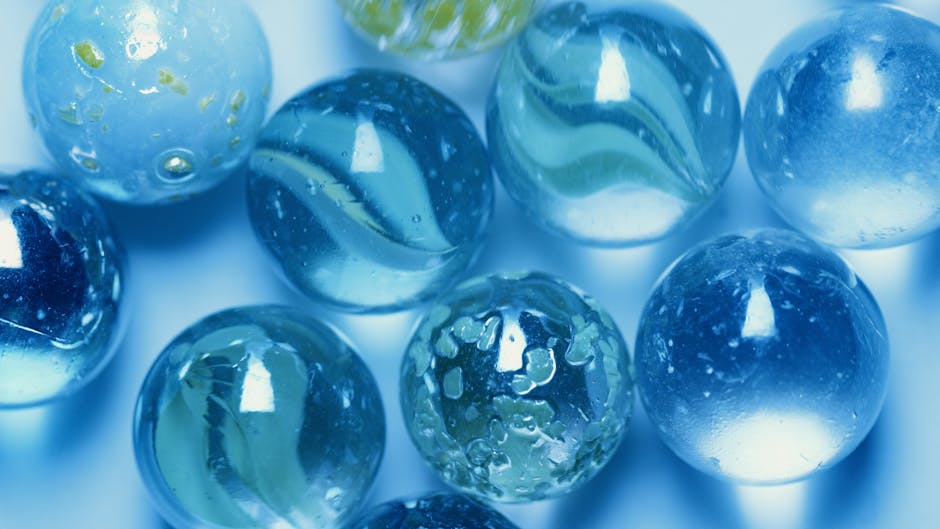
Cat’s eye marbles are machine-made marbles featuring internal colored glass vanes or blades suspended in clear glass, creating appearances somewhat resembling cat eyes when viewed from certain angles. The vanes typically number from two to twelve, arranged symmetrically around the marble’s center.
American manufacturers began producing cat’s eyes in the 1950s as cost-effective alternatives to traditional patterned marbles. The simplified construction required less complex manufacturing than corkscrews, patches, or other earlier types, reducing production costs while creating distinctive appearances.
The name derives from the supposed resemblance to cat eyes, with the colored vanes suggesting the vertical pupil slits of feline eyes. While the resemblance is somewhat loose, the evocative name stuck and remains the standard terminology.
Cat’s eyes dominated marble production from roughly 1955 through 1970s, becoming the marbles most common in toy stores and variety shops during this period. Children growing up in the 1960s and 1970s primarily played with cat’s eyes, creating nostalgic associations for these generations.
Foreign production, particularly from Mexico and later Asia, increasingly supplied American markets with cat’s eyes from the 1960s onward. These imports were even cheaper than American production, eventually driving most domestic manufacturers out of the marble business.
All cat’s eyes are machine-made, showing paired cutoff marks on opposite sides rather than pontil marks. The manufacturing process formed vanes by feeding colored glass rods into clear glass streams, creating the distinctive internal blade patterns.
What Colors Are Most Common in Cat’s Eyes?
Color dramatically affects cat’s eye appeal and collecting value, with certain colors appearing much more frequently than others.
Clear base glass with various colored vanes represents the standard cat’s eye construction. The clear glass allows vane visibility from multiple angles, creating the characteristic appearance. Most cat’s eyes follow this clear-base pattern.
Yellow and orange vanes are among the most common colors, appearing in countless cat’s eyes produced over multiple decades. These warm colors create bright, cheerful appearances that made them popular with children. Common yellow or orange cat’s eyes sell for $0.25-2 typically.
Blue vanes appear frequently as well, from light sky blues to deeper navy shades. Blue cat’s eyes are common but remain collectible for color variety. Expect to pay $0.50-3 for common blue vane examples.
Green vanes show up regularly in various shades from lime to emerald to forest green. Like blues, greens are common but worthwhile for comprehensive color collections. Values run $0.50-3 for standard green vane cat’s eyes.
Red vanes are somewhat less common than yellow, blue, or green, creating modest premiums. Quality red vane cat’s eyes might bring $2-8 depending on shade and overall appearance.
Purple and pink vanes are genuinely less common than the standard color palette. Cat’s eyes with purple or pink vanes can bring $5-20 for attractive examples in good condition, representing the more collectible end of cat’s eye values.
Black or white vanes appear occasionally, creating stark graphic appearances different from typical bright colors. These unusual vane colors can bring $3-15 depending on overall quality.
What Are the Major Cat’s Eye Variations?
Beyond basic colored vanes in clear glass, several cat’s eye variations create collecting interest.
Hybrid cat’s eyes combine cat’s eye vanes with other pattern elements like patches or swirls in the base glass. Rather than clear glass, hybrids might show colored glass combined with vanes. These unusual combinations are scarcer than standard cat’s eyes, bringing $5-25 for interesting examples.
Bumblebee cat’s eyes feature yellow and black vanes creating striped appearances suggesting bumblebees. These distinctive color combinations are popular with collectors seeking themed pieces. Quality bumblebees sell for $3-12 typically.
Superman or superhero cat’s eyes show specific color combinations like red and blue or red and yellow that collectors associate with comic book heroes. While the association is informal rather than officially licensed, these appeal to crossover collectors. Expect $3-15 for recognized superhero color combinations.
Flame cat’s eyes feature red and yellow vanes creating fire-like appearances. The warm color combination creates visual impact that makes flames popular. Standard flame cat’s eyes bring $2-8.
Colored base glass cat’s eyes use tinted rather than clear glass, creating different visual effects. Blue base glass with yellow vanes, green base with red vanes, or other combinations create appearances distinct from standard clear-base types. Colored base examples typically bring $3-15.
Three-color cat’s eyes contain vanes in three different colors rather than the standard single or two-color arrangements. The extra color variety creates more complex appearances. Three-color examples sell for $2-10 typically.
How Does Size Affect Cat’s Eye Values?
Cat’s eyes show less dramatic size variation than handmade marbles but size still influences values somewhat.
Standard sizes cluster around 0.625 inches (5/8 inch), representing typical cat’s eye production dimensions. Most cat’s eyes encountered fall within 0.5625 to 0.6875 inches. Price references assume standard sizes unless otherwise specified.
Larger cat’s eyes approaching or exceeding 0.75 inches are less common than standard sizes, commanding premiums of 150-250% over standard dimensions. A standard cat’s eye worth $2 might bring $3-5 in three-quarter inch size.
Very large cat’s eyes approaching one inch or larger are genuinely scarce in cat’s eye production. These oversized examples can bring 300-500% premiums over standard sizes. A rare color worth $10 in standard size might reach $30-50 in near-one-inch dimensions.
Small cat’s eyes under 0.5625 inches appear occasionally but don’t command significant premiums. Small size values typically run 100-150% of standard sizes—modest compared to premiums for large examples.
The size premiums for cat’s eyes are much smaller percentagewise than for handmade marbles or premium machine-made types. This reflects cat’s eyes’ overall lower value levels and different collector dynamics.
What Are Cat’s Eye Values and Investment Potential?
Cat’s eyes occupy the lower end of marble collecting values with limited investment appreciation potential.
Common cat’s eyes in standard colors sell for $0.25-3, representing minimal monetary value. These pieces serve nostalgic purposes or provide affordable variety for new collectors rather than investment vehicles. Expect no meaningful appreciation for common types.
Better cat’s eyes in unusual colors or patterns bring $3-25, still modest compared to premium marble types. Even rare cat’s eyes rarely exceed $50, and examples bringing over $25 are genuinely scarce.
The investment case for cat’s eyes is weak. Production volumes were enormous during the 1950s-1970s, creating vast surviving quantities. Supply far exceeds serious collector demand for most types. Common cat’s eyes purchased for $1 today will likely still be worth $1 in twenty years.
The exception involves genuinely rare color combinations or unusual variations in exceptional condition. The handful of cat’s eyes worth $25-50 might appreciate modestly over decades, though even these face limited upside.
Cat’s eyes work best as affordable collecting categories where enjoyment matters more than investment returns. Building comprehensive color collections costs $50-200 total, providing variety and completion satisfaction without significant capital commitment.
Who Manufactures Cat’s Eye Marbles?
Several companies produced cat’s eyes during their production peak, though attribution can be challenging.
Vitro Agate Company produced cat’s eyes from the 1950s through modern times, making them among the longest continuous cat’s eye manufacturers. Vitro pieces typically show good quality construction and clear glass. The company operated in Parkersburg, West Virginia and later Ontario, California.
Champion Agate Company, which became part of Gladding-Vitro, produced cat’s eyes in various colors during the 1950s-1960s. Their pieces show characteristic construction details that experienced collectors learn to recognize.
Master Marble Company made cat’s eyes during their later production years before closing. These pieces vary somewhat in quality and color availability.
Numerous foreign manufacturers produced cat’s eyes from the 1960s onward, particularly Mexican and Asian companies. These imports increasingly dominated American markets, often showing slightly different construction characteristics than American production.
Identifying specific manufacturers for individual cat’s eyes is often difficult or impossible without documented provenance. Unlike earlier American manufacturers whose products show distinctive patterns, cat’s eyes from different makers can appear very similar. Attribution often remains uncertain for individual pieces.
The manufacturing ambiguity matters less for cat’s eyes than premium types because manufacturer identification influences values minimally. A cat’s eye’s color and condition matter more than confirmed maker attribution for most collecting purposes.
How Should I Start a Cat’s Eye Collection?
Cat’s eye collecting offers accessible entry points and clear completion goals.
Begin by acquiring common colors in standard sizes to learn cat’s eye characteristics. Purchase yellow, blue, green, and red vane examples for $5-15 total, providing diverse color exposure.
Decide on a collecting focus matching your interests and budget. Some collectors pursue comprehensive color coverage, others focus on unusual variations like hybrids or colored bases, and still others seek large sizes.
Rainbow collections showing all available colors create colorful, visually appealing displays. Arranging cat’s eyes by color in display cases or containers showcases color variety attractively.
Quantity collectors sometimes accumulate hundreds or thousands of cat’s eyes, sorting by color and pattern into organized collections. The low cost per marble allows building impressive quantities on modest budgets.
Quality collectors focus on the finest examples of each type, seeking mint condition pieces in the most attractive colors. This approach costs more per marble but creates premium collections in limited quantities.
Theme collectors pursue specific patterns like all bumblebees, all superhero colors, or all three-color combinations. Focused themes create clear collecting goals while limiting scope to manageable sizes.
Where Can I Find Cat’s Eye Marbles?
Cat’s eyes’ commonness means they’re readily available from multiple sources at minimal costs.
Thrift stores, garage sales, and estate sales regularly feature cat’s eyes in toy lots or mixed marble collections. These venues offer the cheapest acquisition costs, often providing dozens of cat’s eyes for a few dollars.
Online marketplaces including eBay list cat’s eyes constantly in both individual marbles and large lots. Buying bulk lots provides variety at minimal per-marble costs. Expect to pay $10-30 for lots of 50-100 common cat’s eyes.
Antique malls and vintage toy dealers occasionally stock cat’s eyes, though prices might exceed thrift store levels. These sources work well for finding specific colors or better condition examples.
Marble shows include cat’s eye vendors, though these represent a small fraction of show inventory given cat’s eyes’ lower values. Shows provide opportunities to examine numerous examples and find unusual variations.
Toy and hobby shops occasionally stock modern cat’s eyes, as some manufacturers continue production. New cat’s eyes work fine for play or inexpensive collecting though they lack vintage appeal.
What Condition Issues Affect Cat’s Eyes?
Condition assessment for cat’s eyes follows standard marble grading principles.
Chips and surface damage reduce values proportionally to damage extent. However, given cat’s eyes’ low base values, condition impact matters less in absolute dollar terms than for expensive marbles. A damaged $1 cat’s eye might be worth $0.25—meaningful percentagewise but minimal in actual dollars.
Surface wear from play appears commonly on cat’s eyes actually used by children. Well-played examples show dulling and minor roughness that reduces eye appeal. Mint examples that never saw play or came from unopened packages maintain original glossy surfaces.
The vanes themselves sometimes show manufacturing flaws including bubbles, incomplete formation, or uneven distribution. While these are manufacturing characteristics rather than damage, they affect desirability. Clean, well-formed vanes create more attractive marbles than flawed examples.
Cloudiness or haziness occasionally develops in cat’s eye clear glass, though this is less common than in some earlier marble types. Clear examples display better than cloudy pieces.
Given cat’s eyes’ minimal individual values, most collectors don’t invest heavily in condition assessment. Common cat’s eyes in good playable condition suffice for most collecting purposes. Condition becomes more important only for rare colors or variations worth $10+.
How Do Cat’s Eyes Compare to Earlier Marbles?
Understanding cat’s eyes’ place in marble history provides context for their collecting role.
Cat’s eyes represent simplified, cost-reduced production compared to earlier patterned machine-made marbles. Corkscrews, patches, and flames required more complex manufacturing than basic cat’s eye vane insertion. This simplification reduced costs but also reduced pattern variety and visual interest.
The transition to cat’s eye dominance marked the marble industry’s shift from semi-premium products to pure commodity production. Earlier manufacturers competed on pattern creativity and quality. Cat’s eye manufacturers competed primarily on cost, driving prices down to minimal levels.
Collectibility differs dramatically between cat’s eyes and earlier types. Premium machine-made marbles from the 1920s-1940s command serious collector interest and substantial values. Cat’s eyes appeal primarily to nostalgic collectors or those seeking affordable variety rather than serious investment collectors.
The cultural significance varies as well. Earlier marbles represent American manufacturing creativity during marble playing’s cultural peak. Cat’s eyes represent the industry’s decline into commodity production during marble playing’s cultural fade.
Despite lower values and status, cat’s eyes deserve recognition as authentic vintage toys from specific historical periods. They’re genuine artifacts of 1950s-1970s American childhood, making them legitimate collecting categories even if not investment vehicles.
What Future Does Cat’s Eye Collecting Have?
Cat’s eye collecting prospects depend on nostalgia markets and new collector generation preferences.
Collectors who grew up playing with cat’s eyes in the 1960s-1970s form the current core cat’s eye collecting market. As this generation ages, nostalgia drives modest demand for pieces connecting them to childhood memories.
Younger collectors show less interest in cat’s eyes, having no personal history with these marbles. Whether future generations develop cat’s eye interest remains uncertain. Nostalgia-driven collecting depends on personal childhood connections that younger people lack for cat’s eyes.
Values will likely remain stable at current low levels rather than appreciating or declining dramatically. The enormous surviving quantities prevent scarcity-driven value increases while nostalgia maintains minimal baseline demand.
Rare color combinations and unusual variations should maintain small premiums over common types. The relative scarcity of purple, pink, or unusual hybrid cat’s eyes creates modest collecting interest that should persist.
Cat’s eye marbles represent accessible, affordable collecting categories perfect for nostalgia-driven enthusiasts, budget-conscious collectors, or those seeking variety without investment focus. While they’ll never command the values or prestige of premium antique marbles, cat’s eyes serve legitimate roles in comprehensive marble collecting and provide connections to recent American childhood history.
Shopping Basket