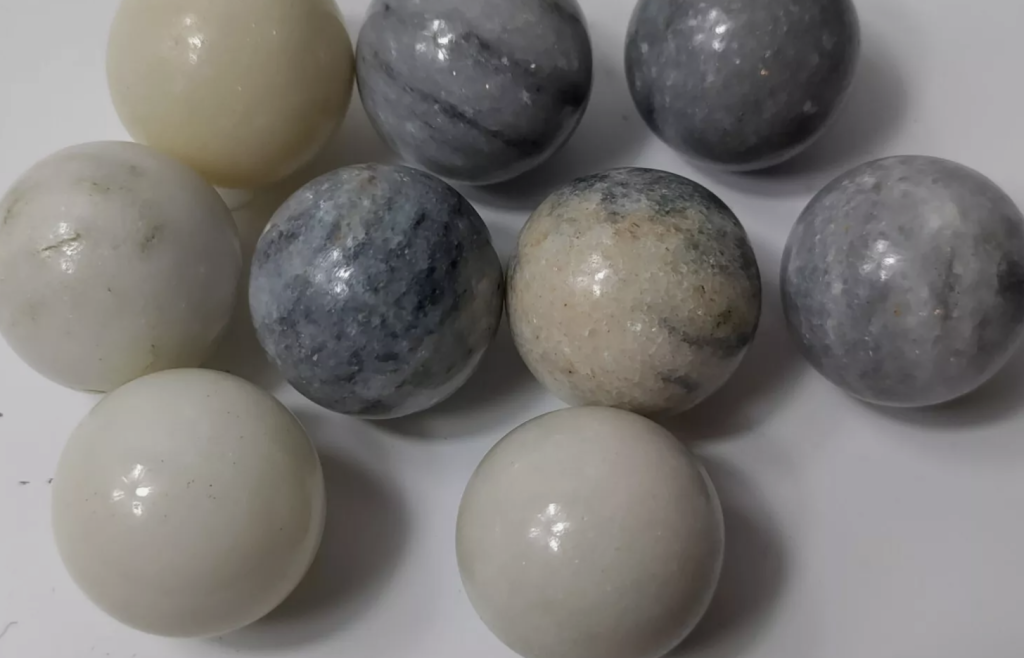
Chinese Marbles: Modern vs Antique Identification Guide
Why Chinese Marbles Confuse Collectors
Chinese marbles occupy an awkward space in collecting. Modern Chinese studio marbles are often dismissed as decorative, while genuine early Chinese glass marbles are poorly documented and frequently overlooked. UK collectors must separate artistic value from historical value.
Early Chinese Glass Production
China has a long glassmaking history, but marble‑scale production was limited before the late 20th century. Genuine antique Chinese marbles are rare and usually linked to:
Export novelty goods
Small‑scale regional production
Documentation is scarce, making provenance essential.
Modern Chinese Studio Marbles
From the 1990s onward, Chinese studios produced large quantities of decorative art marbles using:
Lampworking
Controlled furnace techniques
Metallic and glitter inclusions
These are not antique, but some have strong aesthetic and secondary‑market value.
How to Differentiate Antique vs Modern
Surface and Symmetry
Modern marbles are often:
Perfectly round
Highly polished
Older examples show:
Minor asymmetry
Tool marks
Internal Structure
Modern marbles frequently use:
Uniform glitter
Controlled colour placement
Antique glass shows randomness.
UV Light Response
Modern binders and glass often fluoresce uniformly. Antique glass tends to react inconsistently.
UK Market Values
Modern decorative marbles: £10–£60
Studio‑signed examples: £100–£300
Verified early Chinese marbles: £500+ (rare)
Risks for UK Collectors
Mislabelled listings
Artificial ageing
Confusion between art and antique categories
Collecting Strategy
UK collectors should:
Buy modern Chinese marbles for aesthetics, not history
Demand provenance for antique claims
Avoid inflated “ancient” descriptions
Chinese marbles deserve clearer categorisation. UK collectors who separate modern studio art from genuine historical examples avoid disappointment and make smarter acquisitions.