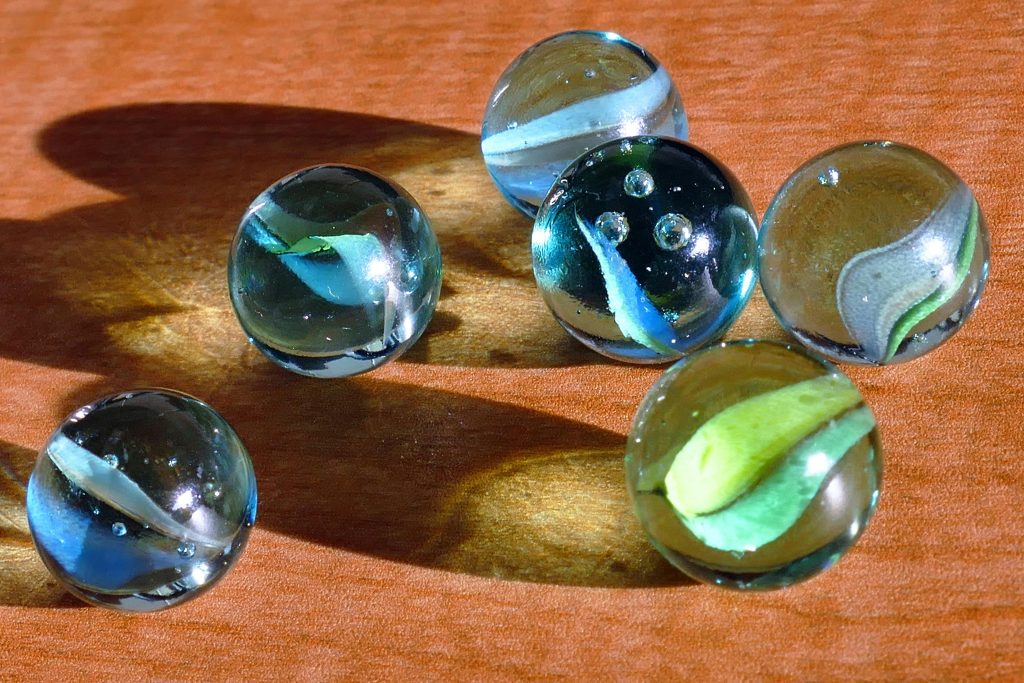

Japanese Glass Marbles: Discover the Stunning Charm of Vintage Biidama
Japanese glass marbles, known as “Biidama” in Japan, are more than just playful objects for children’s games; they represent a fascinating blend of historical artistry and cultural charm. These captivating marbles have a rich history that is intertwined with Japan’s journey from feudal times to the modern era. This article delves into the allure of vintage Biidama, exploring their origins, cultural significance, and the reasons why they remain sought after by collectors and enthusiasts alike.
The Enchanting Origins of Biidama
Japanese glass marbles, or Biidama, first began captivating the imagination of people in Japan during the Meiji period (1868-1912). This was a time of great change, as Japan opened its doors to Western influences after centuries of isolation. As Western glass-making techniques were introduced, local artisans began crafting marbles, adding their own unique style and creativity.
The earliest marbles were typically hand-blown; each piece was a meticulous work of art. The process involved heating glass to a molten state and molding it into perfectly rounded spheres, sometimes embedding vibrant colors or intricate patterns within the clear glass. These marbles were not only used as toys but were also collected as treasures, appreciated for their exquisite craftsmanship.
A Historical Overview of Marble Games in Japan
While Japanese glass marbles might have become popular during the Meiji period, the concept of marble games has been part of global cultures for millennia. Roman and Indian societies had their versions of marbles made from stones or clay. However, Japan’s embrace of glass marbles brought a newfound elegance to these childhood games, turning them into cultural artifacts.
Historically, Japanese children would play several games with marbles, each with its rules and strategies. “Menko,” a traditional game similar to marbles, involves flipping over cards or small objects using skill and strategy. Such games became an essential part of childhood, reflecting the community-focused spirit of Japan.
The Intricacies of Vintage Biidama Craftsmanship
Vintage Biidama pieces are celebrated for their artistic complexity and the skill required to create them. Each marble reflects the unique flair of its creator, often showcasing vibrant colors, delicate internal designs, or even miniature imbedded figures. Master artisans would use specific techniques to manipulate the glass, leading to a variety of textures and patterns that made each marble distinct.
A popular technique in early Biidama-making was the use of colored glass rods, which artisans would skillfully embed into clear glass. This method allowed for the creation of stunning swirls and intricate patterns reminiscent of abstract art. Moreover, some marbles were made with layers of glass, creating a three-dimensional effect that captivates the beholder’s gaze.
Cultural Significance and Symbolism
Japanese glass marbles hold a deeper meaning beyond their aesthetic appeal. In Japanese culture, marbles symbolize unity and community, teaching children crucial lessons about cooperation and friendly competition. They also represent imagination and creativity, inspiring generations to view the world through a lens of endless possibility.
Moreover, marbles have been linked to concepts of luck and fortune. In various Japanese festivals, games involving marbles act as omens or predictors of fate. This cultural symbolism adds an extra layer of fascination for collectors and hobbyists who view Biidama as much more than simple glass spheres.
Why Collectors Love Vintage Biidama
Collectors worldwide are drawn to vintage Biidama not only for their beauty but also for the stories each piece holds. Every marble is a snapshot of history, capturing the era, location, and style from which it originated. The pursuit of these marbles is often likened to a treasure hunt, as enthusiasts scour antique shops, online auctions, and flea markets in search of rare finds.
The rarity and condition of a marble can significantly affect its value. Marbles with unique designs or patterns, especially those from renowned artisans, can fetch high prices at auctions. Collectors also cherish the opportunity to own a piece of history that exemplifies the skill and creativity of past Japanese artisans.
How to Care for Your Collection
If you are fortunate enough to own a collection of vintage Biidama, proper care is essential to maintain their beauty and integrity. Marbles should be stored in a cool, dry place to prevent damage from moisture and temperature fluctuations. Displaying them in a glass case can not only protect them but also showcase their visual appeal.
Cleaning should be done gently, using a soft cloth dampened with water or a mild cleaning solution. Harsh chemicals and abrasive materials should be avoided, as they can damage the delicate surface of the glass. With proper care, your collection can continue to delight and intrigue for generations to come.
The Future of Biidama in a Modern World
Despite the passage of time, the charm of Japanese glass marbles persists in contemporary culture. They continue to inspire modern artisans who recreate traditional techniques, while some experiment with new designs and technology. The enduring appeal of Biidama highlights a broader cultural narrative—respect for tradition even as society evolves and adopts modern practices.
Combining tradition with innovation, many artists and designers integrate Biidama into jewelry, home decor, and modern art pieces. This fusion keeps the spirit of these marbles alive, ensuring they are cherished by new generations.
Conclusion
The journey of Japanese glass marbles is a fascinating tale of artistry, cultural significance, and timeless beauty. Vintage Biidama offer us a window into the past, showcasing the creativity and skill of Japanese artisans across the ages. For collectors and enthusiasts, these marbles are cherished not only for their aesthetic appeal but also for the depth of history and meaning they carry. As the world becomes increasingly modernized, the stunning charm of these vintage spheres remains, a testament to the enduring allure of tradition and craftsmanship.