
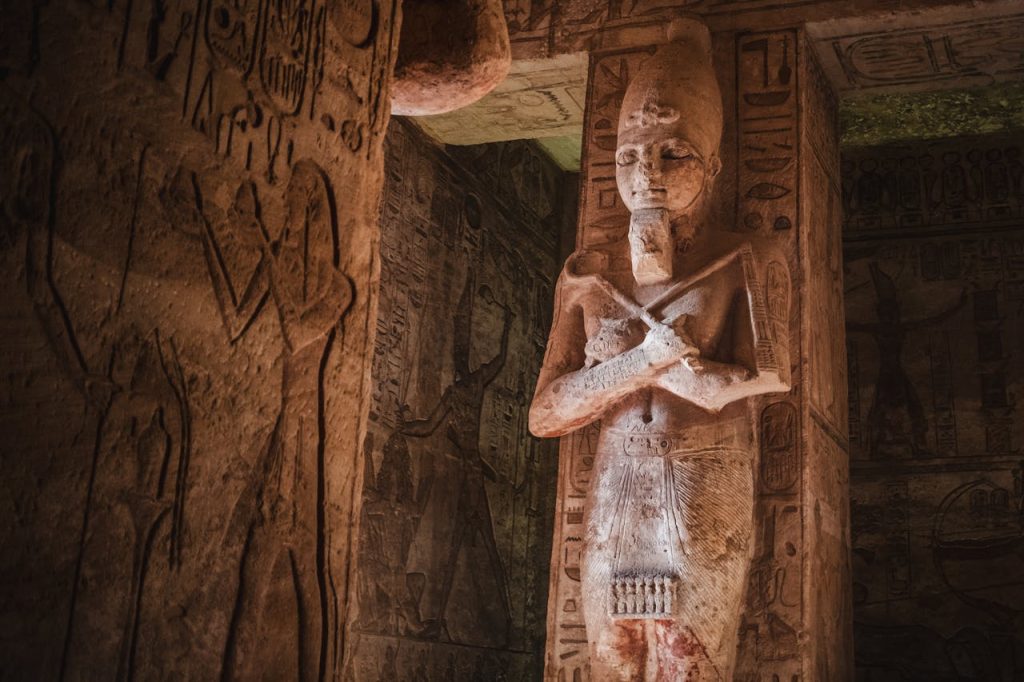
Early Egyptian Gaming Stones: Discover Their Stunning Ancient Legacy
Early Egyptian gaming stones are a fascinating glimpse into the innovative play and pastime within ancient Egyptian culture. These artifacts, with their beautifully crafted shapes and engravings, tell stories of leisure, strategy, and social interaction in a civilization that thrived thousands of years ago along the verdant banks of the Nile. For enthusiasts of history and archaeology, these gaming stones shed light on how the ancients spent their leisure time, showcasing their intellect, creativity, and social habits.
The Evolution of Ancient Games
The early Egyptians, known for their impressive achievements in architecture, art, and writing, also excelled in creating intricate games that captivated players of all ages. These games often involved stones or pieces, laying the groundwork for some of the strategic concepts found in modern board games. The development of these early games is indicative of the high value placed on ingenuity and social interaction in Egyptian society.
The Cultural Significance of Egyptian Gaming
In ancient Egypt, games were not merely for entertainment. They were deeply embedded in the cultural and religious fabric of the society. The act of playing these games often had spiritual connotations, sometimes associated with persevering in the afterlife or symbolizing the cosmic struggle between good and evil. Such games were found buried in tombs, suggesting they were intended to provide companionship and joy in the afterlife. This belief highlights the integral role of gaming stones in the daily and spiritual lives of the ancient Egyptians.
The Popularity of Senet in Egyptian Society
One of the most famous games in ancient Egypt is Senet, a strategy board game that dates back to around 3100 BC. It is considered one of the earliest known board games in the world and was immensely popular across all social classes. Senet boards have been found in the tombs of pharaohs and commoners alike, demonstrating its widespread appeal.
Understanding the Mechanics of Senet
The details of the game’s rules have been pieced together from various archaeological finds and hieroglyphs, yet they remain largely speculative. It is believed that the game involves a board of 30 squares arranged in three rows of ten. Players moved their gaming stones according to the roll of sticks or knucklebones, aiming to navigate their pieces off the board while catching and blocking their opponent’s pieces. The ambiguity of the exact rules adds to the mystique of Senet, sparking modern-day interest and reinterpretation.
The Artistic Craftsmanship of Gaming Stones
The gaming stones themselves are works of art, showcasing the Egyptians’ skills in craftsmanship and aesthetics. These stones, made from various materials such as limestone, bone, and faience, often featured elaborate decorations and inscriptions, reflecting the artistic sensibilities and technological capabilities of the period.
Materials and Techniques Used in Crafting
Early Egyptian artisans employed an array of techniques to create these gaming stones, each material chosen for its symbolic or functional value. Limestone, a readily available resource, was commonly used for its ease of carving and durability. Faience, a glazed non-clay ceramic material, provided vibrant color and was associated with rebirth and immortality. The crafting of these gaming stones was often a meticulous process, involving precise carving, smoothing, and painting to achieve the desired effect. This attention to detail highlights the esteem with which games and their associated paraphernalia were held.
The Role of Gaming in Social Dynamics
Games in ancient Egypt are believed to have played a significant role in social interaction and hierarchy. They served as a means of leisure among the elite, a competitive pastime among rivals, and a pedagogical tool in the education of children. By engaging in games, individuals were able to hone strategic thinking and problem-solving skills, valuable traits in navigating social and political landscapes.
Game as a Microcosm of Egyptian Life
Participating in these games offered a microcosm of greater Egyptian society, reflecting its values, hierarchies, and beliefs. For example, the act of strategizing in games like Senet could mirror the planning required in real-life endeavors, whether in governance, warfare, or daily negotiations. This intersection of gaming and life underscores the importance of such pastimes in reinforcing societal norms and behaviors.
Rediscovering Ancient Egyptian Games Today
Today, the study of early Egyptian gaming stones provides valuable insight into ancient Egypt’s social and cultural milieu. Archaeologists and historians continue to uncover new details about these games, piecing together fragments of inscriptions and creating reconstructions based on archaeological evidence. This ongoing research not only enriches our understanding of the ancients but also inspires modern reinterpretations and recreations of these ancient games.
The Revival and Influence on Modern Gaming
The legacy of early Egyptian gaming stones is evident in their influence on modern board games and educational tools. Museums often feature these artifacts in exhibits, providing visitors with a tactile connection to history. Moreover, game designers draw inspiration from these ancient pastimes, incorporating historical dynamics into contemporary gameplay. Through these efforts, the essence of ancient Egyptian gaming lives on, continuing to captivate and educate people across the globe.
Conclusion: The Enduring Legacy of Egyptian Gaming Stones
The legacy of early Egyptian gaming stones is a testament to the ingenuity and creativity of ancient Egyptian society. Far more than mere relics, these stones embody the complexity and depth of a civilization that valued both the arts of leisure and the intricacies of strategy. As we continue to unearth and study these pieces, we gain not only a greater understanding of ancient Egypt but also insight into the timeless nature of games and their ability to connect cultures and generations. Indelibly linking past and present, these gaming stones remind us of the universal human penchant for play, strategy, and community. Through them, the rich, vibrant world of ancient Egypt continues to inspire and educate, urging us to look back and learn from one of history’s greatest civilizations.