
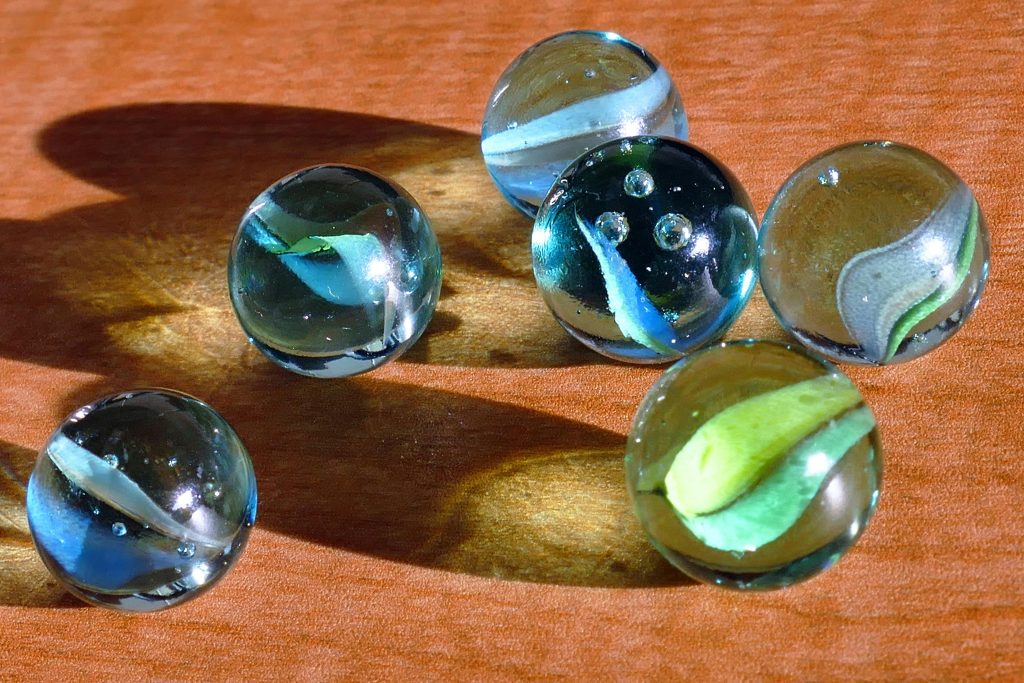
While online platforms have made marble collecting more accessible, there is an irreplaceable thrill in finding rare and valuable marbles in person. The tactile experience, ability to inspect marbles firsthand, and the social interaction with other collectors make real-world sourcing both enjoyable and rewarding. From antique shops and estate sales to conventions and specialized marble shows, collectors have numerous avenues to discover unique and historic pieces. This guide explores the best real-world places to find valuable marbles and offers strategies for identifying, negotiating, and preserving them.
1. Antique Shops and Vintage Stores
Antique shops are classic destinations for collectors seeking vintage handmade or early machine-made marbles.
Why They’re Valuable
- Antique shops often curate collections of glassware, toys, and collectibles, including marbles.
- Experienced dealers can provide insight into a marble’s history, manufacturer, or era.
- Shops may stock marbles with provenance, offering more credibility than random finds.
Tips for Collectors
- Ask Questions: Inquire about the origin, age, and condition of marbles. Dealers may know if pieces are handmade, machine-made, or reproductions.
- Inspect Carefully: Look for pontil marks, air bubbles, or distinctive patterns like cat’s eyes, swirls, or mica inclusions.
- Build Relationships: Regular visits and friendly rapport with shop owners can lead to early notifications of new arrivals.
- Negotiate Thoughtfully: Antique dealers often expect some bargaining; know the marble’s approximate value from guides or past auctions.
2. Estate Sales and Auctions
Estate sales and local auctions are treasure troves for collectors, often featuring forgotten collections and vintage toys.
Why They’re Valuable
- Estate sales can offer authentic vintage marbles, sometimes in bulk.
- Auctions, especially those conducted by experienced houses, often provide verified historical information and condition notes.
- You may find rare or one-of-a-kind pieces that have never been publicly sold.
Tips for Estate Sales
- Arrive Early: The best marbles often sell quickly.
- Inspect Thoroughly: Examine the marble closely for authenticity and condition. Estate sellers may not have precise knowledge, so the collector’s eye is crucial.
- Bring Tools: A magnifying glass or loupe helps identify subtle features like mica inclusions or pontil marks.
Tips for Auctions
- Pre-Register: Some auctions require registration to bid, whether online or in person.
- Research Lots in Advance: Many auction houses post lot details and images online ahead of the sale.
- Set a Budget: Avoid overbidding in the heat of competition. Stick to values determined by reference guides or past auction results.
3. Flea Markets and Swap Meets
Flea markets are excellent for finding bargains, rare discoveries, and obscure marbles.
Why They’re Valuable
- Vendors may sell individual pieces, small collections, or bulk lots of vintage marbles.
- Prices are often lower than antique shops, providing opportunities for early or bargain buys.
- Unique or regional marbles that never made it to mainstream markets sometimes appear here.
Tips for Flea Markets
- Inspect Before Buying: Examine marbles under good light. Look for swirl patterns, cat’s eye rods, or sulphide figures.
- Ask About Provenance: Even casual sellers may know where the marbles came from, which can help verify authenticity.
- Negotiate: Flea market prices are often flexible; politely offer a lower price for bulk purchases or individual pieces.
- Frequent Visits: Inventory changes rapidly; frequent trips increase your chance of discovering rare pieces.
4. Marble Shows and Collector Conventions
Specialized marble shows and toy conventions provide a concentrated environment for serious collectors.
Why They’re Valuable
- Shows often attract experienced dealers and collectors with curated, high-quality inventories.
- Rare and vintage marbles, including hand-blown, machine-made, and novelty pieces, are showcased.
- Networking opportunities allow knowledge sharing and trading with experts.
Tips for Marble Shows
- Research the Event: Some conventions focus on antique marbles, while others include modern collectibles. Know the target audience.
- Bring Reference Materials: Books or printed guides help quickly identify marbles and spot rare finds.
- Inspect Personally: Handle marbles carefully to check for wear, bubbles, or imperfections indicative of age and authenticity.
- Engage With Dealers: Ask about provenance, manufacturer, and historical context.
- Trade Strategically: Many shows allow swaps or trades between collectors, which can enhance your collection cost-effectively.
5. Toy Stores Specializing in Collectibles
Certain brick-and-mortar toy stores specialize in vintage or specialty collectibles.
Why They’re Valuable
- Stores with a focus on collectible toys often stock new and old marbles, sometimes including high-quality reproductions.
- Some shops carry marbles by manufacturer or style, aligning with themed collections.
Tips for Collectors
- Verify Vintage Claims: Some stores may market reproductions as vintage; inspect carefully or consult guides.
- Ask About New Arrivals: Stores often receive shipments of collectible items and can notify regular customers.
6. Networking with Other Collectors
Personal connections are often the best source of rare or valuable marbles.
Why They’re Valuable
- Experienced collectors may offer trades, private sales, or insider information.
- Networking provides access to collections not publicly available.
Tips
- Join Collector Clubs: Local or national marble clubs often host meetups, shows, and swap events.
- Attend Community Events: Flea markets, antique fairs, and toy conventions often have meetups where collectors connect.
- Participate in Social Media Groups: Facebook, Discord, and Reddit have active collector communities for trading and advice.
7. Tips for Successful Real-World Marble Hunting
- Bring Inspection Tools: A magnifying glass or portable loupe is essential for examining details like pontil marks or embedded sulphide figures.
- Educate Yourself: Study marble types, manufacturers, and eras using guides and reference books.
- Check Condition Carefully: Chips, cracks, or clouding affect value. Prioritize well-preserved examples.
- Set a Budget: Rare marbles can be expensive; know your limits before purchasing.
- Take Notes and Photos: Document marbles immediately after purchase for future reference and cataloging.
- Be Patient: Valuable finds often require repeated visits and persistence.
8. Benefits of Real-World Marble Collecting
- Hands-On Experience: You can physically inspect marbles, assessing color, weight, and texture in ways photos cannot capture.
- Authenticity Verification: Handling a marble allows better detection of subtle signs of age, craftsmanship, and quality.
- Community Engagement: Real-world interactions provide advice, education, and trade opportunities.
- Surprise Discoveries: Hidden treasures are more likely in estate sales, flea markets, or private collections than in curated online listings.
9. Challenges of Real-World Collecting
- Time Investment: Visiting multiple shops, shows, or sales requires planning and effort.
- Limited Inventory: Rare marbles may be scarce locally compared to online marketplaces.
- Pricing Variability: Prices at small shops or sales may be inconsistent, requiring negotiation skills.
- Transportation Risks: High-value marbles require careful handling to prevent damage during transport.
10. Conclusion
Real-world marble collecting offers an unmatched experience that complements online sourcing. Antique shops, estate sales, flea markets, conventions, and specialty toy stores all provide opportunities to discover valuable, rare, and historically significant marbles. Success depends on a combination of knowledge, patience, and networking. By carefully inspecting marbles, verifying authenticity, and building relationships with dealers and collectors, enthusiasts can acquire pieces that enrich their collections and preserve the artistry and history of antique marbles.
Whether seeking early handmade examples, machine-made classics, or novelty designs, real-world venues allow collectors to engage with marbles in ways that photographs and online descriptions cannot replicate, making the search as enjoyable as the acquisition.