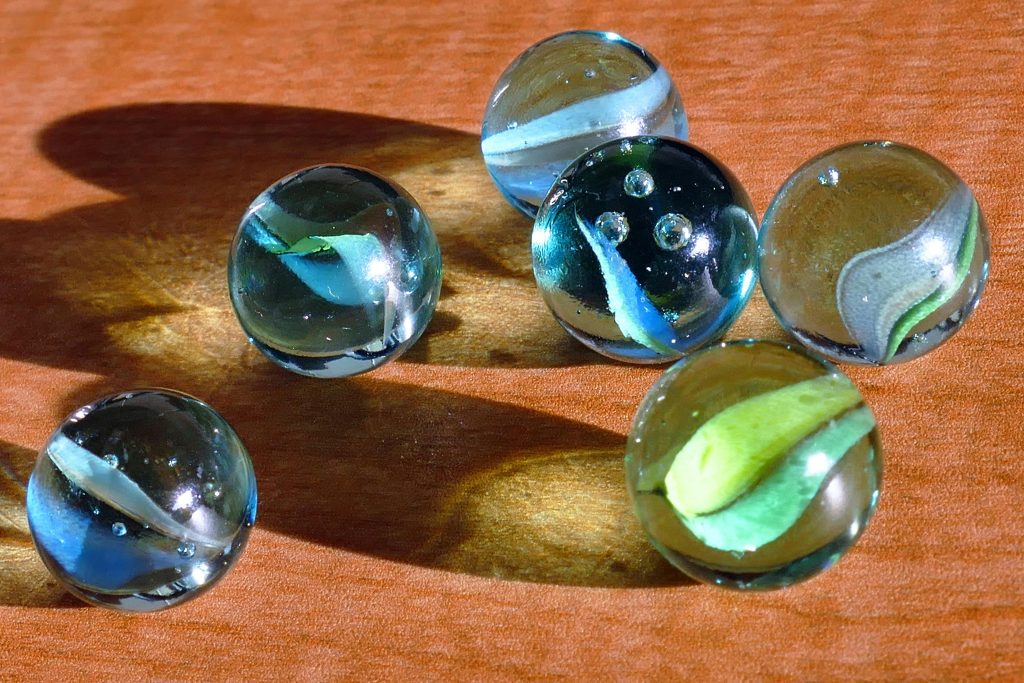

Antique and rare marbles, those captivating glass orbs that once rolled across playgrounds, now command impressive prices in the collectibles market. From 19th-century handmade German swirls embedded with goldstone or sulphide figures to early 20th-century machine-made beauties by American firms like Akro Agate and Christensen Agate, these items embody artistry, history, and nostalgia. Valuable marbles can fetch anywhere from $50 for a common near-mint example to over $10,000 for ultra-rare specimens in pristine condition. Factors like type, size, color complexity, and provenance elevate their worth, but finding them requires knowing the right sources. Whether you’re a novice collector or seasoned enthusiast, this guide explores prime locations—both online and offline—to hunt for these treasures, drawing from established auction houses, websites, communities, and physical venues. With the market evolving through digital platforms, opportunities abound, but diligence in authentication is key to securing genuine valuables.
Online auctions stand out as premier destinations for discovering valuable antique marbles, offering global access and competitive bidding. Specialized sites like Block’s Marble Auctions have been pivotal since 1989, hosting dedicated sales with hundreds of thousands of marbles sold over the years. This platform caters to all levels, from budget-friendly commons to high-end rarities, and provides educational catalogs that detail grading and identification. Collectors can register to bid on upcoming lots, which often include detailed photos and condition reports. For instance, a rare Lutz marble with copper flecks might appear here, potentially selling for $500 or more if in mint condition. Block’s emphasizes proper identification and grading, making it a trusted spot for serious buyers. Similarly, LiveAuctioneers aggregates marble auctions from various houses worldwide, featuring diverse materials and eras. Their platform allows browsing by category, with real-time bidding on heirloom-worthy pieces like vintage sulphide marbles embedding clay animals or figures.
eBay remains a powerhouse for rare marbles, with a dedicated section boasting thousands of listings under “Rare Marbles.” Options include auctions for competitive pricing and “Buy It Now” for immediate purchases, often with free shipping on select items. Sellers range from individual collectors to dealers, offering everything from single antique swirls to bulk lots. A search might yield a Christensen Agate guinea with stretched flecks for around $100, or rarer Peltier National Line Rainbos exceeding $200. eBay’s buyer protection adds security, but always check seller ratings and request magnification photos to assess chips or flakes. Other general auction sites like Britannica Auctions occasionally feature marbles in their collectibles sales, blending them with antiques like pens or stereoviewers. These platforms often host quarterly events, providing alerts for upcoming lots.
Beyond auctions, specialized online retailers and collector websites offer curated selections of valuable marbles. OldRareMarbles.com, operated by seasoned collectors Jeff and Tammy Baker, focuses on high-quality, rare finds with a money-back guarantee. Their inventory updates frequently, featuring mint-condition pieces graded on a 1-10 scale, such as a 19/32-inch swirl at $320 or smaller mint-minus examples for $10. The site educates newcomers with grading info and emphasizes authenticity, drawing from the Bakers’ 39 years in the hobby. They also founded early marble shows, adding credibility. MarbleCollecting.com, run by expert Alan Basinet, serves as a comprehensive resource with an eBay store link for direct purchases. Here, you can buy books on marble identification alongside actual marbles, and even consign your own for sale. The site includes auction catalogs with realized prices, helping gauge market values.
Social media and online communities provide dynamic, community-driven avenues for sourcing rares. Facebook groups like “VINTAGE MARBLES BUY SELL AND TRADE” boast thousands of members sharing listings, trades, and advice. Posts often highlight collections exceeding 25,000 pieces, with links to external auctions. It’s ideal for networking—members might tip you off to private sales or estate finds. Reddit’s r/Marbles subreddit reviews platforms, praising Block’s as a “hidden gem” for rare items. Discussions there cover sourcing strategies, from online deals to show hauls, fostering a supportive environment for trades. Collectors Weekly, while more informational, links to auctions and educates on German handmade versus American machine-made, aiding informed buys.
For those preferring tangible hunts, physical locations yield serendipitous discoveries. Antique shops and malls, scattered across regions like New England’s Brimfield or California’s Rose Bowl, often stock marbles in glass cases or jars. Dealers specializing in toys or glassware might have undervalued gems—perhaps a forgotten bag of Akro corkscrews for $20 that includes a rare variant worth $200. Estate sales and garage sales are goldmines, especially in older neighborhoods where attics hide childhood collections. Websites like EstateSales.net list upcoming events; scan descriptions for “toys” or “marbles.” Dug marbles—excavated from old dump sites—emerge here, bearing authentic patina but requiring cleaning to reveal value.
Marble shows and conventions offer immersive experiences, combining buying with education. The International Association of Marble Collectors (IAMC) hosts annual events like the Seattle Show, evolved from early Pacific Northwest gatherings. These feature dealer tables brimming with rares, appraisals, and tournaments. Attendees trade, buy, or sell directly, often snagging deals on sulphides or Lutz not listed online. Regional shows, listed on MarbleCollecting.com’s calendar, occur in places like Amana Colonies or Las Vegas, drawing global collectors. Flea markets and swap meets, such as those in Texas or Florida, occasionally surprise with vendor stalls dedicated to vintage toys, where bargaining can secure bargains.
Thrift stores and pawn shops provide budget options, though rares are scarcer. Chains like Goodwill might have mixed lots for pennies, potentially hiding a valuable onion skin or end-of-day marble. Pawn shops in historic towns sometimes receive inherited collections, undervalued due to lack of expertise.
To maximize finds, employ smart strategies. Research types—handmade (pre-1910) versus machine-made (post-1910)—using books like “Collecting Antique Marbles” by Paul Baumann. Authenticate via UV light for fluorescence in certain glasses, or consult polishers listed on collector sites for repairs. Join clubs for insider tips; IAMC memberships offer newsletters with sale alerts. Beware fakes—modern reproductions mimic antiques but lack wear patterns. Use apps like eBay’s for price comparisons, and always factor shipping for online buys.
In a digital age, blending online and offline sources broadens horizons. Platforms evolve, with emerging marketplaces potentially rivaling eBay by 2026. Yet, the thrill lies in the hunt—unearthing a $1,000 sulphide at a flea market or outbidding on a Block’s lot. Valuable antique marbles await those who explore these venues with knowledge and patience, turning collecting into a rewarding adventure.