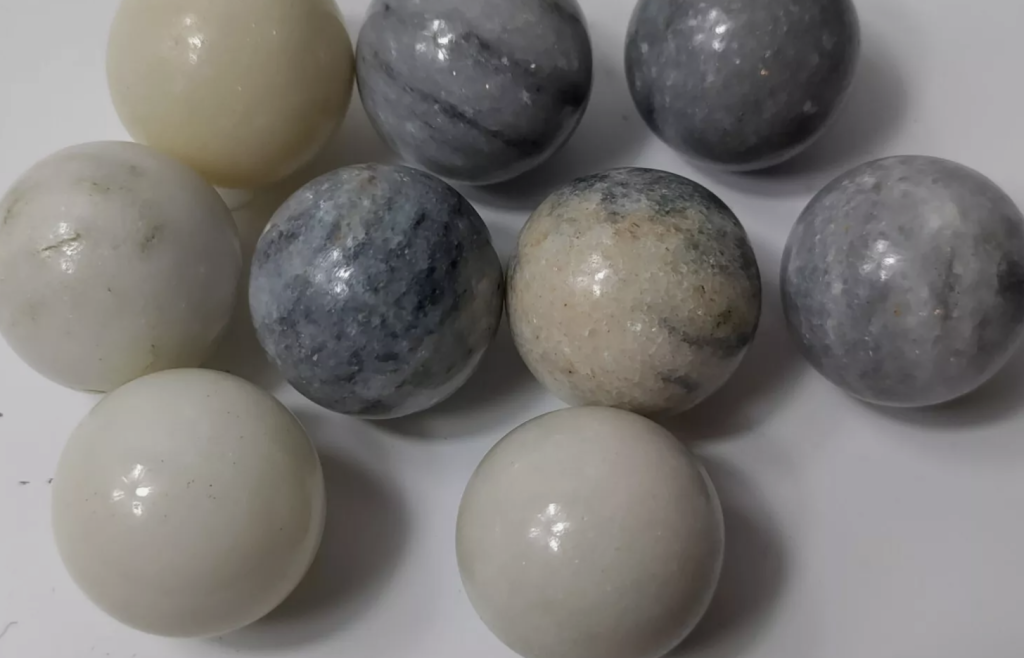
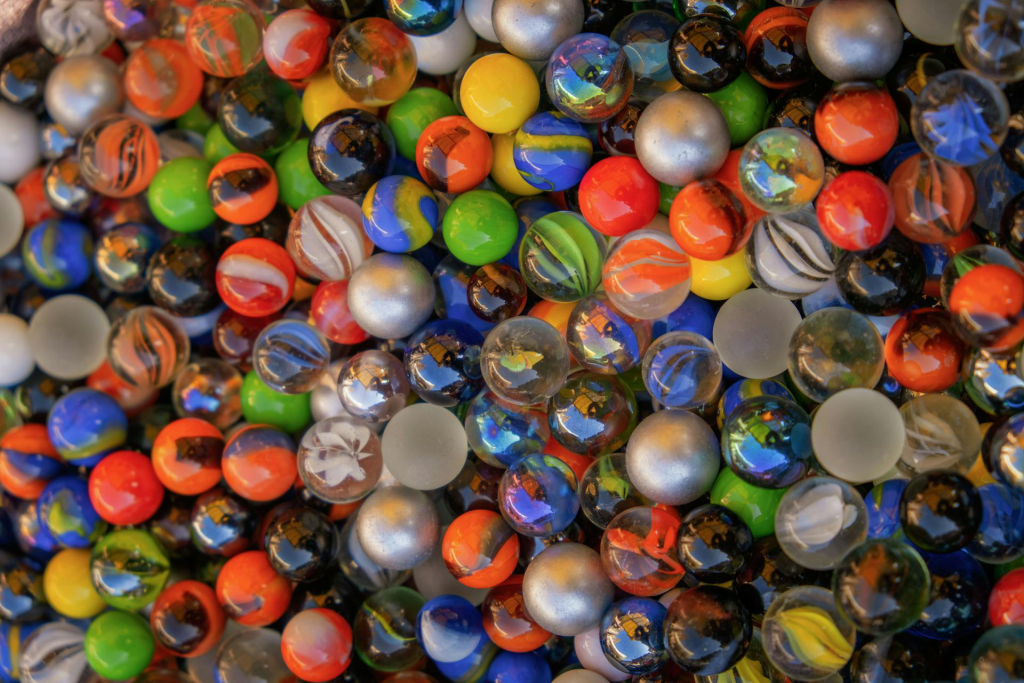
Marble collecting is a rewarding hobby, but identifying antique, vintage, and specialty marbles can be challenging. Differences in manufacturers, eras, patterns, and materials make accurate identification tricky, especially for rare pieces. Fortunately, a combination of personal observation, reference materials, online resources, and expert advice can help collectors accurately classify their marbles. This guide outlines how to get help, whether you’re a beginner or an advanced collector.
1. Learn the Basics First
Before seeking external help, familiarize yourself with the fundamentals of marble types and patterns. Understanding basic categories allows you to ask better questions and interpret advice more effectively.
Key Areas to Study:
- Materials: Glass, stone, clay, and plastic.
- Patterns: Cat’s eye, swirl, latticino, mica, sulphide, and agate styles.
- Size and Shape: Handmade marbles may be irregular; machine-made marbles are uniform.
- Signs of Age: Pontil marks, air bubbles, scratches, or fading.
Tip: Start by grouping your collection by material or pattern. This makes identification easier and helps you communicate clearly with experts.
2. Use Reference Books and Guides
Several authoritative books provide detailed information, photos, and historical context for marble identification.
Recommended Guides:
- The Complete Book of Marbles – Covers history, manufacturers, and identification tips.
- Marbles: Identification & Price Guide – Features patterns, colors, and approximate values.
- Collectors’ Encyclopedias – Many collectors’ encyclopedias include rare and specialty marbles.
How to Use Books Effectively:
- Compare your marbles directly with photographs.
- Check pattern, size, and color combinations.
- Look for identifying features like pontil marks, air bubbles, or embedded designs.
3. Join Collector Communities
One of the best ways to get help is by joining marble collector communities, where enthusiasts and experts share knowledge.
Options:
- Online Forums:
- Marble Collector Forum (marblecollectors.com)
- Reddit communities such as r/MarbleCollecting
- Facebook Groups:
- Antique and Vintage Marble Collectors
- Marble Swap & Identification Groups
- Discord Channels: Some hobbyist servers have dedicated marble identification channels.
Benefits:
- Peer verification of marble type, manufacturer, and era.
- Access to rare reference photos and identification techniques.
- Trading and networking opportunities with experienced collectors.
Tip: Always provide clear, high-resolution photos and measurements when asking for help. Include the marble’s size, approximate age, and any known provenance.
4. Use Online Apps and Tools
Technology can simplify identification. Several apps and digital tools allow visual recognition, cataloging, and community support.
Useful Apps:
- Google Lens: Take a photo, and it searches the web for visually similar items.
- CamFind: Another visual search tool for matching patterns.
- Collector Inventory Apps: Apps like Collector Z or Sortly allow you to photograph, categorize, and compare marbles.
Tips for Using Apps:
- Take multiple photos from different angles.
- Include good lighting to show colors, patterns, and transparency.
- Cross-reference app suggestions with reference books or forums for accuracy.
5. Consult Professional Dealers
Experienced marble dealers can provide expert verification and appraisal, especially for rare or high-value pieces.
How Dealers Can Help:
- Identify manufacturer, pattern, and era.
- Assess authenticity and condition.
- Offer guidance on pricing and market trends.
Tips for Working with Dealers:
- Look for reputable antique or collectible toy dealers.
- Provide photos and measurements in advance.
- Attend marble shows or conventions where dealers are present.
6. Attend Marble Shows and Conventions
Marble shows are excellent opportunities for in-person identification and learning. These events often feature experts who can assess marbles on-site.
Benefits:
- Hands-on inspection by experienced collectors and dealers.
- Educational workshops on marble history, patterns, and manufacturing.
- Access to rare and vintage marbles, sometimes available for purchase or trade.
Tip: Bring a magnifying glass or jeweler’s loupe to highlight details for experts.
7. Participate in Local Collector Clubs
Many regions have marble or antique toy clubs that hold monthly meetings, swap events, and workshops.
Benefits:
- Learn from seasoned collectors in person.
- Opportunities to trade or acquire marbles for your collection.
- Hands-on identification of unusual or rare pieces.
Tip: Regular attendance helps build relationships with collectors who can assist with ongoing identification challenges.
8. Use Visual Documentation Techniques
Accurate documentation improves identification accuracy.
Best Practices:
- Take clear photos from multiple angles.
- Include a scale reference, like a ruler or coin.
- Document material, size, pattern, and condition.
- Record provenance (where and when the marble was acquired).
Tip: A detailed record helps both online communities and experts provide accurate identification.
9. Be Cautious of Reproductions
Modern reproductions can mimic antique patterns, making identification tricky.
Tips:
- Look for wear consistent with age: scratches, chips, or surface patina.
- Check for uniformity: perfectly smooth glass without imperfections may indicate a modern reproduction.
- Consult multiple sources before confirming identification.
10. Combine Multiple Approaches
For the most accurate results, use a hybrid approach:
- Study reference books to understand patterns and materials.
- Take detailed photographs and record measurements.
- Ask online communities for identification advice.
- Consult professional dealers or attend shows for verification.
- Document your findings to track your collection over time.
This method ensures a thorough and accurate identification process.
11. Summary of Resources
| Resource Type | Examples | Benefits |
|---|---|---|
| Reference Books | The Complete Book of Marbles, Marbles: Identification & Price Guide | Detailed historical context, images, pattern guides |
| Online Communities | Marble Collector Forum, Reddit r/MarbleCollecting, Facebook groups | Peer verification, advice, trading opportunities |
| Apps & Tools | Google Lens, CamFind, Collector Z | Quick visual identification, cataloging, pattern comparison |
| Dealers | Local antique toy shops, specialized marble dealers | Expert verification, appraisal, provenance insight |
| Marble Shows & Clubs | National Marble Collectors conventions, local collector clubs | Hands-on identification, workshops, networking |
12. Final Tips
- Be patient: Rare or unusual marbles may require consultation with multiple experts.
- Keep learning: Understanding marble history improves identification skills over time.
- Build relationships: Networking with collectors, dealers, and clubs is invaluable.
- Verify and cross-check: Don’t rely on a single source for confirmation.
By combining observation, research, digital tools, and community support, even challenging marbles can be accurately identified, enhancing both the enjoyment and value of your collection.