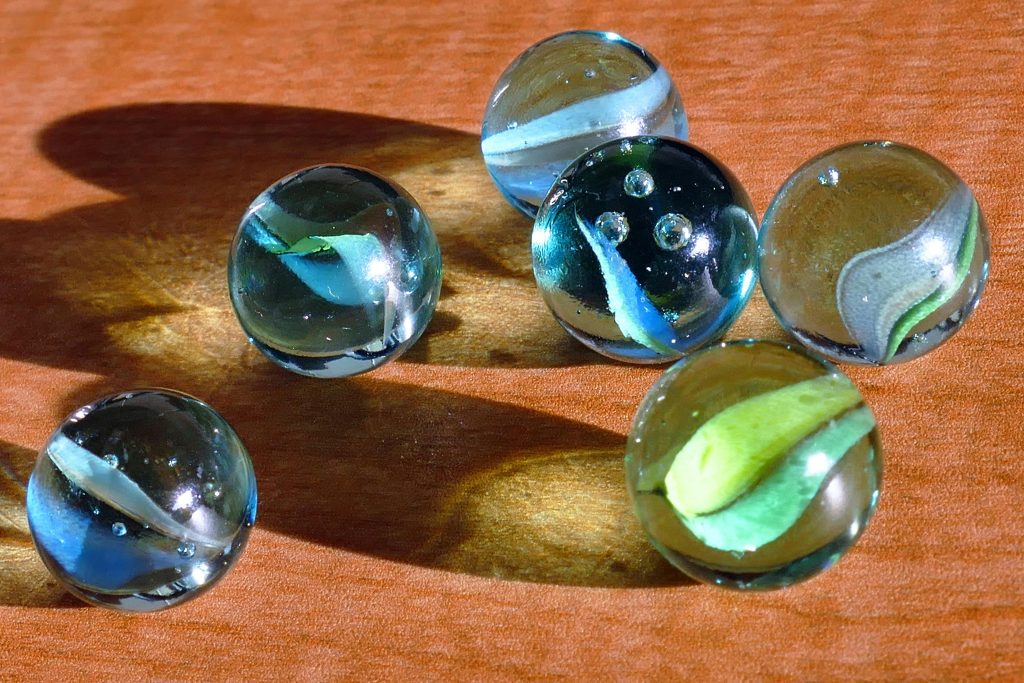
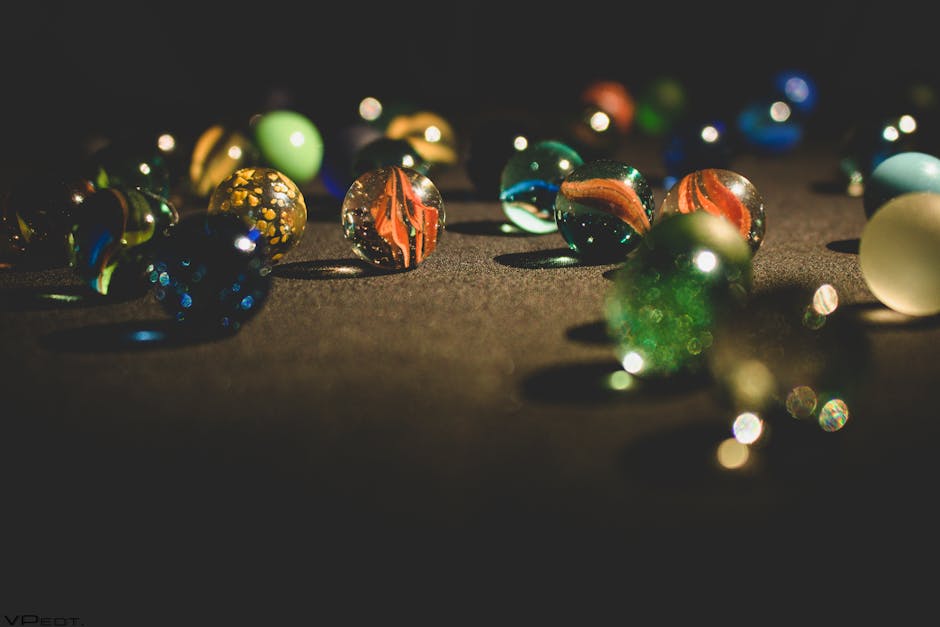
Selling rare antique marbles online can be very rewarding if done carefully because collectors value authenticity, provenance, and quality. Here’s a detailed guide with practical tips to help you maximize sales and avoid pitfalls:
1. Know Your Marbles
Before listing anything, research your items thoroughly:
- Identify the Type: Handmade German, Lauscha, Sulphide, Vitro, etc.
- Determine Age & Rarity: Older, handmade pieces (19th–early 20th century) often fetch higher prices.
- Check Condition: Look for chips, cracks, or wear. Even small flaws affect value.
- Document Provenance: If you know previous owners or auction history, note it — this boosts credibility.
- Catalog Patterns & Colors: Swirls, onionskin, cat’s eyes, and agate patterns are often sought after.
Tip: Use reference guides like Marbles: Identification & Price Guide by Jim McKnight or online databases such as marblecollecting.com.
2. Photography Matters
Collectors rely heavily on visuals. Good photos can make or break a sale.
- High Resolution: Use a DSLR or a smartphone with a macro lens for close-up details.
- Multiple Angles: Capture top, bottom, and side views. Highlight unique features or flaws.
- Lighting: Use natural light or soft diffuse lighting. Avoid harsh shadows.
- Background: Neutral (white, black, or gray) to make the marble colors pop.
- Scale Reference: Include a ruler or coin to show size.
Pro Tip: Include a macro photo of any pontil mark — these are key identifiers for collectors.
3. Write Detailed, Honest Descriptions
Your description should include:
- Type & Pattern: E.g., “19th-century German Lauscha onion skin marble.”
- Size: Diameter in millimeters.
- Condition: Note chips, cracks, wear, or discoloration.
- Provenance: Where and how you acquired it.
- Historical/Collector Value: Mention rarity, production era, or special features.
Collectors prefer accuracy over hype, so never exaggerate the condition or rarity.
4. Pricing Strategies
- Research Similar Sales: Check eBay sold listings, antique marble dealers, and auction results.
- Consider Rarity: Handmade, early German or Sulphide marbles often sell for $50–$500+ per piece, depending on condition.
- Bundle Wisely: Small, less rare marbles can be grouped in lots; rare pieces should be sold individually.
- Auction vs. Fixed Price: Auction can generate competitive bidding for rare items; fixed price is safer for well-known market values.
Tip: Start higher but remain flexible; collectors often negotiate.
5. Choose the Right Platform
Different platforms cater to different audiences:
- eBay: Large collector base, good for auction-style sales.
- Etsy: For vintage and decorative marbles.
- Facebook Groups & Collector Forums: e.g., Vintage Marbles Marketplace, Antique Marble Collectors.
- Specialized Auction Houses: For high-value, rare marbles (e.g., Heritage Auctions, Bonhams).
- Dedicated Marble Dealers: Some dealers buy directly or consign items.
Tip: For very rare or museum-quality marbles, professional auctions may fetch the best prices.
6. Shipping & Packaging
Antique marbles are fragile, so professional packaging is critical.
- Wrap Individually: Use bubble wrap or soft cotton.
- Small, Sturdy Boxes: Prevent rolling or crushing.
- Void Fill: Fill gaps with packing peanuts or foam.
- Label Fragile: Always mark the package clearly.
- Insurance & Tracking: For rare, high-value marbles, insure and use tracked shipping.
Tip: Some sellers include a certificate of authenticity or photo for provenance.
7. Building Trust and Reputation
Collectors value trustworthy sellers:
- Consistent Listings: Use clear, accurate language and consistent photos.
- Respond Quickly: Answer questions promptly and politely.
- Offer Guarantees: Return policy, authenticity guarantee.
- Show Your Expertise: Share knowledge in forums or social media to establish credibility.
8. Marketing Tips
- Highlight Rarity: Mention “19th-century German handmade,” “Lauscha,” or “sulphide inclusion.”
- SEO-Friendly Titles: Include type, age, and material for search visibility.
- Use Collector Keywords: Swirl, onion skin, slag, or mica.
- Social Media Groups: Instagram and TikTok have vintage toy and antique communities.
Tip: A short video rotating the marble can be very persuasive, especially for swirl patterns or multi-colored designs.
9. Legal & Ethical Considerations
- Avoid Misrepresentation: Never sell reproductions as antique.
- Check Export Restrictions: Some antique items may have restrictions, especially if they include rare materials.
- Document Transactions: Keep records for authenticity and potential disputes.
Selling rare antique marbles successfully combines expert knowledge, careful presentation, and reliable logistics. Collectors are willing to pay a premium for well-documented, well-photographed, and well-packaged marbles from reputable sellers.