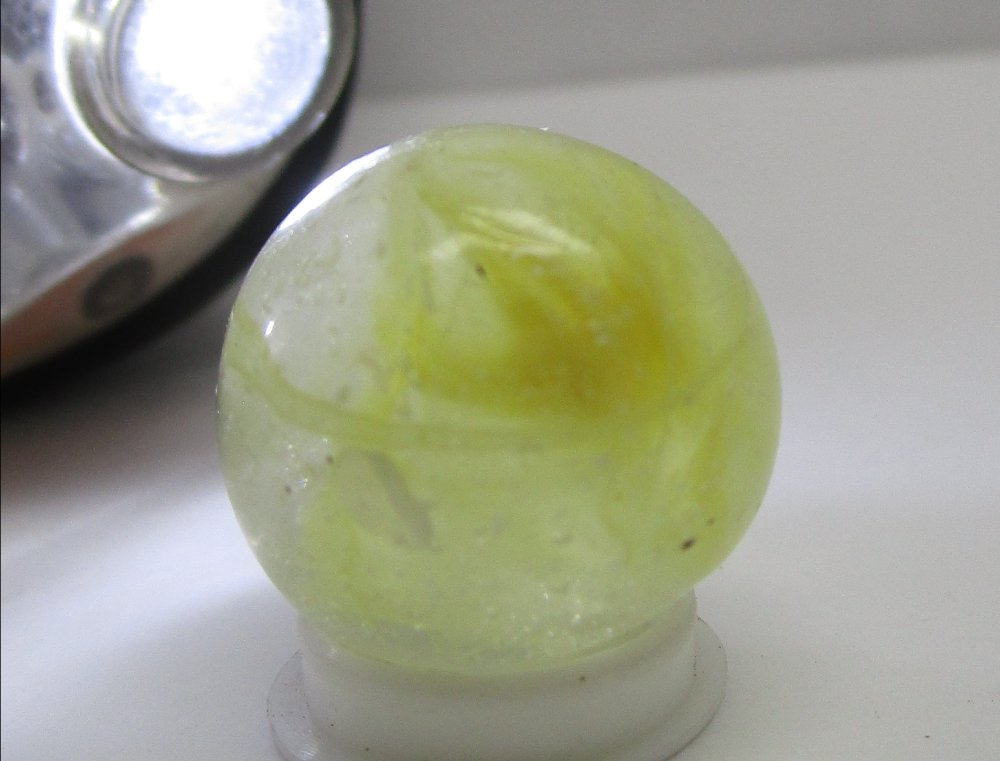

Proper storage and display protect your marble collection’s value while allowing you to enjoy these beautiful glass treasures. Whether you have a modest collection or hundreds of valuable pieces, implementing the right preservation techniques prevents damage and maintains condition over time. This comprehensive guide covers storage materials, display options, handling practices, and environmental considerations for vintage marble collections.
Why Does Proper Storage Matter for Marble Collections?
Glass marbles are remarkably durable materials that have survived decades or even centuries, but they remain vulnerable to specific types of damage. Surface contact between marbles creates the primary risk, as glass-on-glass contact can produce chips and scratches even from seemingly minor movement. A collection stored loosely in a box will deteriorate over time as marbles shift and contact each other.
Environmental factors affect marble preservation as well. Extreme temperature fluctuations can stress old glass, potentially creating or expanding hairline cracks. High humidity doesn’t damage glass directly but can affect storage materials, create condensation issues, or promote deterioration of any original packaging or documentation accompanying marbles.
The financial implications of poor storage are significant. A mint condition rare marble might be worth five to ten times what the same marble in damaged condition brings. A single chip from improper storage can reduce a $500 marble’s value to $100 or less. Implementing proper storage costs far less than the potential value loss from damage.
Beyond financial considerations, marble collectors typically develop emotional connections to their collections. Preventing damage preserves not just monetary value but also the aesthetic beauty and historical integrity that attracted you to marble collecting initially.
What Storage Materials Should I Use?
Selecting appropriate storage materials forms the foundation of marble preservation. Several options exist at different price points and suited to different collection sizes.
Individual marble storage provides the best protection. Small zippered plastic bags work well for temporary storage or shipping, though they’re not ideal for long-term preservation as some plastics can potentially react with old glass over many years. Small cloth pouches made from soft cotton or velvet offer excellent long-term protection, with each marble stored separately to prevent any contact with others.
Many collectors use small coin envelopes or paper pharmacy folds to store individual marbles. Acid-free paper envelopes protect marbles while allowing easy labeling with marble type, acquisition date, or other information. These stack efficiently in larger containers and allow organization by type, manufacturer, or other criteria.
Compartmentalized storage boxes solve many storage challenges efficiently. Tackle boxes, jewelry organizers, or purpose-made marble storage boxes provide individual compartments that keep marbles separated. Look for boxes with cushioned bottoms or line compartments with soft fabric to provide additional protection.
When using compartmentalized boxes, ensure compartments are sized appropriately for your marbles. Marbles shouldn’t rattle around loosely in oversized compartments, but compartments shouldn’t be so tight that removing marbles requires force that might cause chips.
Egg carton foam inserts can be cut to fit standard storage boxes, creating custom compartmentalized storage at minimal cost. Each marble sits in its own depression, preventing contact with neighboring pieces.
For very valuable marbles, consider museum-quality storage solutions. Archival boxes with acid-free foam inserts provide optimal protection. While more expensive than basic storage options, the investment makes sense for marbles worth hundreds or thousands of dollars individually.
How Should I Organize My Marble Collection?
Organization systems should balance protection, accessibility, and logical structure that makes sense for your collecting approach.
Organizing by manufacturer works well for collectors focusing on specific companies like Akro Agate or Christensen Agate. Group all marbles from each manufacturer together, with subdivisions by pattern or color within manufacturer categories. This organization helps identify gaps in manufacturer collections and facilitates study of company production characteristics.
Type-based organization groups similar marbles together regardless of manufacturer. All swirls together, all patches together, all cat’s eyes together. This approach suits collectors interested in pattern types rather than manufacturer focus.
Color organization appeals to collectors who appreciate color families. Group all red marbles together, all blue together, and so forth. This creates visually appealing storage arrangements and helps when searching for marbles to complement specific colors.
Value-based organization separates marbles by price ranges. Keep your most valuable pieces in premium storage with extra protection, while common marbles can use more basic storage. This ensures your most significant investments receive appropriate care.
Size-based organization groups marbles by diameter ranges. This practical approach ensures storage compartments are appropriately sized for their contents and makes locating marbles of specific sizes simple.
Many collectors use hybrid systems combining multiple organizational principles. Primary organization might be by manufacturer, with secondary organization by type or color within each manufacturer section. Choose systems that align with how you think about and enjoy your collection.
What Are the Best Display Options for Marble Collections?
Displaying marbles lets you enjoy their beauty while keeping them accessible. Multiple display approaches offer different advantages.
Shadow box display cases with individual compartments provide attractive wall-mounted displays. These work particularly well for showcasing premium pieces or thematic collections. Mount shadow boxes away from direct sunlight to prevent potential fading of certain marble types. Ensure boxes are secure, as a falling shadow box could damage marbles significantly.
Tabletop display cases with glass tops allow viewing from above while protecting marbles from dust and handling. These cases often feature velvet or felt linings with individual depressions for each marble. They work well on shelves or tables where they can be appreciated without taking up wall space.
Tiered acrylic display stands create dynamic presentations showing marbles at different levels. Clear acrylic allows light to pass through transparent marbles, enhancing their appearance. These stands work best for smaller focused collections rather than comprehensive displays.
Marble display tubes or towers stack marbles vertically in clear tubes, creating interesting geometric presentations. While visually striking, this approach does involve marble-to-marble contact, so it works better for common pieces than rare valuable examples.
Custom display cases built specifically for marble collections offer ultimate flexibility. Work with a carpenter or case builder to create displays matching your specific needs, collection size, and available space. Custom cases can incorporate lighting, individual compartments, and whatever features best showcase your particular collection.
Rotating displays solve the challenge of enjoying large collections when display space is limited. Keep your full collection in protected storage but maintain a display case showing a rotating selection. Change displayed marbles monthly or seasonally to enjoy different pieces throughout the year.
How Should I Handle Vintage Marbles?
Proper handling techniques prevent damage during examination, photography, or reorganization of collections.
Always handle marbles over soft surfaces. Work at tables covered with felt, velvet, or thick cloth. If you drop a marble onto a soft surface, damage is unlikely. Dropping onto hard surfaces like wood, tile, or concrete can cause significant chips.
Wash hands before handling marbles, as oils from skin can accumulate on glass surfaces over time. While glass isn’t damaged by skin oils, they can attract and hold dust, gradually diminishing the marble’s appearance.
Handle one marble at a time rather than multiple pieces simultaneously. This prevents accidental contact between marbles that could cause chips. When examining marbles at shows or shops, take one at a time from dealers’ stock rather than handling several together.
Use proper lighting when examining marbles. Natural indirect daylight provides excellent illumination for assessing colors and patterns. LED flashlights help inspect internal structures and identify pontil marks or damage. Avoid examining marbles under hot incandescent lights for extended periods, as heat could potentially affect very old glass.
When photographing marbles, place them on non-abrasive surfaces. Soft fabric, foam, or specialized marble photography backgrounds prevent surface contact with hard materials while providing attractive backdrops.
Return marbles to storage immediately after handling rather than leaving them sitting on hard surfaces where they might be bumped or knocked onto floors.
What Environmental Conditions Are Best for Marble Storage?
Environmental control protects marble collections from potential deterioration over time.
Temperature stability matters more than specific temperature. Store collections in areas maintaining relatively consistent temperatures year-round. Avoid attics, which heat dramatically in summer, or unheated basements that freeze in winter. Normal household temperatures between 60-75 degrees Fahrenheit work well.
Rapid temperature changes create more risk than gradual seasonal variations. When moving marbles between different temperature environments, allow them to acclimate gradually. Don’t, for example, bring marbles directly from a cold garage into a hot car on a summer day.
Moderate humidity levels between 30-50% provide ideal conditions. Higher humidity doesn’t damage glass directly but can affect storage materials and create condensation issues. Very low humidity is generally fine for glass but might affect certain storage materials.
Keep collections away from direct sunlight. While glass itself is relatively stable, extended UV exposure over years or decades can potentially fade certain colors, particularly in some vintage machine-made marbles. Indirect natural light is fine, but avoid windowsills or other locations receiving direct sun for hours daily.
Store collections in clean environments away from dust and pollutants. While dust doesn’t damage glass, it’s annoying to clean repeatedly and could potentially cause micro-scratches if wiped off improperly. Enclosed storage or display cases minimize dust accumulation.
How Should I Clean Marbles When Necessary?
Cleaning should be approached carefully to avoid introducing damage to previously undamaged marbles.
For routine cleaning of moderately dirty marbles, use lukewarm water with one drop of mild dish soap. Wash each marble individually in a plastic basin or bowl (never in a sink where dropping is possible). Gently rub with a soft cloth to remove dirt and oils. Rinse thoroughly with clean lukewarm water to remove all soap residue, then dry immediately with a soft lint-free cloth.
For stubborn dirt, soak marbles briefly in plain lukewarm water to loosen debris before the gentle washing process. Never soak for extended periods, and certainly never leave marbles soaking overnight. Brief soaking of 2-5 minutes is sufficient.
Never use abrasive cleaners, harsh chemicals, or rough cloths. These can scratch glass surfaces or remove original finish. Avoid ultrasonic cleaners, which can potentially cause stress damage to old glass.
Some collectors use cotton swabs dampened with water for detail cleaning around pontil marks or in crevices where dirt accumulates. This allows gentle targeted cleaning without risking damage to the overall marble surface.
For very valuable marbles, consider leaving them uncleaned if dirt is light. Some collectors believe patina contributes to authenticity and prefer preservation over pristine appearance. When in doubt about cleaning valuable pieces, consult with experienced collectors or dealers before proceeding.
What About Insurance and Documentation?
Collections representing significant value deserve proper documentation and insurance consideration.
Photograph your entire collection, with particular attention to valuable individual pieces. Take multiple angles showing pattern details, size relative to a ruler, and any identifying characteristics. Store photos digitally with backup copies, and maintain written descriptions including type, approximate date, condition, and acquisition information.
Create an inventory spreadsheet listing each marble with relevant details including acquisition date, source, price paid, current estimated value, and condition notes. Update this regularly as you acquire pieces or as market values change.
For collections worth several thousand dollars or more, consider scheduling them on your homeowner’s or renter’s insurance policy. Standard policies may have limited coverage for collectibles, while scheduled items receive agreed-upon value coverage. Discuss specific coverage needs with your insurance agent.
Maintain receipts from significant purchases, especially from reputable dealers or auctions. These document provenance and value for insurance purposes while creating a record of your collection’s history.
Consider professional appraisal for very valuable collections. Written appraisals from recognized experts provide documentation for insurance, estate planning, or eventual sale purposes.
How Should I Prepare Marbles for Shipping?
Proper packing prevents damage when buying online, selling marbles, or sending pieces for authentication or appraisal.
Wrap each marble individually in bubble wrap or tissue paper. Never ship multiple marbles loose together in a container. Individual wrapping prevents contact damage during transit.
Place wrapped marbles in small boxes or containers with additional padding around all sides. The marbles should not move when the package is shaken. Use crumpled paper, packing peanuts, or additional bubble wrap to fill any voids.
Place the inner container inside a larger outer box with substantial padding between inner and outer boxes. This double-boxing protects against impacts during shipping.
Mark packages “Fragile – Glass” even though marbles are relatively durable. While this doesn’t guarantee careful handling, it can’t hurt.
Use tracked shipping with insurance for valuable marbles. Document the package contents with photos before sealing in case insurance claims become necessary.
When receiving marbles by mail, open packages carefully over a soft surface in case marbles have worked loose during transit. Inspect immediately upon arrival and contact sellers promptly if damage occurred during shipping.
Proper storage, display, and handling preserves your marble collection’s condition, value, and beauty for future generations. Implementing these practices requires some initial investment in storage materials and time organizing, but the result is a protected collection you can enjoy and potentially pass on to future collectors in excellent condition.