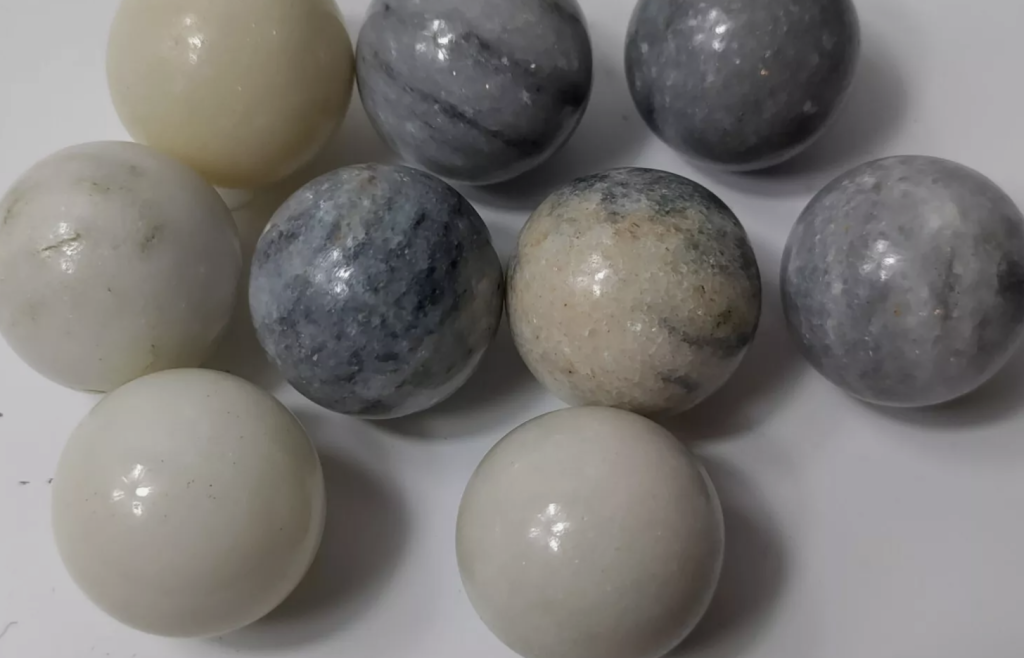
Antique marbles can be worth anywhere from a few dollars to several thousand dollars, but only if you know how to identify them correctly. This guide will teach you the essential techniques collectors use to distinguish valuable vintage marbles from modern reproductions and determine their age, maker, and potential value.
What Makes a Marble “Antique” or “Vintage”?
Antique marbles are typically defined as those made before 1950, with the most valuable pieces dating from 1850 to 1920 during the German handmade era. Vintage marbles generally refer to collectible pieces from 1900 to 1970, including early American machine-made marbles. Understanding this timeline is your first step in identification.
The marble collecting community recognizes three major eras: the German handmade period (1850-1920), the transition period (1900-1930), and the American machine-made period (1920-1970). Each era produced marbles with distinct characteristics that help with identification.
How Do I Know If My Marbles Are Handmade or Machine-Made?
This is the single most important question in marble identification, as handmade marbles are typically worth significantly more than machine-made examples. Here’s how to tell the difference:
Handmade Marble Characteristics:
Handmade marbles feature a pontil mark, which is a rough or smooth circular area where the glass was cut from the punty rod during manufacturing. This appears as a small rough spot, often with a tiny raised area. Examine your marble closely under good lighting—if you see this circular mark, you likely have a handmade piece.
The glass itself will show subtle irregularities in handmade marbles. Colors may have slight variations in tone, and patterns won’t be perfectly symmetrical. These “imperfections” are actually desirable to collectors as they prove authenticity and craftsmanship.
German handmade marbles typically measure between 0.5 and 2 inches in diameter, with most falling in the 0.625 to 0.75 inch range. Anything larger than 2 inches is considered a boulder and commands premium prices.
Machine-Made Marble Characteristics:
Machine-made marbles lack pontil marks and instead have two small “cutoff lines” or “seams” on opposite sides where the marble was cut from a continuous glass stream. These appear as tiny pinprick marks, sometimes with small raised bumps around them.
The patterns in machine-made marbles are typically more uniform and symmetrical. Colors are consistent throughout, and the overall appearance is more “perfect” than handmade examples. While this might seem superior, collectors value the character of handmade pieces more highly.
American machine-made marbles from companies like Akro Agate, Christensen Agate, and Peltier Glass dominated production from 1920 onward. These are still collectible and valuable, just typically less so than handmade German marbles.
What Are the Most Common Types of Antique Marbles?
Understanding marble types is crucial for identification and valuation. Here are the major categories:
Swirl Marbles:
Swirl marbles feature colored glass ribbons suspended in clear or colored base glass. Variations include latticinio (white core swirls), solid core swirls, divided core swirls, ribbon core swirls, and the highly prized Joseph’s Coat pattern with multiple vibrant colors.
End-of-day marbles, sometimes called onionskins, feature stretched and folded glass in multicolored patterns. Despite their name suggesting leftover glass, these were actually intentionally designed premium marbles.
Lutz Marbles:
Lutz marbles contain goldstone, a copper-flecked aventurine glass that creates a glittering effect. Named after glassmaker Nicholas Lutz, these are among the most valuable antique marbles. The goldstone bands can appear in various colors including clear, white, black, or colored glass. A genuine Lutz in excellent condition can sell for $500 to $5,000 or more.
Sulphide Marbles:
Sulphide marbles contain a white clay figure embedded in clear glass, typically depicting animals, numbers, or human forms. The most common figures are dogs, lions, sheep, and bears. These were produced primarily in Germany from 1850 to 1910 and are highly collectible today.
Mica Marbles:
These marbles contain flecks of mica that create a sparkly appearance different from Lutz goldstone. The mica appears as flat, silvery flakes rather than copper-colored sparkles.
How Can I Determine the Age of My Marbles?
Several factors help establish marble age:
Glass Composition:
Older marbles (pre-1920) were made using different glass formulations than modern marbles. Under blacklight (UV light), many antique marbles will fluoresce due to manganese content in the glass. This was commonly used until World War I disrupted supply chains.
Wear Patterns:
Genuine antique marbles show natural wear from decades of use or storage. Look for even surface wear, tiny surface chips, or a slightly rough texture. However, be cautious—some dealers artificially age new marbles by tumbling them.
Construction Methods:
The presence of a pontil mark immediately dates a marble to the handmade era, generally before 1920. Machine-made characteristics indicate post-1900 production, with specific companies operating during known time periods.
What Condition Issues Should I Look For?
Marble condition dramatically affects value, often determining whether a marble is worth $5 or $500. Collectors use a grading system from Mint to Poor:
Mint (9.0-10): No damage visible to the naked eye. May have tiny manufacturing imperfections but no play wear or chips.
Near Mint (8.0-8.9): Very minor surface wear or one tiny pinprick. Exceptional eye appeal maintained.
Good (7.0-7.9): Minor surface wear and small flakes or chips that don’t detract from overall appearance.
Collectible (6.0-6.9): Moderate wear with several small chips or one larger chip. Pattern still clearly visible.
Poor (below 6.0): Heavy damage, significant chips, or cracks. Generally only valuable if extremely rare.
Common damage includes chips (small missing pieces of glass), fleabites (tiny chips barely visible), surface wear (dulling from use), and cracks (stress fractures that significantly reduce value).
How Do I Avoid Fake Antique Marbles?
The market contains numerous reproductions, particularly of high-value types like Lutz and sulphide marbles. Modern reproductions often have too-perfect pontil marks, overly vibrant colors not achievable with period glass-making techniques, and lack the subtle irregularities of genuine handmade marbles.
When buying expensive marbles, purchase from reputable dealers, request authenticity guarantees, compare to authenticated examples in reference books, and join collector communities where members share knowledge about known fakes.
What Resources Can Help Me Learn More?
Successful marble identification requires studying authenticated examples and building knowledge over time. Essential resources include “Marbles: Identification and Price Guide” by Robert Block, the Marble Collectors Society of America, online forums like MarbleConnection.com, and attending regional marble shows where you can examine pieces firsthand.
The best marble identifiers develop their eye through experience. Start by examining marbles in person whenever possible, comparing your pieces to documented examples in reference guides, and connecting with experienced collectors who can share their expertise.
With practice and these fundamental identification techniques, you’ll develop the skills to recognize valuable antique marbles and build a meaningful collection.