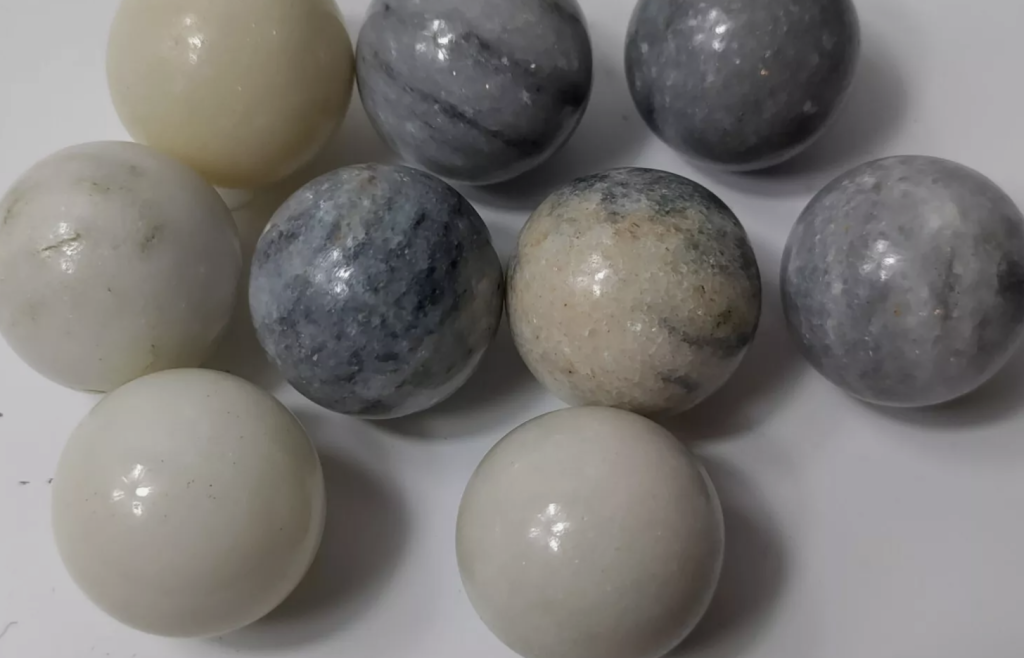
Transitional Marbles: Production Changes Worth Collecting
What Are Transitional Marbles?
Transitional marbles originate from periods where manufacturers shifted from handmade to machine-assisted or fully mechanised production. These marbles often display mixed characteristics, making them historically rich but frequently misunderstood.
Why Transitional Marbles Are Undervalued
Many collectors prefer clearly categorised pieces. Transitional marbles resist neat classification, leading to:
Misidentification
Underpricing
Limited mainstream appeal
For informed UK collectors, this creates opportunity.
Key Transitional Periods
German to American Transition (1890–1910)
Hand-gathered glass combined with early machinery produces inconsistent but fascinating results.
Early American Automation (1910–1925)
Companies like Akro and Peltier experimented heavily, leaving diagnostic flaws and short-lived styles.
Identifying Transitional Characteristics
Look for:
Uneven seams
Asymmetrical cores
Mixed hand-cut and machine-rounded surfaces
These indicators often separate transitional pieces from later mass production.
Market Performance in the UK
Transitional marbles are beginning to attract:
Academic interest
Advanced collectors
Investors seeking asymmetric upside
Prices remain modest compared to their historical importance.
Collecting Strategy
UK collectors should:
Focus on well-documented examples
Avoid heavily damaged specimens
Keep detailed attribution notes
Risks to Watch
Over-attribution by sellers
Later marbles marketed as transitional
Restoration masking production features
Final Thoughts
Transitional marbles represent industrial history frozen in glass. For UK collectors willing to study production nuance, they offer both intellectual and financial rewards.