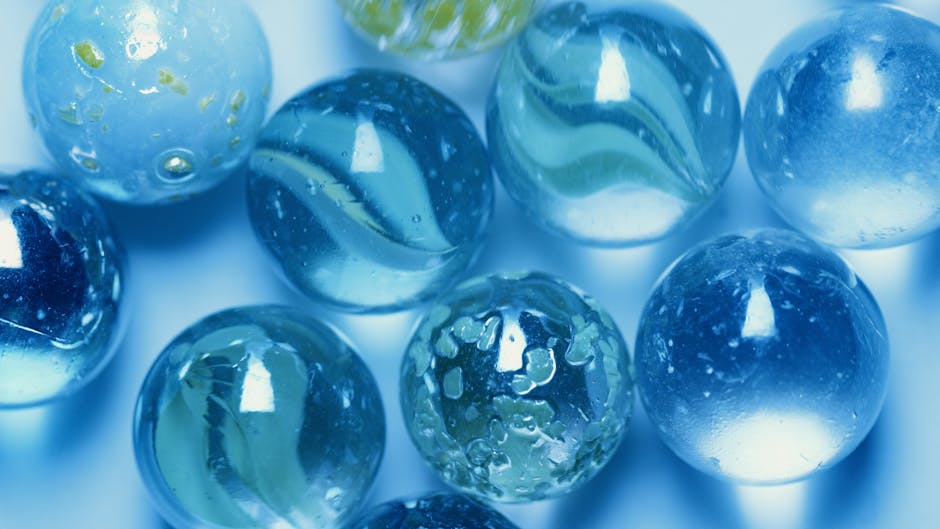

The evolution of marbles traces a fascinating journey through materials, each representing distinct eras, technologies, and cultural contexts. From ancient stone spheres to elaborate glass creations, the substances used to create marbles reveal as much about human ingenuity and economic development as they do about children’s play. Understanding these material-based categories provides essential foundation for appreciating marble history, identifying specimens correctly, and building meaningful collections.
Stone Marbles: Humanity’s First Gaming Spheres
Stone marbles represent the oldest category, with archaeological evidence documenting their use across ancient civilizations from Egypt and Rome to China and the Americas. These earliest examples were fashioned from whatever suitable stone materials local geography provided, resulting in remarkable diversity across regions and time periods.
Limestone and marble (the actual stone, not the toy) provided accessible materials for ancient marble makers. Craftsmen shaped these relatively soft stones through grinding and polishing, creating spheres ranging from crude approximations to remarkably precise specimens. The term “marble” for glass spheres likely derives from these stone predecessors, as early glass examples were considered imitations of polished marble stone balls.
Agate marbles represent the aristocracy of stone gaming pieces. Semi-precious agate’s natural banding and colors created beautiful playing spheres prized by wealthy families throughout history. German stoneworkers particularly excelled at fashioning agate marbles during the 18th and 19th centuries, producing pieces that served as luxury items rather than common playthings. The natural patterns within agate—concentric bands, eye formations, and color variations—made each marble unique and often spectacular.
Other semi-precious stones including jasper, carnelian, and onyx appeared in high-quality stone marbles, particularly those created for adult games or as collectible objects. These materials required significant labor to shape and polish, making stone marbles expensive compared to later clay and glass alternatives.
The weight and hardness of stone marbles influenced gameplay significantly. These heavy spheres delivered powerful impacts in marble games but proved less forgiving than lighter materials when striking other marbles or errant fingers. Stone’s durability meant marbles could last generations, and indeed, many antique stone marbles survive in excellent condition today despite centuries of use.
Collecting stone marbles presents unique challenges and rewards. Authentic ancient examples rarely enter the general market, more commonly appearing in museum collections or specialized archaeological sales. Victorian-era agate marbles appear more frequently, particularly German-made examples from the 19th century. Collectors should verify authenticity carefully, as modern stone marbles from India and China sometimes enter the market misrepresented as antiques.
Clay Marbles: The Democratic Alternative
Clay marbles democratized marble gaming, providing affordable alternatives to expensive stone and glass. These earthenware spheres dominated common play from the late 18th through early 20th centuries, particularly in America and Britain where domestic pottery industries produced them in vast quantities.
Pottery marbles or “commies” (common marbles) were manufactured through relatively simple processes: rolling clay into spheres, drying, and firing in kilns. The most basic examples featured plain brown, tan, or gray clay without decoration, selling for pennies per dozen and serving as the standard currency for children’s marble games.
More sophisticated decorated pottery marbles featured painted designs, colored glazes, or patterned surfaces applied before firing. These enhanced versions showed stripes, dots, geometric patterns, or solid colors in blues, greens, and other hues. British pottery firms produced particularly attractive examples, some featuring delicate hand-painted decorations rivaling fine ceramic craftsmanship.
Bennington marbles, named for potteries in Bennington, Vermont, represent American clay marble production at its finest. These glazed stoneware marbles displayed distinctive mottled brown and blue patterns created through specific glazing techniques. The term “Bennington” became generic for this style, though multiple American potteries produced similar marbles throughout the 19th century.
Clay marbles’ porous nature made them susceptible to chipping, cracking, and gradual deterioration from moisture and use. Consequently, clay marbles in excellent condition command premium prices despite originally being the cheapest option. The surface texture—slightly rough compared to glass—and the weight difference make clay marbles immediately identifiable by touch.
Collectors appreciate clay marbles for their historical significance and folk-art charm. These humble spheres represent everyday childhood in previous centuries, connecting modern collectors to common experiences across generations. Condition dramatically affects value, with pristine examples of decorated or Bennington-style marbles proving surprisingly valuable given their utilitarian origins.
Glass Marbles: The Dominant Material
Glass transformed marble production and collecting, offering transparency, color possibilities, and decorative potential impossible with other materials. The glass marble era divides into distinct periods and styles, each contributing unique varieties to collecting categories.
Early handmade glass marbles emerged from German glassmaking centers, particularly Lauscha in Thuringia, during the mid-19th century. These individually crafted spheres showcased glassworking artistry, incorporating swirls, bands, ribbons, and other decorative elements impossible in stone or clay. The transparency of glass allowed internal patterns visible from every angle, creating aesthetic possibilities that captivated children and collectors alike.
German craftsmen developed numerous glass formulations and techniques: clear glass for showcasing internal patterns, opaque glass for solid colors and backgrounds, semi-opaque clambroth for its distinctive milky appearance, and aventurine glass containing metallic flakes for shimmering effects. Each formulation required specific knowledge and careful temperature control, reflecting centuries of glassmaking tradition.
Machine-made glass marbles revolutionized production in the early 20th century, making beautiful glass marbles affordable for every child. American manufacturers developed proprietary glass formulas creating distinctive characteristics—Akro Agate’s dense, opaque colors, Peltier’s brilliant transparent hues, Christensen’s unique slag combinations. The chemistry of glass production influenced not only appearance but also durability, weight, and collectibility.
Modern glass technology enables contemporary marble artists to create pieces impossible for historical craftsmen. Borosilicate glass allows for intricate lampwork techniques, creating miniature glass sculptures within marble format. These contemporary art marbles represent glass marble evolution continuing, though they occupy a different collecting category from vintage production.
Glass marbles’ dominance stems from versatility, beauty, and production efficiency. The material accepts virtually unlimited decorative treatments while maintaining durability suitable for active play. Transparency creates depth and visual interest, making even simple glass marbles more engaging than opaque alternatives.
Hybrid and Alternative Materials
Beyond the big three, various alternative materials appeared in marble production with varying success. Steel marbles served specialized purposes in bearings and industrial applications, occasionally crossover into play. Plastic marbles emerged mid-20th century but never achieved the aesthetic appeal or collectibility of glass. Ceramic marbles distinct from simple pottery appeared in some Asian production, featuring vitrified surfaces resembling glass qualities.
Bennington-style stoneware represents a hybrid category, combining clay’s earthiness with glass-like glazed surfaces. These marbles bridge pottery and glass traditions, collecting adherents who appreciate both material categories.
Collecting Across Materials
Serious marble collections often span all material categories, recognizing that each contributes unique historical and aesthetic dimensions. Stone marbles connect to ancient gaming traditions, clay marbles document industrial pottery development and common childhood experiences, and glass marbles showcase artistic and technical innovation across multiple eras.
Material identification skills prove essential for proper marble evaluation. Weight, surface texture, transparency, and sound when struck all vary by composition, providing sensory clues supplementing visual examination. A marble’s material often determines its historical context, probable origin, and relative value within the collecting hierarchy.
Understanding material-based categories enriches appreciation for individual marbles and entire collections. Each substance tells stories about available technologies, economic conditions, and aesthetic preferences during its production era. Whether drawn to ancient stone elegance, pottery’s folk charm, or glass’s brilliant beauty, collectors find that material diversity makes marble collecting endlessly fascinating across centuries and cultures.