The Golden Age of American Marbles: 1920s-1950s Industry Boom
The period from the 1920s to the 1950s is often described as the “Golden Age” of American marbles. During this time, the marble industry underwent significant transformation, innovation, and growth. From backyard games to serious collecting, marbles became a cherished pastime for many, leaving a legacy that continues to be fondly remembered and revisited today. This post delves into the intriguing history and cultural impact of this distinctive period in the American marble industry.
The Rise of the Marble Industry
Early Beginnings
Although marbles have ancient origins, the commercial production in America gained momentum at the turn of the 20th century. Initially, marbles were handmade, primarily from clay or stone, with glass marbles being imported from Germany. The advent of cheap manufacturing methods, particularly the development of machinery for mass-production, was a game-changer for the U.S. industry.
The Impact of Automation
In 1905, the innovation of automatic marble-making machinery by M.F. Christensen & Son Co. led to seismic shifts in the marble landscape. This technological advancement enabled large-scale production, drastically reduced the cost of marbles, and facilitated nationwide distribution. As a result, marbles became affordable to the general public, greatly expanding the game’s popularity.
The 1920s: Birth of a Cultural Phenomenon
Marble King and the Rise of Glass Marbles
The 1920s marked the entry of glass marbles as the dominant variety in the American market. This decade witnessed the emergence of companies like Marble King and Akro Agate, which capitalized on the efficient production techniques to meet growing demand. Marble King, in particular, dramatically influenced the industry by producing vibrant, colorful marbles that captivated children and collectors alike.
The Influence of Mass Marketing
With glass marbles becoming readily available, companies began employing innovative marketing strategies to captivate their audience. Brands like Peltier Glass Company and Marble King introduced marbles in appealing packaging, often with tie-ins to popular movies, cartoon characters, and comic books, embedding them firmly within the cultural fabric of the era.
The Great Depression’s Paradox
Economic Challenges and Industry Resilience
Despite the economic turmoil of the Great Depression in the 1930s, the marbles industry proved remarkably resilient. The affordability of marbles compared to other toys and their easy accessibility made them a favorite pastime for children during these tough times. Marbles were not only seen as a game but also as a collectible item that offered escapism from daily hardships.
Wartime Innovation
During World War II, many industries, including the toy sector, experienced disruptions due to resource shortages. However, American ingenuity persisted. Companies adapted by experimenting with different materials, such as ceramics, clay, and even recycled glass, to continue production. This reinvention ensured that marbles remained a beloved and enduring childhood staple.
The 1950s Boom: A Cultural Staple
Post-War Prosperity and Collecting Mania
The post-war economic boom of the 1950s invigorated consumerism, and with it, the game of marbles flourished. The newfound prosperity meant parents could afford toys for their children, and marbles, being both affordable and nostalgic, became a popular choice. The period also saw a surge in marble collection as a hobby, with adults reminiscing about their childhood games and seeking to hand down these treasures to the next generation.
Television and Popular Culture
Television, becoming a household fixture in this era, also played a role in popularizing marbles. Shows often featured them in storylines or as part of children’s games, further embedding marbles into mid-century American culture. As collectibles became more fashionable, some television programs even offered marbles as prizes, sparking fierce competition and trading among young enthusiasts.
The Craftsmanship and Diversity of Marbles
Diversity in Design
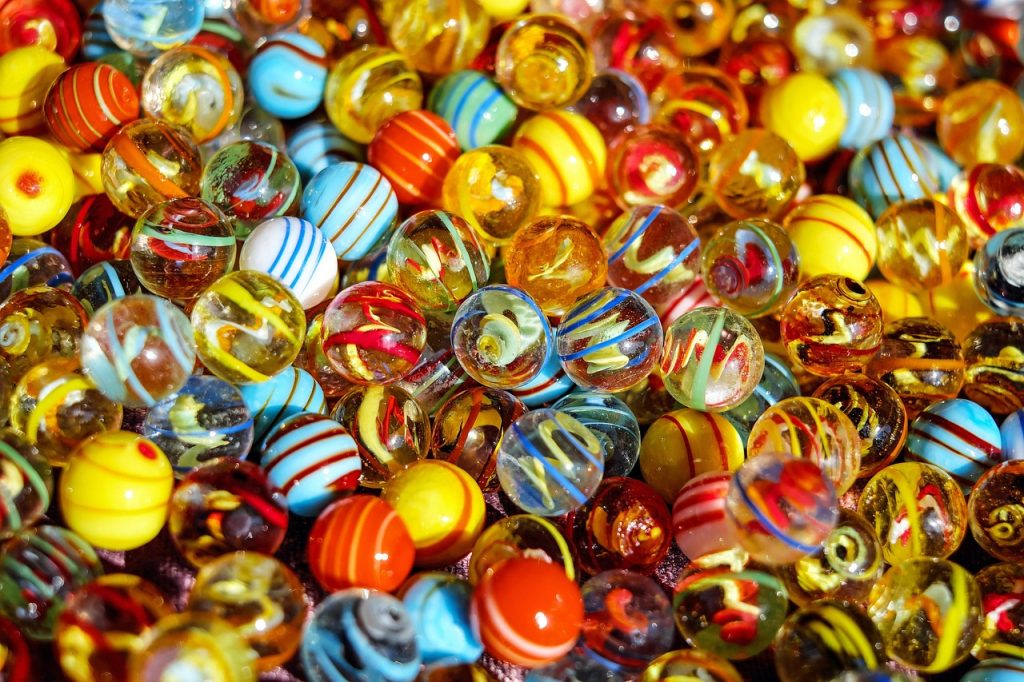
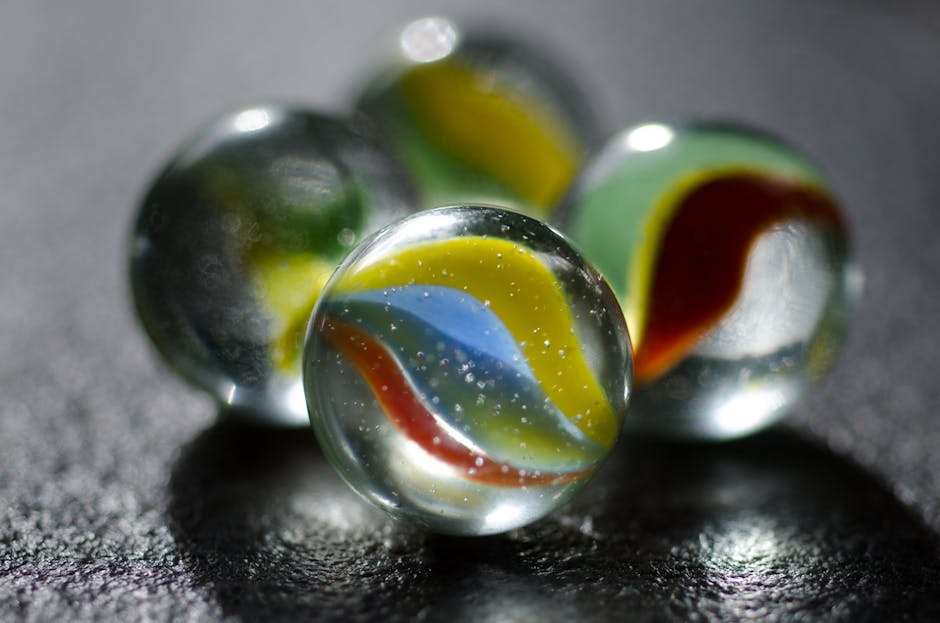
One of the hallmarks of the Golden Age of marbles was the diversity and beauty of their designs. With advances in glass-making techniques, manufacturers could produce a stunning array of patterns and colors, from swirls to cat’s eyes and more intricate agate designs. Each marble was a miniature work of art, with its own unique aesthetic and appeal.
Innovation in Production Techniques
During this era, American manufacturers pioneered new production techniques that allowed for greater consistency and quality in the marbles produced. Companies like Vitro Agate and Jabo, for example, used innovative methods to blend colors and create uniform patterns, which not only enhanced beauty but also the marbles’ durability, making them well-suited for rigorous play.
Conclusion
The Golden Age of American marbles, from the 1920s to the 1950s, was a period of remarkable growth and cultural significance. The industry thrived due to technological advancements, economic conditions, and clever marketing strategies, transforming marbles into a beloved part of American childhood. Today, these marbles are more than just decorative pieces or game pieces; they are treasured artifacts that carry a rich history of innovation, nostalgia, and the simple joys of play. As collectibles, they continue to fascinate enthusiasts worldwide, keeping alive the legacy of a vibrant period in American leisure history.