Swirl marbles represent one of the most recognizable and collectible categories in vintage marble collecting. These distinctive marbles feature colored ribbons or patterns swirling through clear or opaque glass, creating mesmerizing visual effects that have captivated collectors for over a century. This comprehensive guide explores swirl marble identification, variations, manufacturers, values, and collecting these beautiful patterned marbles.
What Are Swirl Marbles?
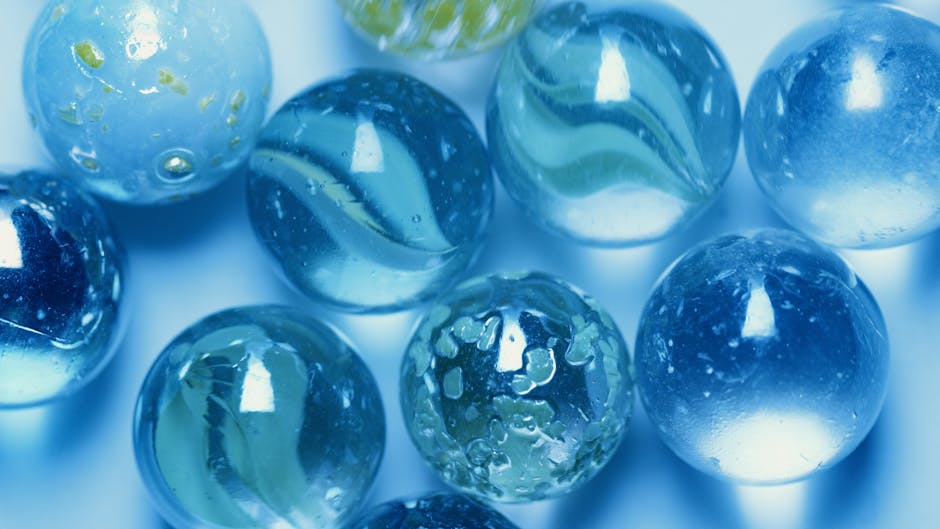
Swirl marbles feature colored glass ribbons, threads, or patterns arranged in swirling patterns within clear or opaque base glass. The patterns create spiral, vortex, or flowing designs that distinguish swirl marbles from solid color or simple pattern types.
The swirling patterns result from manufacturing techniques where colored glass is introduced into clear glass during forming, then twisted or rotated to create spiral effects. The specific techniques vary between handmade and machine-made production, creating distinct characteristics for each type.
Swirl marbles were produced by numerous manufacturers across multiple decades, from early German handmade examples through American machine-made production and into contemporary art marbles. The pattern’s popularity endures because swirls create visually striking marbles that display beautifully and photograph well.
Handmade German swirls represent the original swirl marbles, created by skilled glassworkers using traditional techniques. These pieces show individual variation and artisanal characteristics distinguishing them from later machine-made examples.
Machine-made American swirls from companies like Akro Agate, Peltier Glass, and others created more uniform patterns while maintaining visual appeal. These pieces offer collecting opportunities at various price points from affordable to premium.
How Are Swirl Marbles Made?
Understanding manufacturing techniques helps identify and appreciate different swirl marble types.
Handmade swirl production begins with gathering clear glass on a punty rod from a furnace. The glassmaker then introduces colored glass rods or applies colored glass to the molten clear glass mass. The colored glass might be applied as ribbons, threads, or patches depending on desired pattern.
Pattern creation involves rotating and manipulating the glass while it remains molten. The glassmaker twists the punty rod, creating spiral patterns as colored glass wraps around the clear core. The specific manipulation techniques create different pattern types from tight spirals to loose flowing designs.
Forming the marble shape requires constant rotation while maintaining heat. The glassmaker uses gravity and hand tools to achieve spherical form while preserving the swirl pattern. The process demands skill to create round marbles with attractive patterns.
Machine-made swirl production uses different approaches. Some machines feed colored glass ribbons into clear glass streams before cutting and forming. The mechanical processes create more consistent patterns but less individual variation than handmade pieces.
Cooling and annealing complete the process, with marbles cooled slowly to prevent cracking and preserve pattern integrity. Proper annealing ensures marbles remain stable and durable over decades.
What Are the Major Swirl Marble Types?
Swirl marbles show tremendous variety in patterns, colors, and construction methods.
German handmade swirls represent classic examples featuring hand-applied colored ribbons in clear glass. These marbles show individual variation with no two exactly alike. Patterns range from simple single-color spirals to complex multi-color designs with multiple ribbon layers.
Common German swirl colors include blue, red, yellow, green, and white ribbons in clear glass. More elaborate examples feature multiple colors creating rainbow effects or complex pattern combinations. Size ranges typically fall within 0.625 to 1.25 inches, with larger examples commanding premium prices.
American machine-made swirls from major manufacturers show characteristic patterns reflecting specific production techniques. Akro Agate swirls often feature bold colors with distinct pattern arrangements. Peltier Glass swirls show different characteristics reflecting their specific manufacturing processes.
Amsterdam Swirls from Veiligglas represent Dutch contribution to swirl production. These marbles feature opaque or semi-opaque bases with swirling ribbons, creating different visual effects than transparent German or American swirls. The Dutch examples show distinctive color combinations and pattern styles.
Contemporary art swirls created by modern marble makers use advanced techniques creating spectacular effects. These pieces might incorporate dichroic glass, implosion techniques, or other modern innovations while maintaining classic swirl aesthetics.
How Can I Identify Swirl Marbles?
Recognizing swirl marbles requires understanding characteristic features distinguishing them from other pattern types.
The defining characteristic is swirling pattern arrangement. Colored elements spiral or flow through the glass rather than appearing as random patches or solid colors. The pattern creates sense of movement and depth within the glass.
Handmade swirls show individual variation with no two pieces identical. The patterns show organic, flowing characteristics reflecting hand manipulation. Pontil marks confirm handmade construction, appearing as circular marks on marble surfaces.
Machine-made swirls show more uniform patterns with consistent characteristics within production runs. Cutoff marks indicate machine production, appearing as paired marks on opposite marble sides. The patterns show mechanical regularity distinguishing them from handmade examples.
Color combinations and specific pattern arrangements help identify manufacturers. Akro Agate swirls show characteristic color schemes and pattern densities. Peltier swirls display different characteristics. Learning manufacturer-specific features requires experience examining authenticated examples.
Size and condition provide additional identification clues. German handmade swirls typically range 0.625 to 1.25 inches. Machine-made examples show more size consistency. Condition affects identification as damage can obscure pattern characteristics.
What Are Swirl Marble Values?
Market values for swirl marbles reflect manufacturer, pattern quality, size, and condition.
Common German handmade swirls in average patterns and standard sizes typically sell for $10-50. These represent accessible entry points for swirl collecting. Simple single-color swirls fall toward lower end while multi-color examples command higher prices.
Better German swirls with attractive patterns, multiple colors, or larger sizes bring $50-200. Premium examples with exceptional patterns, large sizes, or rare color combinations can reach $200-500 or more.
American machine-made swirls from major manufacturers typically sell for $5-30 for common examples. Better patterns, larger sizes, or desirable manufacturers command $30-100. Exceptional machine-made swirls can reach $100-300.
Amsterdam Swirls from Veiligglas typically sell for $10-50 depending on pattern quality and condition. Rare color combinations or exceptional examples can reach $50-150.
Contemporary art swirls vary enormously based on artist recognition and technical complexity. Entry-level pieces might cost $20-50 while signed works by recognized artists command $100-500 or more.
Condition critically affects values. Mint condition marbles command full market prices while damage reduces values substantially. Pattern visibility matters—marbles with obscured or damaged patterns sell at significant discounts.
How Should I Collect Swirl Marbles?
Building swirl marble collections rewards focused approaches and clear collecting goals.
Manufacturer specialization focuses on specific companies like German handmade, Akro Agate, Peltier Glass, or Veiligglas. This approach allows comprehensive coverage within chosen manufacturers while building expertise in identification and valuation.
Pattern variety collecting seeks diverse swirl examples showing different pattern types, color combinations, and construction methods. This approach creates visually interesting collections showcasing swirl diversity.
Color specialization pursues specific color combinations like blue-white swirls, rainbow multi-color examples, or other preferred schemes. This creates cohesive collections with unified aesthetic appeal.
Size collecting builds swirl examples across size ranges from small to large, showcasing how patterns appear at different scales. Large swirl marbles often show pattern details more clearly than smaller examples.
Condition quality focus pursues finest available examples regardless of variation, building small premium collections rather than large general accumulations. This approach emphasizes quality over quantity.
Complete set building aims for matching or coordinated sets suitable for display boards or themed presentations. Finding matching swirl marbles requires patience but creates spectacular displays.
What Makes Swirl Marbles Special?
Several factors create swirl marble appeal beyond general marble collecting.
The visual appeal creates immediate attraction. Swirling patterns create sense of movement and depth that photographs beautifully and displays strikingly. The patterns catch light creating dynamic visual effects.
Historical significance connects swirl marbles to centuries of glassmaking tradition. German handmade swirls represent original swirl production, while American machine-made examples demonstrate industrial innovation adapting traditional patterns to mass production.
Manufacturing diversity means swirl marbles appear across multiple production eras, countries, and techniques. This variety provides collecting depth and educational opportunities learning about different manufacturing approaches.
Display potential makes swirl marbles excellent collection centerpieces. The patterns create visual interest that engages viewers and showcases collection quality. Proper lighting enhances swirl pattern visibility and appeal.
Investment potential exists for quality swirl marbles, particularly rare examples or those from prestigious manufacturers. While not primary investment vehicles, quality swirls maintain values and appreciate modestly over time.
Swirl marbles represent one of marble collecting’s most accessible yet rewarding categories. The combination of visual appeal, historical significance, and collecting variety ensures swirl marbles remain popular with collectors from beginners through advanced enthusiasts. Whether pursuing German handmade classics, American machine-made examples, or contemporary art swirls, these patterned marbles offer collecting opportunities at every level.
Shopping Basket