
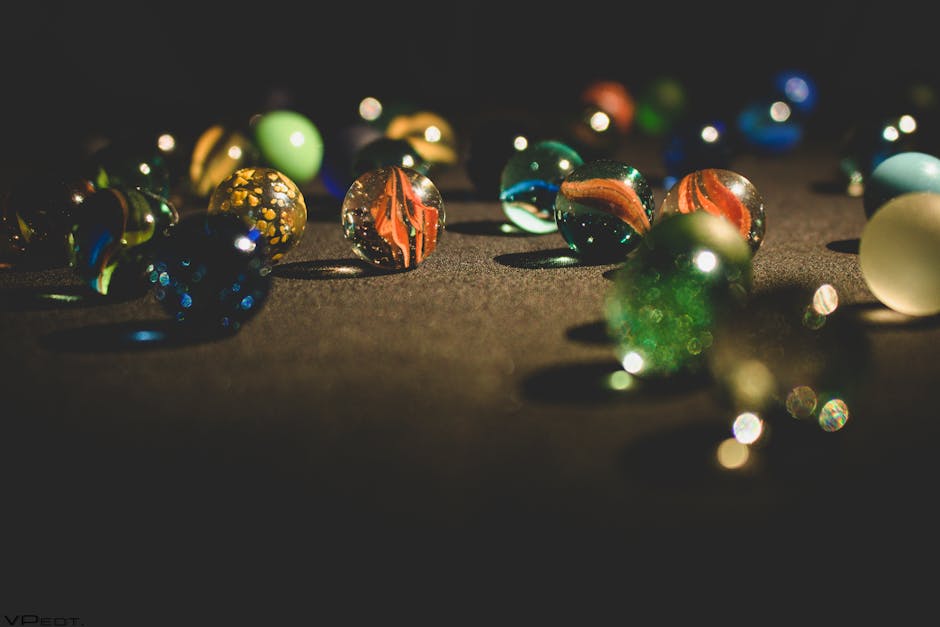
The marble collecting world has faced a significant challenge over the past two decades: an influx of Chinese-made marbles designed to mimic vintage German handmade and American machine-made styles. These modern reproductions flood online marketplaces, antique malls, and even reputable-seeming dealers, creating confusion for novice collectors and occasional headaches for experienced enthusiasts. Understanding how to identify these contemporary imitations protects both your collection’s authenticity and your investment.
The Modern Marble Manufacturing Boom
China’s emergence as a dominant marble producer began in earnest during the 1990s and accelerated dramatically in the 2000s. Manufacturers recognized the growing collector market for vintage marbles and responded by producing pieces that superficially resemble sought-after antique styles. Unlike legitimate contemporary art marbles clearly marketed as modern creations, these reproductions often enter the secondary market without clear disclosure of their recent manufacture.
The scale of production is staggering. Chinese factories produce millions of decorative glass marbles annually, employing both machine processes and hand-finishing techniques that can create surprisingly convincing superficial resemblance to vintage examples. These marbles appear at flea markets, online auctions, estate sales, and even mixed into lots with genuine vintage pieces, either through deliberate deception or innocent ignorance of their true origin.
Understanding the economic incentives clarifies why this flood continues. A Chinese-made marble costing pennies to produce might sell for five to twenty dollars when marketed as “vintage” or “antique,” while truly rare German handmade marbles command hundreds or thousands of dollars. This profit margin encourages continued production and creates strong motivation for unscrupulous sellers to misrepresent origins.
Common Reproduction Styles
Chinese manufacturers particularly target certain high-value vintage styles, recognizing which types command premium prices among collectors. Handmade swirl imitations represent perhaps the most common category, attempting to replicate the appearance of German ribbon swirls, latticinio patterns, and divided core designs. These reproductions often feature bright, garish colors and overly symmetrical patterns that reveal their machine-assisted origins despite surface appearances.
Sulphide reproductions constitute another prevalent category, embedding figures within clear or colored glass to mimic Victorian-era originals. Modern Chinese sulphides typically contain crude ceramic figures with poor detail resolution, lacking the crisp definition and artistic sophistication of authentic 19th-century examples. The embedded figures often appear obviously modern in subject matter, featuring cartoon characters, contemporary animals, or designs never found in genuine antique sulphides.
Cat’s eye imitations flood the market in enormous quantities, though these prove easier to identify than swirl reproductions. Most Chinese cat’s eyes feature extremely bright, synthetic-looking colors and vane structures that differ noticeably from vintage American Marble King or Vitro Agate examples. The glass quality often appears inferior, with excessive bubbles, cloudiness, or surface imperfections uncharacteristic of mid-century American production.
End-of-day style marbles with chaotic color combinations also appear frequently, capitalizing on collectors’ interest in these unique vintage pieces. Modern versions typically show colors that don’t blend naturally or feature overly perfect sphericity despite their supposedly handmade origins.
Red Flags and Identification Markers
Several telltale characteristics help identify Chinese reproductions with reasonable certainty. Glass quality provides the first major clue—modern Chinese marbles often exhibit glass that appears too clear, too perfectly transparent, or conversely, contains excessive small bubbles distributed uniformly throughout. Vintage glass typically shows subtle aging characteristics, slight color variations, and bubble patterns consistent with historical manufacturing methods.
Color palette offers another crucial diagnostic. Chinese reproductions frequently employ ultra-bright, almost fluorescent colors unknown in vintage production, particularly shocking pinks, electric blues, and neon greens. While examining color requires experience with authentic examples, these modern pigments often appear distinctly “wrong” even to relatively inexperienced eyes.
Pattern execution reveals production origins upon close examination. Chinese swirl marbles attempting to mimic handmade German examples often show patterns too perfect, too symmetrical, or too regular for true hand production. Conversely, some show patterns that appear randomly applied without the structural logic that governed authentic German glasswork. The swirls may start and stop unnaturally, colors may transition abruptly, or the overall composition may lack the organic flow characteristic of skilled handwork.
Size and weight can indicate modern manufacture. Many Chinese marbles feel slightly lighter than vintage examples of similar size, reflecting different glass formulations. Additionally, sizing often falls outside historical norms—reproduction “handmade” marbles may appear in suspiciously uniform dimensions or in sizes that would have been uncommon in actual vintage production.
Surface characteristics provide important clues. Modern Chinese marbles frequently show perfectly smooth surfaces without the subtle texture variations of aged glass. Some reproductions feature added artificial “pontil marks” created through grinding or molding rather than genuine gathering and cutting processes. These fake pontils appear too regular, too shallow, or positioned incorrectly for authentic handmade production.
Weathering and wear rarely appear convincing on reproductions. Sellers sometimes artificially age marbles through tumbling, acid treatment, or other processes, but experienced collectors recognize these artificial aging patterns. Genuine vintage marbles show wear consistent with decades of handling, storage, and play—scratches distributed naturally, dulling in specific patterns, and surface changes reflecting authentic use history.
The Pontil Problem
Chinese manufacturers have become increasingly sophisticated in creating false pontil marks, recognizing that many collectors use these features to authenticate handmade marbles. Modern reproductions may show ground areas or molded indentations designed to simulate gathering points, but close examination reveals their artificial nature.
Authentic pontil marks display specific characteristics: irregular edges where glass was severed, slight color variations around the cut point, tool marks from cold-rolling to minimize roughness, and positioning consistent with how craftsmen actually held marbles during production. Fake pontils often appear too symmetrical, too deeply ground, or positioned impossibly for actual manufacturing processes.
Some Chinese marbles show pontil marks on both poles of the marble with suspicious uniformity, something rarely seen in authentic German production where one pontil typically appears more prominent than the other. The surrounding glass may lack the subtle stress patterns or color concentration typical around genuine gathering points.
Marketplace Awareness
Chinese reproductions infiltrate the market through various channels, requiring vigilance across all purchasing venues. Online marketplaces including eBay, Etsy, and general auction sites contain numerous listings mixing modern Chinese marbles with vintage pieces, sometimes innocently but often deliberately. Sellers may use vague language like “vintage style” or “antique look” while posting in categories suggesting genuine age.
Antique malls and flea markets frequently stock Chinese reproductions alongside authentic merchandise. Booth operators may not possess expertise to distinguish modern from vintage, purchasing mixed lots that combine both. Even honest dealers can inadvertently sell reproductions when lacking specialized marble knowledge.
Estate sales occasionally feature Chinese marbles, particularly when included in collections assembled by uninformed accumulators who believed they were purchasing vintage pieces. The presence of genuine antiques elsewhere in an estate offers no guarantee that marbles are authentic.
Protection Strategies
Protecting yourself from Chinese reproductions requires developing expertise through study and hands-on experience. Handle authenticated vintage marbles whenever possible, building tactile and visual memory that photographs cannot provide. Attend marble shows where experienced collectors display verified examples, asking questions and comparing reproductions directly against authentic pieces.
Purchase from reputable specialized dealers who guarantee authenticity and possess deep knowledge of vintage marbles. While prices may be higher than online marketplaces, the assurance of genuine merchandise justifies the premium for serious collectors.
Study reference materials extensively, including specialized books, online collector forums, and museum collections. Understanding not just how vintage marbles look but why they look that way—comprehending historical manufacturing processes and limitations—enables logical evaluation of questionable pieces.
Approach unusual opportunities skeptically. Large quantities of supposedly rare marbles at below-market prices almost certainly indicate reproductions. Genuine vintage marbles, particularly sought-after types, rarely appear in bulk lots at bargain prices.
Join collector communities where experienced enthusiasts share knowledge and help identify reproductions. Online forums, social media groups, and regional clubs provide valuable resources for authentication questions and ongoing education.
The Ongoing Challenge
The Chinese marble reproduction phenomenon shows no signs of abating. As manufacturers become more sophisticated and collectors more educated, an ongoing arms race continues between increasingly convincing reproductions and increasingly discerning authentication methods. Staying current with reproduction trends, continuously refining identification skills, and maintaining healthy skepticism protect collectors from costly mistakes while preserving the integrity of serious collections.