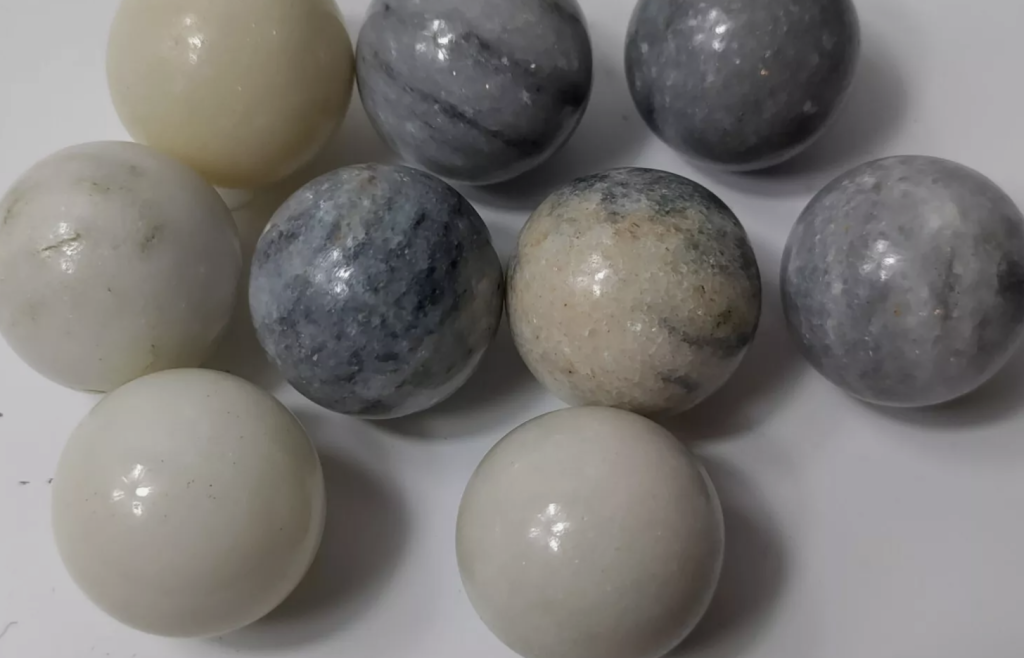

The Peltier Marble Company holds a revered place in the history of American toy marble production. Founded in the early 20th century, Peltier became one of the leading manufacturers of machine-made glass marbles in the United States, producing millions of high-quality marbles that are still prized by collectors today. Known for its innovation, craftsmanship, and distinctive designs, Peltier Marbles reflect the intersection of industrial progress, American entrepreneurship, and the enduring popularity of childhood games. This article explores the company’s history, products, techniques, and the lasting legacy that makes Peltier Marbles a key chapter in marble collecting.
The Founding of Peltier Marble Company
The Peltier Marble Company was established in early 1900s Ohio, a region that became a hub for glass manufacturing in the United States. The founder, George W. Peltier, recognized the growing demand for affordable, high-quality toy marbles as urban populations expanded and recreational activities for children became more commercialized. By combining innovative machinery with traditional glass techniques, Peltier was able to mass-produce marbles at a scale that smaller workshops could not match.
The company’s early focus was on machine-made glass marbles, which were rapidly gaining popularity over handmade marbles imported from Germany. While imported German marbles were prized for their artistry, they were expensive and limited in supply. Peltier Marbles offered consistency, affordability, and quality that helped them dominate the U.S. market.
Early Production and Innovations
Peltier Marble Company was known for its technological innovation. The company invested in early marble-making machines that could produce uniform glass spheres efficiently. These machines allowed for precise control of color patterns, size, and quality, creating marbles that were highly consistent and appealing to children and collectors alike.
Some of the key innovations included:
- Corkscrew Patterns: Peltier specialized in swirled color patterns, often referred to as corkscrew or ribbon marbles. These became a hallmark of the brand.
- Swirl and Rainbo Styles: The company experimented with swirled marbles and marbles with layered “rainbo” patterns, which were particularly popular in mid-20th century.
- Machine Precision: Unlike earlier handmade marbles, Peltier Marbles were perfectly round and polished, with minimal air bubbles, making them ideal for both play and collection.
Peltier Marbles were primarily made from soda-lime glass, a material that was both durable and suitable for vibrant colors. Over the years, the company refined its formulas to improve clarity, color depth, and resistance to chipping.
Popular Peltier Marble Designs
Collectors recognize Peltier Marbles by their distinctive patterns and color combinations. Some of the most popular styles include:
- Swirl Marbles – Multi-colored spirals encased in clear glass, often with white or colored ribbons.
- Rainbo Marbles – Transparent or semi-transparent marbles with streaked, layered colors resembling rainbows.
- Corkscrew Marbles – Twisted color ribbons that appear to spiral inside the glass sphere.
- Clear Core Marbles – Marbles with a solid-colored core encased in clear glass, allowing the core to stand out.
These designs reflected both aesthetic appeal and play functionality, as children could easily see and distinguish each marble during games.
Peltier Marble Company in the Market
During the first half of the 20th century, Peltier Marbles were sold across the United States in five-and-dime stores, general stores, and department stores. The company also supplied vending machines, a common way children purchased marbles during that era.
Peltier’s competitive advantage came from its ability to produce high-quality, uniform marbles at scale, which allowed them to dominate the domestic market and compete effectively against imported German marbles and other U.S. manufacturers such as Akro Agate and Christensen Agate.
Marketing often emphasized colorful, vibrant designs and durability, appealing both to children who wanted toys for play and to parents who sought value for money. By the 1920s and 1930s, Peltier Marbles were widely recognized as one of the premier brands in the U.S. marble industry.
Decline and Legacy
The mid-20th century brought significant changes to the toy market. The introduction of plastic marbles, mass-produced toys, and electronic games gradually reduced the demand for glass marbles. While Peltier Marble Company continued production for several decades, it eventually could not compete with cheaper plastic alternatives and shifting consumer preferences.
Despite its decline, the legacy of Peltier Marbles endures. Today, Peltier Marbles are highly sought by collectors for several reasons:
- Historical Significance – As one of the early American machine-made marble companies, Peltier played a critical role in establishing U.S. dominance in marble manufacturing.
- Distinctive Designs – Many of Peltier’s swirl, corkscrew, and rainbo marbles are considered collectible due to their vibrant colors and intricate patterns.
- Durability and Quality – Unlike some mass-produced marbles, Peltier’s glass marbles have endured the test of time, making them visually appealing for collectors.
Identifying Peltier Marbles
Collectors can identify Peltier Marbles through several key characteristics:
- Seams – Early Peltier machine-made marbles often show faint seams from the manufacturing process.
- Patterning – Swirl, corkscrew, and rainbo patterns are signature designs.
- Glass Clarity – Peltier used high-quality soda-lime glass, resulting in a polished, clear finish.
- Size and Weight – Uniform sizes and balanced weight distinguish Peltier Marbles from handmade or lower-quality machine-made marbles.
Reference guides, collector forums, and historical catalogs often provide visual aids for identifying authentic Peltier Marbles.
Peltier Marbles in the Collector Market
The collector market for Peltier Marbles remains active today. Values vary depending on:
- Condition – Marbles without chips, cracks, or scratches command higher prices.
- Pattern Rarity – Some swirl or corkscrew designs are rarer than others, increasing desirability.
- Age – Early Peltier Marbles from the 1910s–1930s are generally more valuable than later mass-produced examples.
- Completeness – Sets or collections in original packaging are particularly prized.
Typical values range from $5–$50 for common Peltier Marbles to $100 or more for rare or early examples, especially those in excellent condition.
Caring for Peltier Marbles
Proper care preserves both appearance and value:
- Storage – Separate marbles using padded compartments to prevent chipping.
- Cleaning – Use soft, damp cloths; avoid abrasive cleaners.
- Display – Use glass or acrylic cases to showcase patterns while protecting the marbles.
Maintaining a collection carefully ensures that Peltier Marbles continue to be appreciated by future generations.
Conclusion
The Peltier Marble Company is a cornerstone of American marble manufacturing history. From its early innovations in machine-made glass marbles to its distinctive swirl, corkscrew, and rainbo designs, Peltier Marbles captured the imagination of children and collectors alike. Today, these marbles remain highly collectible, cherished for their vibrant colors, historical significance, and enduring quality. For marble enthusiasts, Peltier Marbles offer both a tangible link to the early days of American toy production and a fascinating example of the artistry and ingenuity of machine-made glass.
Whether collected for nostalgia, investment, or pure appreciation, Peltier Marbles continue to hold a special place in the world of marble collecting, reminding us of a time when a small glass sphere could provide endless hours of play, wonder, and joy.