British Pottery Marbles: Regional Variations Across England and Scotland
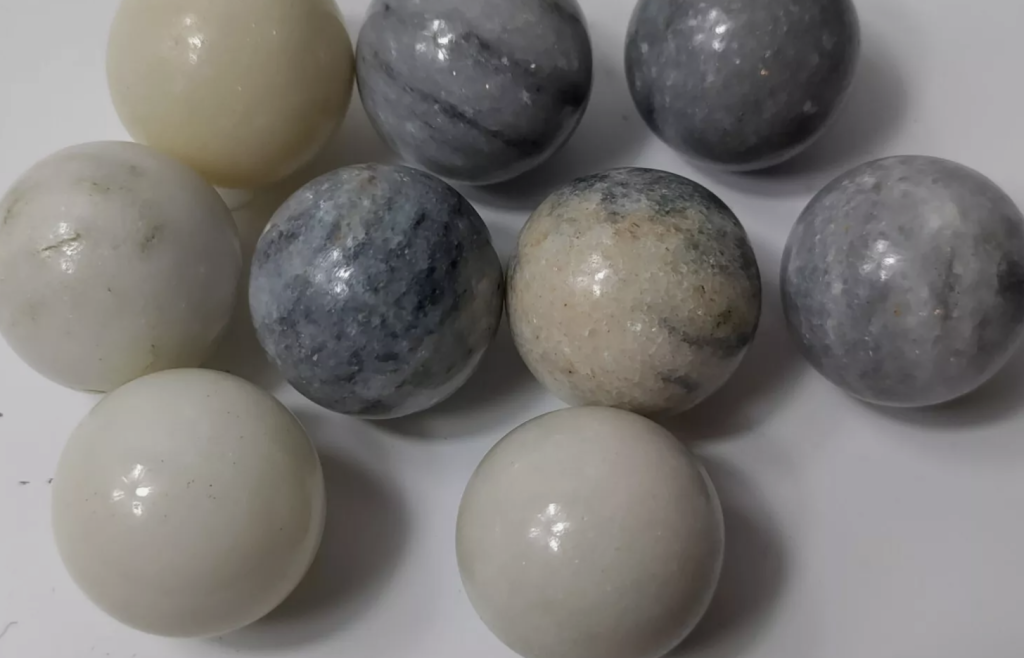
Long before glass marbles dominated British playgrounds, children across England and Scotland rolled, shot, and traded pottery marbles crafted from local clays in regional potteries. These humble ceramic spheres, produced from the late 18th century through the early 20th century, reflect Britain’s rich pottery heritage and reveal fascinating regional variations in materials, decoration, and manufacturing techniques. Understanding these differences illuminates not just marble history but broader patterns of British industrial development, trade networks, and regional craft traditions.
The Staffordshire Tradition: England’s Pottery Heartland
The Staffordshire region, centered around Stoke-on-Trent, dominated British pottery production for centuries, and marble manufacturing formed a small but significant part of this vast industry. Staffordshire pottery marbles typically utilized the same clays and glazing techniques employed for the region’s famous ceramics, creating marbles that share aesthetic and technical characteristics with Staffordshire’s broader output.
Common Staffordshire marbles featured simple earthenware construction with minimal decoration, reflecting their status as inexpensive children’s toys. These utilitarian pieces typically measured between 1/2 and 5/8 inch in diameter, sized appropriately for common marble games. The clay color ranged from buff to reddish-brown depending on local clay sources and firing temperatures, with many examples showing the natural terra cotta tones characteristic of Staffordshire earthenware.
Glazed Staffordshire marbles demonstrated greater refinement, featuring lead glazes in colors including brown, green, cream, and blue. The glazing process served both aesthetic and practical purposes, creating colorful surfaces while making marbles more durable and resistant to moisture absorption that could cause unglazed clay to deteriorate. Multi-colored glazed examples, with swirls or mottled effects created through glaze manipulation, represent higher-quality Staffordshire production.
Some Staffordshire potteries produced decorated marbles featuring hand-painted designs, transfer prints, or applied decorative elements. These premium pieces often mimicked popular ceramic decoration styles of their era, including floral motifs, geometric patterns, or simple banding. Such decorated marbles likely served more as display pieces or special prizes rather than everyday playthings, given the additional labor and cost involved in their production.
The weight and density of Staffordshire pottery marbles distinguish them immediately from glass examples. The substantial heft of ceramic marbles affected gameplay, as their greater mass changed throwing dynamics and impact characteristics compared to lighter glass marbles. This weight difference meant pottery and glass marbles often weren’t mixed in games, maintaining separate traditions even after glass became widely available.
Yorkshire and Northern England: Industrial Innovation
Yorkshire’s pottery industry, particularly around the Leeds and Castleford areas, produced marbles that reflect the region’s industrial character. Yorkshire pottery marbles often exhibit characteristics of the region’s creamware and pearlware traditions, though most examples intended for children’s play remained relatively simple.
Yorkshire marbles frequently feature lighter-colored clays than Staffordshire examples, ranging from cream to pale buff tones. This color difference reflects Yorkshire’s access to different clay deposits, particularly the pale-firing clays that made the region famous for creamware production. Many Yorkshire marbles received clear or pale glazes that allowed the light clay color to show through, creating subtle, elegant appearances.
The Liverpool pottery region contributed its own variations, with some manufacturers producing marbles alongside transfer-printed wares. Liverpool marbles occasionally featured the blue and white color schemes popular in the city’s ceramics, creating pieces that functioned as miniature examples of regional pottery traditions.
Northern England’s industrial potteries sometimes produced marbles as secondary products, utilizing excess clay and kiln space during larger production runs. This opportunistic manufacturing meant marble quality varied considerably, from carefully crafted pieces to hastily formed spheres that barely met roundness standards. Collectors can sometimes identify these industrial by-products through their irregular shapes, uneven glazing, or clay impurities that better-controlled production would have eliminated.
Scotland: Distinctive Regional Character
Scottish pottery marbles developed distinctive characteristics that reflect the country’s separate pottery traditions and regional preferences. Scottish production centered primarily around Glasgow, Edinburgh, and smaller pottery centers throughout the Lowlands, each contributing unique variations to the broader category of British pottery marbles.
Scottish earthenware marbles often utilized darker, more iron-rich clays than English counterparts, producing marbles in deep red-brown to almost purple-brown tones when fired. These distinctive clay colors make Scottish marbles readily identifiable to experienced collectors, as the particular shade rarely appears in English production.
Glasgow potteries produced both utilitarian and decorative marbles, with some manufacturers creating pieces that reflected the city’s status as an industrial and commercial center. Glasgow marbles sometimes feature harder, more vitrified bodies than softer English earthenware, resulting from higher firing temperatures or different clay formulations. This harder ceramic body created more durable marbles that withstood rough play better than softer alternatives.
Spongeware decoration appeared on some Scottish marbles, utilizing the sponge-dabbed glazing technique popular in Scottish pottery more broadly. These marbles feature mottled or spotted glaze effects in colors including blue, green, and brown, creating visually interesting surfaces through simple, economical decoration methods. Spongeware marbles represent distinctly Scottish production, as this decoration style appeared far less frequently in English marble manufacturing.
Edinburgh and East Coast production sometimes incorporated influences from Continental European pottery traditions, particularly German and Dutch ceramics. Some Scottish marbles show glazing techniques or decoration styles that suggest knowledge of European methods, possibly introduced through trade connections or immigrant craftsmen working in Scottish potteries.
The size distribution of Scottish marbles occasionally differs from English norms, with some Scottish manufacturers producing slightly larger average sizes. Whether this reflects different game preferences, marketing strategies, or simply individual manufacturer choices remains unclear, but collectors note that Scottish pottery marbles measuring 3/4 inch or larger appear with greater frequency than comparable English examples.
Welsh Production: Limited but Distinctive
Wales contributed modestly to British pottery marble production, with small potteries in South Wales and along the border regions creating marbles primarily for local markets. Welsh pottery marbles remain relatively scarce in collections, making them particularly interesting to specialists focusing on regional variations.
Welsh marbles typically feature characteristics of regional pottery traditions, including the use of local clays that fire to distinctive colors. Some Welsh examples show reddish clays similar to Staffordshire earthenware, while others utilize grayer clays that create different visual effects when glazed.
Decoration on Welsh marbles remained generally simple, reflecting their production by small potteries without the resources for elaborate decoration. Simple glazes in earth tones predominated, though occasional examples show more ambitious decoration suggesting special commissions or experimental production.
Dating and Authentication
Determining the age and origin of British pottery marbles requires examining multiple characteristics simultaneously. Clay color and texture provide initial clues about regional origin, with Staffordshire’s reddish earthenware, Yorkshire’s pale creamware clays, and Scotland’s dark iron-rich clays each creating distinctive appearances.
Glaze characteristics help narrow dating, as glaze chemistry and application techniques evolved throughout the 19th and early 20th centuries. Early examples often feature thick, uneven glazes with crazing (fine surface cracks), while later production shows more controlled glazing with better adhesion and smoother surfaces.
Wear patterns indicate authentic age and use, as pottery marbles show characteristic damage including glaze chips, surface abrasion, and clay exposure through worn areas. Artificially aged reproductions rarely replicate the specific wear patterns that result from decades of actual play and storage.
Manufacturing marks rarely appear on pottery marbles due to their small size and utilitarian nature, making attribution to specific potteries difficult. However, marbles discovered in documented contexts—pottery waste heaps, factory sites, or well-provenanced collections—provide crucial reference examples for identifying similar unmarked pieces.
Collecting Regional Variations
Building a collection focused on British pottery marble regional variations offers fascinating challenges and rewards. The relative scarcity of pottery marbles compared to later glass production means finding examples in good condition requires patience and persistence. Regional variations add another layer of difficulty, as distinguishing Scottish from English examples demands developing expertise through handling authenticated pieces and studying clay and glaze characteristics.
Values for British pottery marbles remain modest compared to rare glass examples, making this an accessible collecting specialty. Most common pottery marbles sell for just a few pounds, while exceptional decorated examples or rare regional variations might reach £20-50. This affordability allows collectors to acquire representative examples from multiple regions while building knowledge and expertise.
The historical significance of British pottery marbles extends beyond their role as children’s toys. These humble objects document regional pottery industries, clay sources, glazing traditions, and manufacturing techniques that connected to broader British ceramic production. Each pottery marble represents a small piece of Britain’s industrial heritage, preserving in miniature the craftsmanship and regional variations that characterized British pottery at its peak.