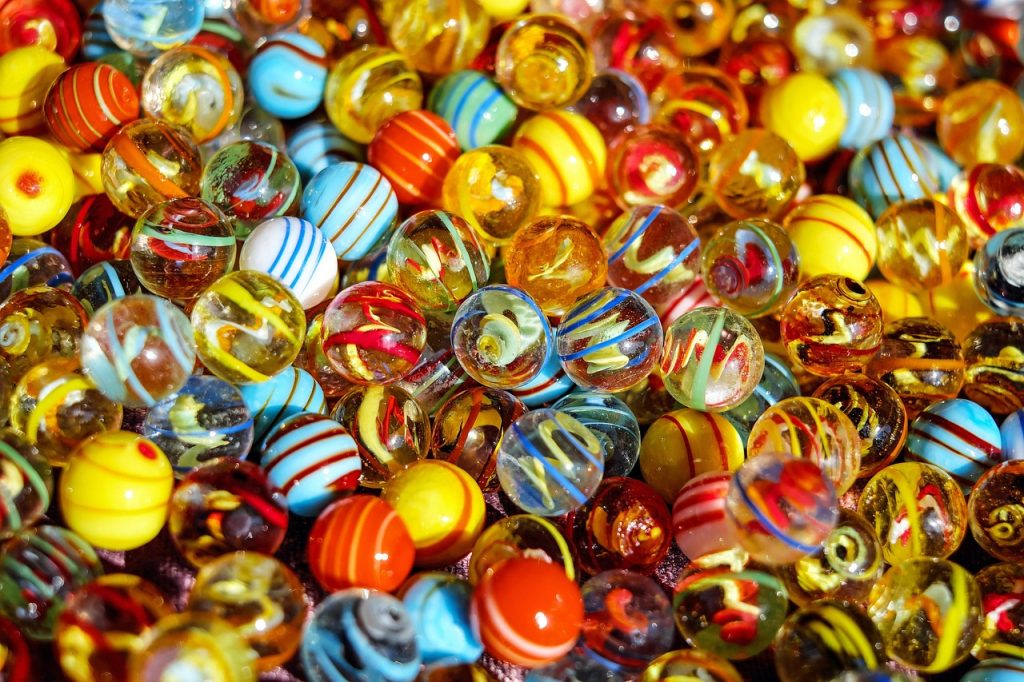
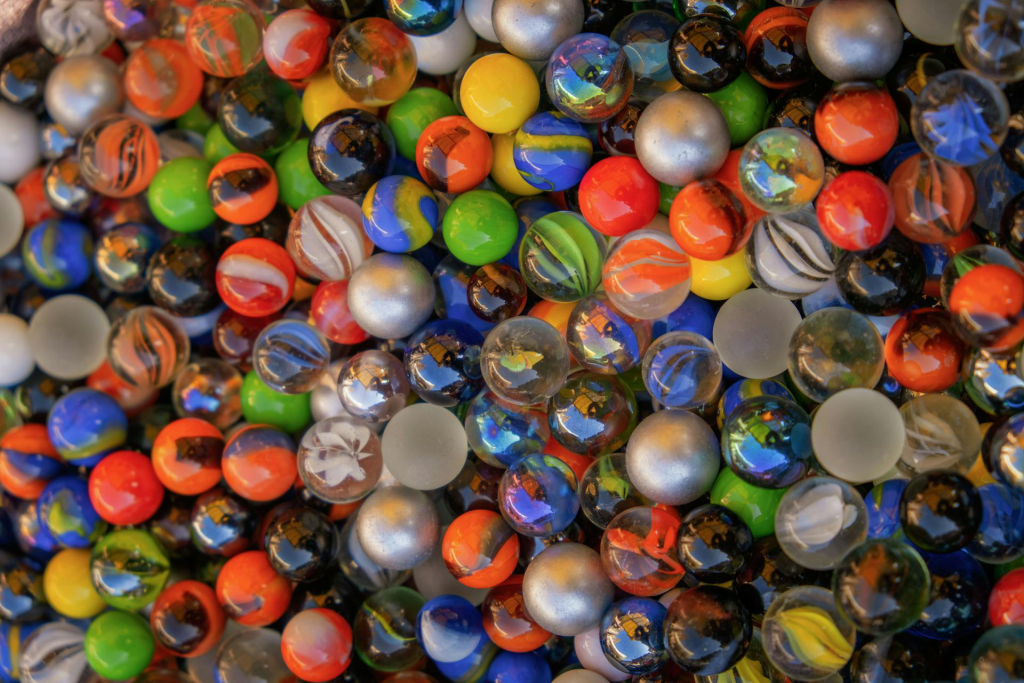
Antique marbles, those small spheres of glass that once served as children’s playthings, they have evolved into highly sought-after collectibles. Dating back to the 19th century and earlier, these items captivate enthusiasts with their intricate designs, vibrant colors, and historical significance. From German handmade swirls to American machine-made varieties, antique marbles represent a niche yet passionate corner of the antiques market. However, one critical factor that can dramatically alter their worth is surface damage. Chips, flakes, and other imperfections not only mar the aesthetic appeal but also significantly diminish monetary value. This article delves into the assessment of such damage, exploring its types, evaluation methods, and profound effects on valuation, providing essential insights for collectors and appraisers alike.
To understand the impact of surface damage, it’s vital first to appreciate what makes antique marbles valuable. Marbles are categorized by type, manufacturer, age, material, and rarity. Handmade marbles from the 1800s, such as those produced in Germany, often feature pontil marks—rough spots where the glass was snapped off the rod during crafting. Prized examples include Lutz marbles with swirling copper flakes, sulphides embedding clay figures in clear glass, and milk glass opaques. Machine-made marbles, emerging around the early 1900s from companies like Akro Agate or Christensen Agate, introduced uniform swirls and patterns like the Guinea with stretched colored flecks. Values can range from a few dollars for common pieces to thousands for rare, pristine specimens. For instance, a mint-condition Lutz might fetch $500 or more, while a sulphide with an embedded animal could exceed $1,000.
Surface damage arises primarily from use, age, or manufacturing flaws. In the context of play, marbles were shot against each other, leading to impacts that cause various imperfections. Collectors distinguish between “as-made” issues—factory anomalies like bubbles or uneven pontils—and post-production damage from handling or environmental factors. The most common damages are chips and flakes, which directly affect the marble’s integrity and eye appeal.
Chips are perhaps the most severe form of surface damage. These occur when a piece of glass breaks away, creating a deep, angular divot. Chips are often the result of hard impacts during games or careless storage. They can vary in size from pinprick fleabites to larger craters that expose the inner glass layers. According to marble grading guides, even a small chip on a machine-made marble can reduce its value by over 50%. For example, a near-mint Akro Agate corker with a minor chip might drop from $50 to $20 or less. Handmade marbles are somewhat more forgiving due to their inherent irregularities, but significant chips still devalue them substantially. Appraisers note that chips not only disrupt the smooth surface but can also lead to further cracking if the marble is stressed.
Flakes, on the other hand, are shallower imperfections where thin layers of glass have been sheared off. These resemble scales or peels and are typically caused by glancing blows or abrasions. Flakes might not penetrate as deeply as chips but can cover larger areas, dulling the shine and altering light refraction in colorful designs. In Lutz marbles, where copper flakes are embedded for sparkle, surface flakes can mimic design elements, complicating assessment. However, true damage flakes lack the intentional integration and often appear irregular. Grading systems classify flakes alongside bruises—dull spots from impacts without material loss—and subsurface moons, which are crescent-shaped fractures just below the surface. A marble with multiple flakes might be downgraded from “mint” to “good,” slashing its price by 30-70% depending on visibility.
Other related damages include pitting, scratches, and wear. Pitting involves tiny craters from corrosion or embedded dirt, common in dug-up marbles exposed to soil acids. Scratches from pocket carry or display can haze the polish, reducing luster. Subsurface damage like moons or reflections (internal cracks) might not alter the outer feel but affects transparency and value similarly. Environmental factors, such as extreme temperatures causing annealing cracks or UV fading colors, compound these issues. Collectors must differentiate these from desirable “as-made” features, like surfaced bubbles in handmade pieces, which can actually enhance rarity without devaluing.
Assessing surface damage requires a systematic approach, often using standardized grading scales adopted by auction houses and collectors’ groups. One common system ranges from 10.0 (absolute mint, unused) to below 7.0 (heavily damaged). For instance:
- Mint (9.0-10.0): No visible damage; may have minor as-made flaws. Ideal for top values.
- Near Mint (8.0-8.9): Minimal signs of use, such as tiny pinprick chips or light scratches. Value retains 80-90% of mint.
- Good (7.0-7.9): Noticeable damage covering up to 50% of the surface, including small chips, flakes, or moons. Value drops to 50-70%.
- Fair/Poor (below 7.0): Extensive chips, flakes, or fractures; more than half the surface affected. Often worth only 10-30% of undamaged counterparts.
To evaluate, experts recommend examining under magnification (10x loupe) in good lighting, rotating the marble to check all angles. Look for symmetry in damage—play wear is often clustered on one side—versus uniform factory issues. Polished versus wet surfaces can reveal hidden flaws; wetting mimics the original shine. Professional appraisers like Dr. Lori emphasize that surface integrity is paramount, as damage signals a marble’s history of abuse.
The impact on value is profound and multifaceted. For machine-made marbles, which prioritize perfection, any chip or flake can render them nearly worthless to purists. A Christensen Agate Guinea in mint condition might sell for $100, but with a flake, it could fetch just $20. Handmade antiques tolerate more, as their value stems from craftsmanship and age. A German swirl with a small chip might still command $200 if rare, compared to $400 undamaged. Rarity amplifies this: ultra-rare sulphides lose less proportionally from minor damage due to scarcity. Market data from auctions shows damaged marbles often sell at 20-60% discounts. For example, Block’s Marble Auctions grades reveal that a 9.0 Lutz might auction for $600, while an 8.0 with flakes goes for $300.
Beyond direct devaluation, damage affects liquidity—damaged pieces take longer to sell. Collectors prefer investments that appreciate, and pristine marbles do so faster. However, some embrace “dug” marbles with authentic patina, valuing history over perfection, though these command lower prices.
For aspiring collectors, prevention and informed buying are key. Store marbles in padded cases away from direct light and humidity. Clean gently with soap and water, avoiding abrasives that could scratch. When purchasing, request detailed photos and condition reports. Join communities like marblecollecting.com for peer advice. Appraisals from experts ensure accurate valuation, considering damage alongside other factors.
In conclusion, surface damage like chips and flakes is a collector’s bane, transforming treasures into mere trinkets by eroding both beauty and worth. Yet, understanding assessment empowers enthusiasts to navigate the market wisely. Whether hunting for mint Lutz or appreciating a battle-scarred swirl, recognizing damage’s role ensures informed decisions. Antique marbles endure as symbols of nostalgia, but their value hinges on preservation—proving that in collecting, condition is king.