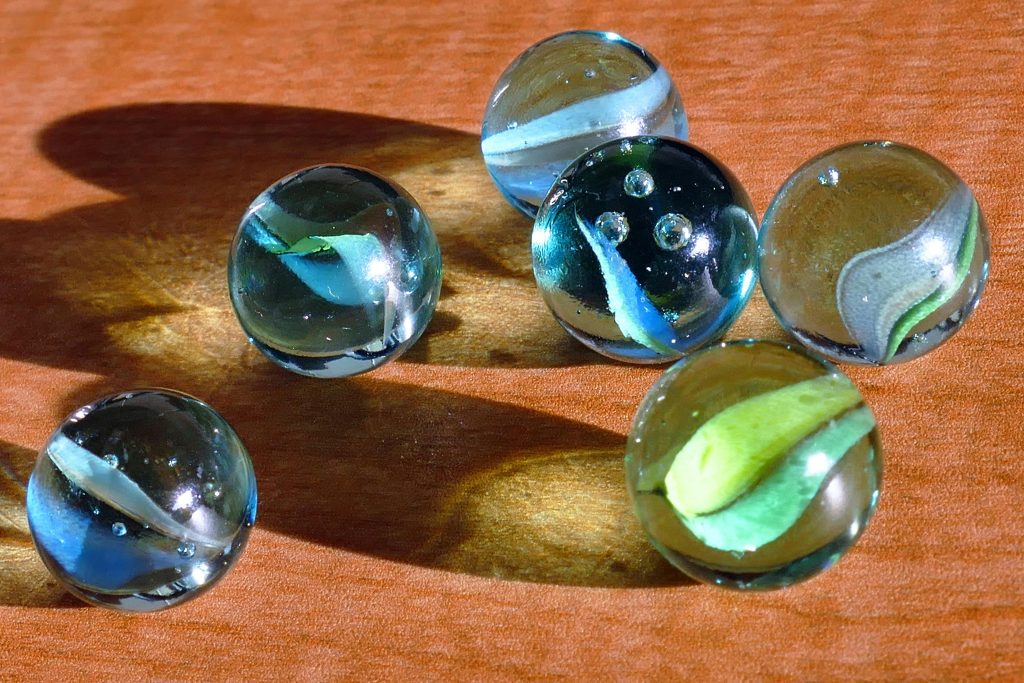

Collecting toy glass marbles is a hobby that combines history, artistry, and nostalgia. From the handmade German marbles of the 19th century to machine-made marvels of the 20th, marbles have fascinated children and adults alike. For beginners, starting a marble collection can seem daunting due to the vast number of styles, materials, and historical periods. This guide provides a comprehensive overview of what every new collector should know to begin their journey confidently.
Understanding the Types of Marbles
Before purchasing, it’s essential to know the primary types of marbles:
- Handmade Glass Marbles – Produced by skilled artisans, usually in Germany and Austria in the 1800s and early 1900s. Each marble is unique with slight variations in pattern, shape, and color. Pontil marks (small rough spots where the glass rod was cut) are characteristic of handmade marbles.
- Machine-Made Glass Marbles – Introduced in the early 20th century, mainly in the United States. They are perfectly round, with smooth seams and consistent patterns. Early machine-made marbles often have faint seams and distinctive color swirls, corkscrews, or patches.
- Clay and Stone Marbles – Less common today but historically significant. Clay marbles were molded and fired, often uniform in size but less glossy. Stone marbles were hand-ground and polished.
- Contemporary or Art Marbles – Modern, handmade studio glass marbles created by artists. These often feature intricate patterns, implosions, and layered designs and are highly collectible.
Tools Every Beginner Needs
Collecting marbles doesn’t require extensive tools, but some items make it easier:
- Magnifying glass or loupe: Helps examine patterns, seams, and imperfections.
- Soft gloves: Prevent oils and dirt from damaging glass marbles.
- Storage containers: Compartments, display trays, or soft cloth bags keep marbles separated and safe.
- Reference guides: Books, catalogs, or online databases to help identify and date marbles.
Learning to Identify Marbles
Identification is crucial for collectors. Beginners should focus on:
- Seams: Machine-made marbles typically have faint seam lines; handmade marbles usually have no seam but a pontil mark.
- Pattern style: Swirls, corkscrews, onionskin, ribbon, or implosion patterns can help identify origin and era.
- Size and weight: Early handmade marbles often vary slightly; machine-made marbles are highly uniform.
- Color and transparency: Antique marbles may show more subtle or muted tones, while modern reproductions can be vibrant.
Starting a Collection
- Set a focus: Decide whether to collect antique, machine-made, or contemporary art marbles. Beginners often start with a mix to explore interest.
- Start small: Buy a few marbles from reputable sources to learn identification, care, and value.
- Document your collection: Note the type, size, pattern, manufacturer (if known), and acquisition source. Photos help track provenance.
Where to Acquire Marbles
- Online marketplaces: eBay, Etsy, or specialized marble auction sites.
- Antique shops and flea markets: Can yield unique finds at reasonable prices.
- Marble shows and conventions: Provide opportunities to meet experts and examine rare pieces firsthand.
- Direct from artists: For contemporary marbles, buying from artists ensures authenticity.
Caring for Your Marbles
Glass is durable but can chip or scratch. Store marbles separately in padded compartments. Avoid washing antique marbles with harsh chemicals, as it can damage surface patinas. Handle only with clean hands or gloves, and avoid prolonged exposure to sunlight, which may fade colors.
Learning Resources
- Books and guides: “The Book of Marbles” by Allan Michaan or “Marbles: The Collector’s Guide” provide identification and valuation tips.
- Online communities: Forums and Facebook groups connect beginners with experienced collectors.
- Museums and exhibits: Some institutions display historic marble collections, offering insight into patterns and techniques.
Common Mistakes to Avoid
- Buying solely on price; authenticity and condition are more important.
- Focusing only on quantity; quality and significance matter more for long-term value.
- Neglecting proper storage; even a small chip can reduce a marble’s value dramatically.
Conclusion
Collecting toy glass marbles is a rewarding hobby that combines history, art, and nostalgia. Beginners should start by learning the types of marbles, identifying key characteristics, and acquiring a small, focused collection. With care, research, and patience, even a modest collection can grow into a valuable and cherished assortment of historic and artistic glass marbles.