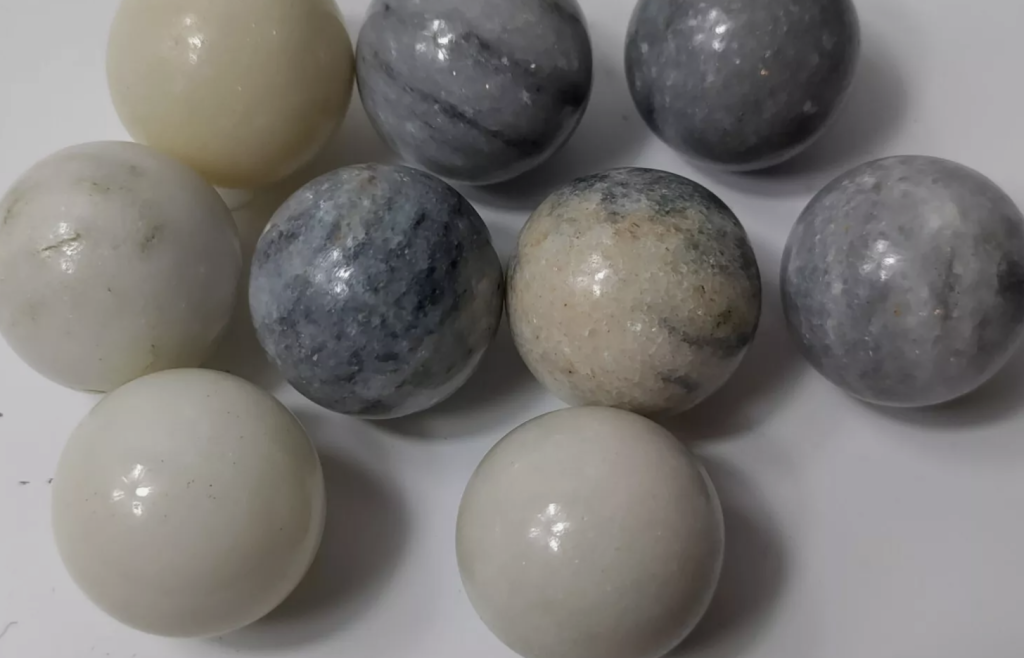

The period from the 1920s through the 1950s is often referred to as the Golden Age of American marbles. During these decades, marble manufacturing in the United States reached unprecedented levels, fueled by industrial innovation, increasing childhood leisure time, and growing consumer markets. This era produced some of the most collectible and recognizable marbles in the world, from machine-made swirls and corkscrews to rare handmade art pieces. Understanding this golden age provides insight into both the cultural significance of marbles and the history of American toy manufacturing.
The Rise of Marble Popularity in America
Marbles were introduced to the American market primarily through imports from Germany in the late 19th century. These early marbles, often handmade and elaborately patterned, were expensive and difficult to obtain. By the 1920s, however, American manufacturers had begun producing machine-made glass marbles domestically, reducing costs and increasing accessibility for children across the country.
The 1920s marked a cultural shift in the United States. Urbanization and rising disposable income meant children had more leisure time and parents sought affordable toys. Marbles were perfect: small, inexpensive, and capable of endless imaginative play. This demand set the stage for a booming domestic marble industry.
Key American Marble Companies of the Era
Several companies emerged as leaders in the Golden Age of American marbles, each contributing innovations and unique designs:
- Akro Agate Company
Founded in Akron, Ohio, Akro Agate became famous for its rainbo marbles, vibrant swirls of opaque and translucent glass, and a wide variety of colors. Akro’s innovations included machine precision that allowed for perfectly round marbles with consistent patterns, appealing to both children and collectors. - Peltier Marble Company
Known for high-quality swirl and corkscrew marbles, Peltier produced millions of marbles for mass consumption while maintaining excellent craftsmanship. Peltier’s marbles were prized for their smooth finish, uniform size, and bright colors. - Christensen Agate Company
Though slightly smaller, Christensen Agate made notable contributions with Corky and Lutz marbles, including larger shooter marbles. Their attention to color combinations and creative patterns made them stand out among mid-century collectors. - Other Notable Manufacturers
Smaller companies such as Millville, SS, and Rainbo also produced unique marbles, sometimes experimenting with novel colors, glass blends, or patterns. While not as widely recognized as Akro or Peltier, these smaller firms added diversity and experimentation to the industry.
Technological Innovations
The Golden Age of American marbles coincided with advances in industrial automation. Key innovations included:
- Automated Roller Machines: Machines could produce hundreds of marbles per minute, uniformly spherical and polished, with precise color patterns.
- Layered Color Techniques: Multiple glass colors could be fused to create intricate swirls, corkscrews, and ribbon designs.
- Mass Production Efficiency: Standardized sizes and finishes allowed companies to sell marbles in bulk, making them more accessible to children and schools.
These technological improvements reduced production costs while maintaining visual appeal, allowing American companies to compete with German imports.
Popular Patterns and Types
Several marble types became iconic during this period:
- Swirl Marbles
Color ribbons twisted inside clear or opaque glass. Swirls became a standard pattern for Akro and Peltier. - Corkscrew Marbles
Thin ribbons of color spiraled within a marble, producing a visually striking effect. - Rainbo Marbles
A trademark of Akro Agate, these featured translucent glass with vibrant colored streaks. - Lutz and Shooters
Larger marbles designed for games like “Ringer” or “Keepsies,” often brightly colored and heavy enough to strike smaller marbles effectively. - Opaque, Agate, and Cat’s-Eye Marbles
These simple yet colorful marbles remained popular for play, often sold in bulk.
Collectors today prize the combination of visual beauty, historical significance, and playability in Golden Age marbles.
Cultural and Social Impact
Marbles during the Golden Age were more than toys; they were a cultural phenomenon. Children played in schools, playgrounds, and neighborhood streets, engaging in games that built social skills, strategy, and friendly competition. Marbles also became status symbols, with rare patterns commanding respect among peers.
Advertising reinforced marble popularity. Toy catalogs, newspaper ads, and department store displays promoted colorful, affordable sets. Companies marketed marbles not only as toys but also as collectible items, encouraging children to build large, organized assortments.
The Golden Age also coincided with post-war economic expansion. During the 1940s and 1950s, marble production thrived alongside the broader boom in toys, games, and children’s entertainment. Marbles were inexpensive, portable, and durable, making them ideal for families seeking quality toys during times of economic recovery.
Collectibility and Value Today
Marbles from the 1920s–1950s are highly collectible. Several factors affect their value:
- Condition: Chips, cracks, or scratches lower value. Marbles with original packaging are particularly prized.
- Rarity: Unique patterns, limited colors, or early production runs command higher prices.
- Manufacturer: Akro Agate, Peltier, and Christensen marbles generally fetch the highest prices.
- Pattern Complexity: Swirls, corkscrews, and layered designs are more valuable than simple opaque or cat’s-eye marbles.
Collectors typically pay $5–$50 for common mid-century marbles, while rare, early, or unusually large examples can exceed $200–$500 per marble. Complete sets, event promotions, or marbles with historical documentation can reach even higher prices at auction.
Tips for Collecting Golden Age Marbles
- Focus on Condition
Handle marbles carefully, store in padded compartments, and avoid exposure to sunlight or abrasive surfaces. - Learn to Identify Patterns
Study reference books, guides, and online databases to recognize manufacturer patterns and unique designs. - Buy From Reputable Sources
Antique shops, specialized marble auctions, and collector networks are safer than online marketplaces where reproductions may appear. - Start Small
Begin with a few well-chosen examples to learn identification, then expand into rarer or larger collections. - Document Your Collection
Record the manufacturer, size, pattern, purchase date, and condition. Photos help track provenance and authenticity.
Preserving the Golden Age Legacy
Preserving Golden Age American marbles involves both careful storage and education. Museums, private collections, and online communities ensure that knowledge about manufacturers, patterns, and history is passed on to new generations. Collectors who maintain their collections responsibly contribute to the ongoing appreciation of American craftsmanship and the cultural significance of mid-century childhood play.
Marbles from this era are tangible artifacts of a time when toys were simpler yet deeply beloved. They reflect American industrial ingenuity, the rise of mass-market consumer goods, and the enduring universal appeal of a small glass sphere.
Conclusion
The 1920s–1950s represent the Golden Age of American marbles, a period when production, design, and culture converged to create some of the most collectible marbles in history. Companies like Akro Agate, Peltier Marble Company, and Christensen Agate set new standards in quality, pattern innovation, and mass production.
Collecting marbles from this era offers both nostalgia and historical insight. From rare, one-of-a-kind swirls to common bulk marbles, enthusiasts can appreciate the artistry, ingenuity, and cultural significance behind each piece. For collectors today, Golden Age marbles are more than toys—they are vibrant relics of American childhood, craftsmanship, and the enduring charm of glass in motion.