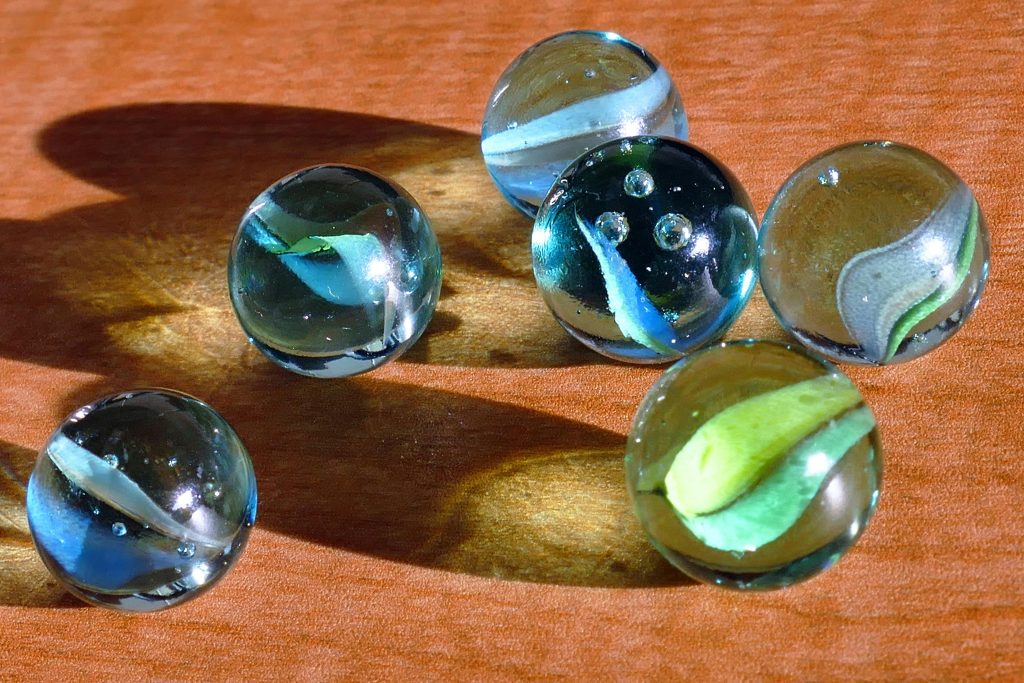
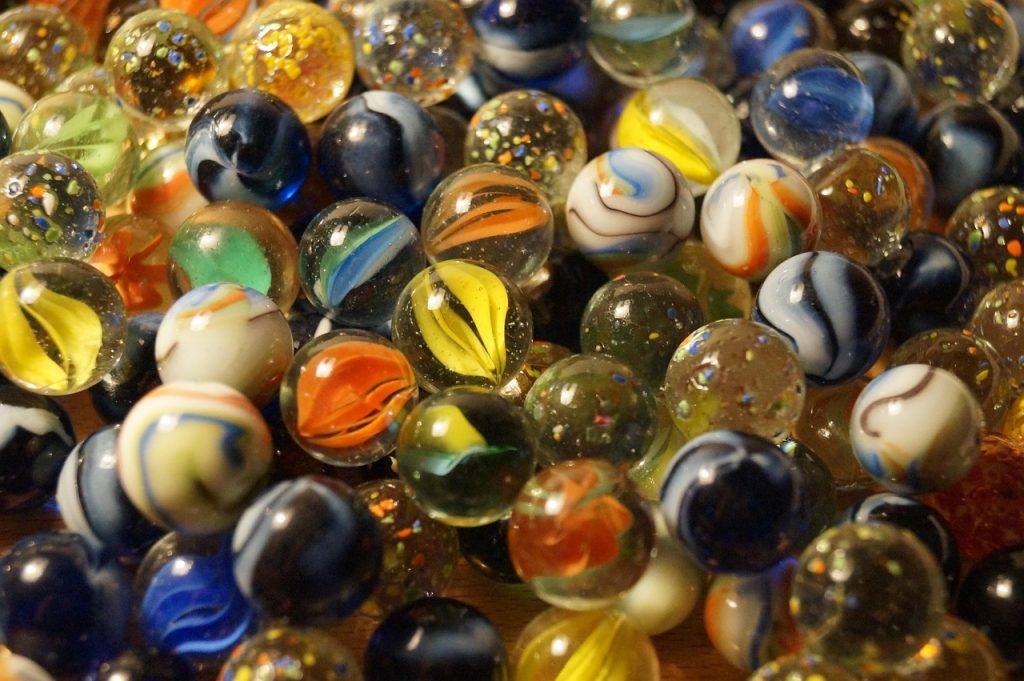
Marbles have long been cherished for their play value, collectible status, and artistic beauty. Among the many types of marbles, mica marbles stand out for their unique sparkling appearance and historical significance. Characterized by the presence of mica flakes embedded in the glass, these marbles catch the light in captivating ways, making them both toys and miniature works of art. This guide explores the history, characteristics, variations, and collecting appeal of mica marbles.
1. Origins and History
Mica marbles emerged during the late 19th and early 20th centuries, a period when glass marble production was flourishing in Europe and the United States. These marbles were produced during the golden age of handmade glass marbles, roughly 1890 to 1930, a time when artisans experimented with innovative glassmaking techniques.
- European Origins: Some of the earliest mica marbles were crafted in Germany, where glassmakers had long experimented with adding metallic flakes and sparkles to glass objects. The German glass industry, particularly in regions like Thuringia and Lauscha, was renowned for precision and decorative flair.
- American Production: By the early 20th century, American marble makers, such as those in Ohio and Pennsylvania, adopted mica techniques to produce sparkling marbles for both children and collectors. Companies like Peltier Glass and Christensen & Sons contributed significantly to the popularity of mica marbles in the United States.
Mica marbles were especially popular because they stood out among plain glass or swirled marbles. The addition of mica flakes created a sparkling, shimmering effect, capturing sunlight and creating an almost magical appearance in play.
2. What Are Mica Marbles?
Mica marbles are glass marbles with embedded mica flakes, a silicate mineral known for its reflective, shiny properties. The mica flakes within the marble catch and reflect light, producing a sparkling effect that can range from subtle shimmer to dazzling brilliance depending on the density and size of the flakes.
Key Characteristics:
- Shimmering Appearance: The mica gives the marble a glittery, metallic sheen.
- Varied Colors: Mica marbles may be clear, colored, or swirled, with mica flakes layered in multiple colors.
- Handmade Variations: Older mica marbles often feature irregularities such as uneven flake distribution or slight asymmetry, adding to their charm.
- Size Range: Typical diameters range from ½ inch to 1 inch, but some specialty or collector marbles can be larger.
3. Production Techniques
The process of making mica marbles combines traditional handmade glass techniques with artistic experimentation:
- Glass Selection: Artisans choose a base glass, either clear or colored.
- Mica Incorporation: Small flakes of mica are carefully mixed into the molten glass.
- Shaping: The glass is hand-rolled or molded into a sphere.
- Cooling and Polishing: After cooling, the marbles are polished to enhance the reflective quality of the mica flakes.
The careful layering of mica and glass allows for depth and dimension within the marble, creating effects that appear almost three-dimensional when light passes through.
Note: Machine-made mica marbles exist today, but vintage handmade pieces remain highly prized for their uniqueness and irregularities that add to their aesthetic appeal.
4. Types and Variations
Mica marbles can be categorized based on several features:
By Base Glass Color
- Clear Base: The mica shines prominently against the transparent backdrop.
- Colored Base: Colors like blue, green, or amber are common, with mica flakes adding sparkle.
- Swirled Glass: Some mica marbles feature swirls of multiple colors combined with mica flakes for a more intricate effect.
By Mica Flake Appearance
- Fine Dust Flakes: Creates a subtle, glittering shimmer.
- Chunky Flakes: Produces a more pronounced sparkle, almost like miniature metallic stars.
- Layered Flakes: Alternating mica colors for depth and visual complexity.
By Manufacturing Style
- Handmade Vintage: Irregularities and unique shimmer patterns define these pieces.
- Machine-Made Modern: Uniform and consistent, often produced for novelty or decorative purposes.
5. Collecting Mica Marbles
Mica marbles are highly collectible due to their beauty, rarity, and historical significance. Collectors often consider the following factors:
Age and Origin
- Early 20th-century marbles, particularly those made in Germany or the United States, are most valuable.
- Handmade marbles generally command higher prices than machine-made replicas.
Condition
- Chips, cracks, or clouding reduce value.
- Clear, unblemished marbles with bright mica sparkle are the most sought after.
Size and Rarity
- Larger marbles or those with unusual mica patterns are often more collectible.
- Some rare pieces feature mica combined with other techniques, such as agate swirls or metallic luster, increasing desirability.
Market Trends
- Vintage mica marbles can fetch anywhere from $20 to several hundred dollars per piece, depending on rarity and condition.
- Collectors often seek specific sets or unusual combinations of base glass and mica patterns.
6. Playing with Mica Marbles
While mica marbles are often considered collectibles, they were originally designed for play. Their glittering appearance makes them visually appealing in games, such as:
- Traditional Marble Games: Including “Ringer” or “Keepsies.”
- Decorative Displays: They can be placed in jars, bowls, or shadow boxes to showcase their sparkle.
- Art and Craft Projects: Mica marbles are sometimes used in jewelry, mosaics, or decorative glass art.
Tip: Due to their collectible status, many modern owners avoid rough play with vintage mica marbles to preserve their condition.
7. Distinguishing Mica Marbles from Similar Types
Mica marbles are sometimes confused with other decorative or metallic-effect marbles:
| Feature | Mica Marbles | Latticino Marbles | Swirl Marbles |
|---|---|---|---|
| Sparkle | Sparkling mica flakes | Fine internal glass threads | Smooth colored swirls |
| Texture | May have subtle unevenness | Smooth | Smooth |
| Appearance | Metallic shimmer | Glass thread patterns | Colorful swirls, no metallic shine |
| Era | Late 19th – early 20th century | 19th century | 19th century onward |
Recognizing mica marbles involves looking for the reflective mineral flakes suspended within the glass, which distinguishes them from other patterned marbles.
8. Preservation and Care
To maintain the beauty and value of mica marbles:
- Avoid Dropping or Impact: Chips and cracks diminish both aesthetics and value.
- Keep Away from Harsh Chemicals: Clean gently with a soft cloth and mild soap if needed.
- Display Carefully: Consider using glass jars, display cases, or shadow boxes to prevent dust accumulation.
- Avoid Direct Sunlight for Extended Periods: Some colors may fade over time with prolonged exposure.
Proper care ensures that the shimmer of the mica flakes remains vivid for decades.
9. Modern Appreciation
Today, mica marbles are appreciated not only as toys but also as collectible art objects. They have inspired:
- Replica and Modern Versions: Glassmakers produce modern mica marbles for collectors and decorative purposes.
- Museum Exhibits: Vintage mica marbles are displayed in toy and glass collections worldwide.
- Digital and Social Enthusiasm: Online communities celebrate vintage marbles, sharing photographs that highlight their shimmering beauty.
Collectors and enthusiasts often emphasize the tactile and visual satisfaction of mica marbles, noting that no two marbles are ever exactly alike, making each piece a miniature treasure.
10. Conclusion
Mica marbles occupy a unique niche in the world of collectibles. Their combination of shimmering mica flakes, colorful glass, and historical craftsmanship makes them a compelling object of study, play, and admiration. Whether appreciated for their aesthetic appeal, their historical value, or the joy of play, mica marbles continue to captivate enthusiasts worldwide.
From European artisans of the early 20th century to modern collectors, these marbles are enduring symbols of the beauty and artistry possible in a tiny, perfectly spherical form. Understanding the intricacies of mica marbles—their origins, production, and collectible qualities—allows enthusiasts to fully appreciate why these sparkling treasures remain sought after over a century later.