
Marbles are more than toys—they are miniature works of art, collectible artifacts, and pieces of history. Among collectors, one of the most debated topics is polishing marbles. Should you polish a marble to restore its shine, or is it better to leave it in its natural, aged state? This debate has strong opinions on both sides and touches on value, aesthetics, and preservation.
What Is Marble Polishing?
Polishing a marble typically involves gently grinding or buffing the surface to remove scratches, chips, and cloudiness. Some collectors use fine abrasives or polishing compounds, often applied with soft cloths, pads, or rotary tools. The goal is to restore the marble’s original shine or to smooth rough surfaces caused by wear over time.
While polishing can make a marble look nearly new, it permanently alters the surface. This is where the controversy begins: some collectors believe polishing destroys the historical integrity of a marble, while others argue it enhances beauty and display value.
Why Some Collectors Advocate Polishing
Proponents of polishing marbles often cite several reasons:
Restoring Aesthetic Appeal
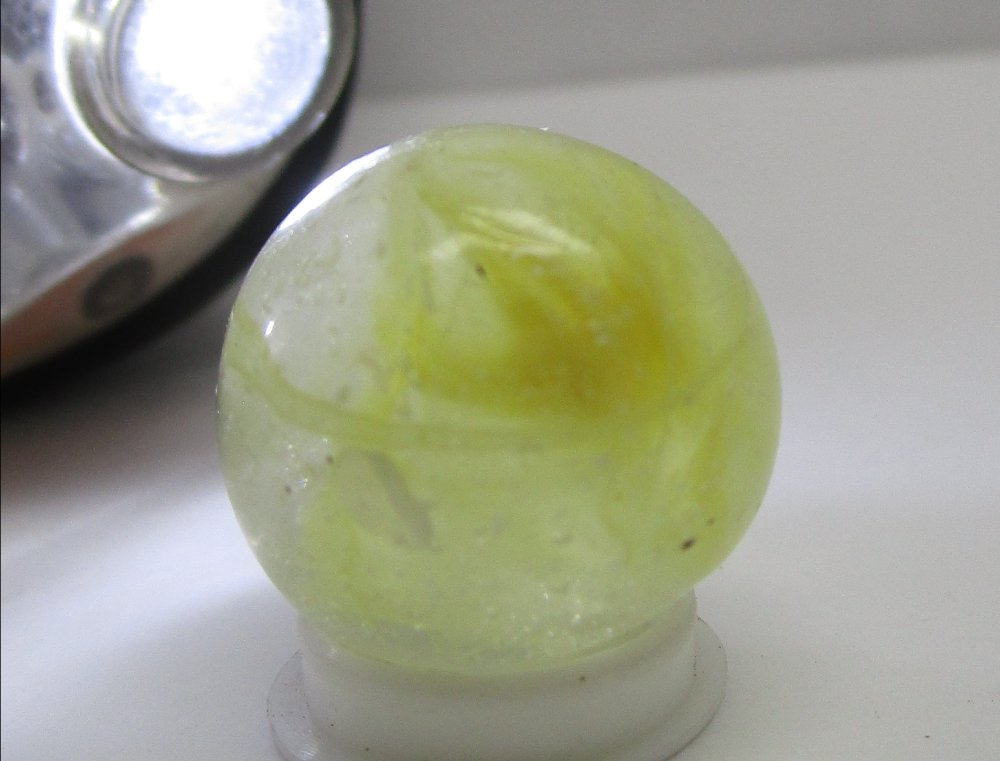
Many antique marbles have lost their luster due to decades of handling, environmental exposure, or dust accumulation. Polishing can bring out the colors and patterns, making features like swirls, flames, and cat’s-eyes more vibrant. For Akro Agate marbles, Christensen Agate, or Peltier National Line marbles, polishing can reveal hidden brilliance that may otherwise remain muted.
Enhancing Value for Display
Marbles that are highly polished often stand out more in display cases or collections. For collectors who prize visual impact, polishing can make a piece more attractive, particularly when exhibiting or photographing their collection.
Smoothening Minor Flaws
Polishing can remove minor surface scratches or rough patches, making marbles safer to handle and less prone to chipping during display or play. Some enthusiasts argue that lightly polished marbles maintain their collectible integrity while offering improved durability.
Recovering Obscured Features
For machine-made marbles, such as early M.F. Christensen marbles or Akro corkscrew designs, polishing can help reveal faint patterns or subtle color details obscured by grime or oxidation. This can assist in proper identification and evaluation.
Why Many Collectors Oppose Polishing
Opponents of marble polishing are equally passionate, and their reasons focus primarily on authenticity and historical preservation:
Loss of Historical Integrity
Many collectors treat marbles as historical artifacts. Polishing removes original surface features, including wear marks, machine seams, and pontil marks. These characteristics are part of a marble’s story, showing how it was made and how it has been used. Removing them can reduce a marble’s historical value.
Reduction in Collector Value
For antique marbles, particularly rare Christensen Agate flame marbles or early handmade examples, unpolished wear is often more desirable. Collectors pay premiums for untouched pieces that retain their original patina. Polishing can unintentionally lower value by altering the marble’s natural state.
Risk of Damage
Polishing is not risk-free. Overzealous or improper polishing can scratch, crack, or warp a marble. Even minor mistakes can transform a valuable collectible into a less desirable item. Many argue that the risks outweigh the potential benefits.
Aesthetic Philosophy
Some enthusiasts prefer the “aged look,” seeing wear and natural patina as part of a marble’s charm. A slightly dulled surface can indicate authenticity and history, adding character that a polished marble may lack.
When Polishing Might Be Appropriate
While the debate is heated, there are situations where polishing is more widely accepted:
Play Marbles or Common Collectibles: For marbles intended for play or display that are not historically rare, polishing can restore beauty without impacting significant value.
Minor Restoration: Gentle polishing to remove dirt or superficial scratches can sometimes enhance a marble’s appearance without compromising its historical integrity.
Professional Restoration: When handled by experts familiar with antique marbles, controlled polishing may be applied selectively to preserve overall value while improving aesthetics.
Techniques and Considerations
Collectors who choose to polish marbles generally use caution and subtle methods:
Micro-Abrasives: Fine polishing compounds such as jeweler’s rouge or cerium oxide are used sparingly.
Manual Buffing: Hand-polishing with soft cloths allows greater control and minimizes the risk of overdoing it.
Avoiding Water Damage: Some antique marbles have layers or inclusions sensitive to moisture. Careful, dry polishing helps prevent damage.
Testing on Low-Value Marbles: Many hobbyists recommend practicing on less valuable marbles before attempting to polish rare or antique pieces.
Community Opinions
Marble collectors’ forums and communities are divided. Some experienced collectors post “before and after” photos of polished marbles, showing dramatic improvements in color and clarity. Others strongly discourage polishing, emphasizing that even minor changes can irreversibly affect value.
Many collectors adopt a compromise: leaving extremely rare or historical marbles untouched while polishing mid-range or modern pieces intended for display. This approach balances aesthetics with preservation.
The Role of Polishing in Modern Collecting
Polishing remains a niche but significant topic in marble collecting. In recent years, debates have intensified as more rare antique marbles have come to market. Auction houses and high-end collectors often insist on untouched marbles, while casual enthusiasts may prioritize visual appeal and personal enjoyment.
The debate also intersects with broader preservation discussions in collectibles: coins, stamps, and antiques all face similar questions regarding cleaning or restoration versus maintaining natural aging. Marbles, as a tactile and colorful collectible, present unique challenges because polishing alters both surface and optical properties.
Conclusion
The debate over polishing marbles is not likely to be settled any time soon. On one side, polishing can restore color, reveal hidden patterns, and enhance display value. On the other, it risks reducing historical authenticity, collector value, and originality.
For serious collectors, the best approach is often selective: leaving rare and antique marbles in their natural state while gently polishing modern or common pieces intended for display. Understanding both sides of the debate ensures collectors can make informed decisions that respect the history, artistry, and value of each marble.
In the end, whether you polish your marbles or leave them untouched, the goal is the same: to appreciate their beauty, craftsmanship, and the stories they carry—one tiny, vibrant sphere at a time.

Shopping Basket