Marbles are more than simple toys—they are collectible items, miniature works of art, and historical artifacts. With centuries of production across multiple countries, marble identification can be both rewarding and challenging. From vintage handmade marbles to modern machine-made and specialty designs, understanding the subtleties of marble types is key for collectors and hobbyists. Today, technology has added a new dimension to identification, with apps and digital resources helping enthusiasts catalog, identify, and value marbles more accurately. This guide explores practical tips for identifying marbles and highlights the apps and online tools that make the process easier.
1. Understanding the Basics of Marble Identification
Before leveraging apps or digital resources, it’s essential to grasp the foundational aspects of marble identification:
A. Materials
Marbles are commonly made from glass, stone, clay, or plastic.
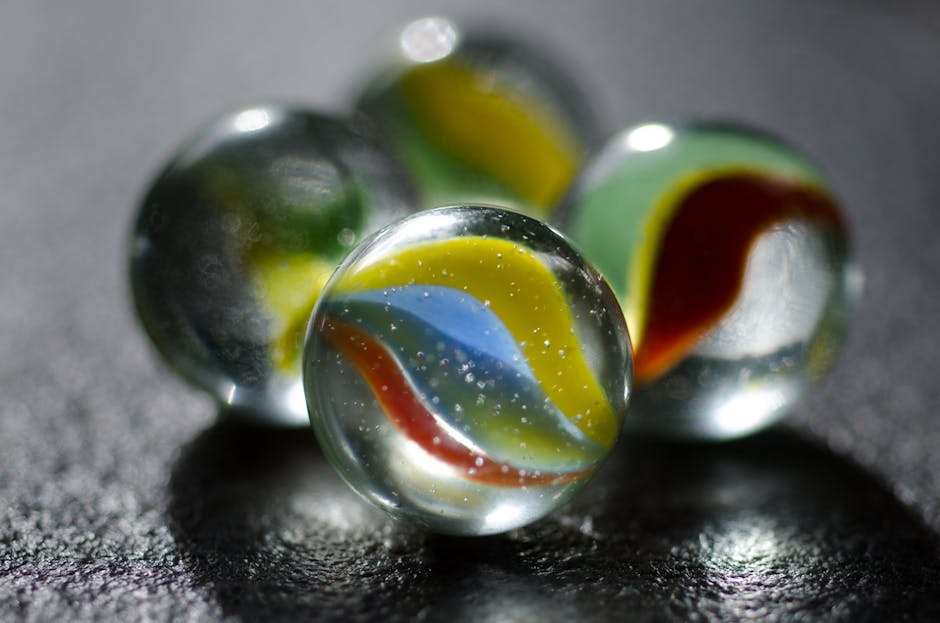
- Glass Marbles: Can be handmade or machine-made; may contain swirls, mica flakes, or embedded figures.
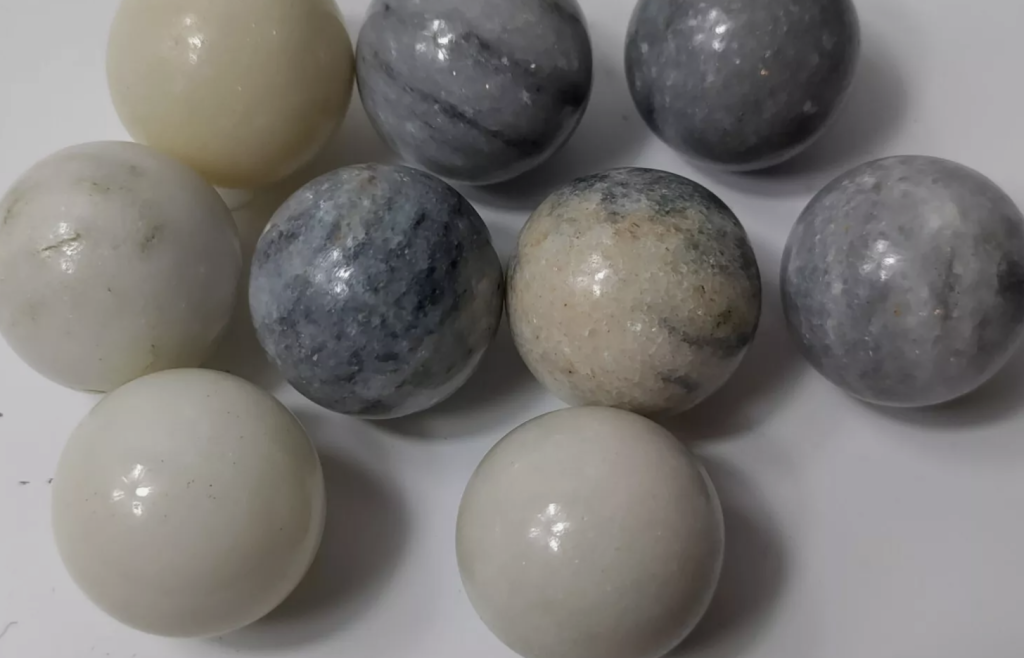
- Stone Marbles: Usually agate or alabaster, heavier and opaque.
- Clay Marbles: Often simple, solid-colored, and heavier than glass.
- Plastic Marbles: Modern reproductions or novelty toys, lighter and more uniform.
B. Patterns
Patterns are key to classification:
- Cat’s Eye: A rod of colored glass embedded in a clear sphere.
- Swirls: Two or more colors blended in flowing patterns.
- Latticino: Twisted threads of glass inside clear or colored glass.
- Mica: Shimmering mineral flakes suspended in glass.
- Sulphide: Miniature figures embedded inside a clear glass sphere.
C. Size and Shape
- Handmade marbles may be slightly irregular in shape.
- Machine-made marbles are almost perfectly spherical.
- Sizes typically range from ½ inch to 1 inch, but specialty marbles can be larger.
D. Age and Wear
- Vintage marbles often show minor chips, scratches, or slight fading.
- Pontil marks (small scars where glass rods were broken) are indicative of handmade marbles.
2. Practical Tips for Marble Identification
Identifying marbles requires careful observation and research. Here are key tips:
A. Inspect Closely
- Use a magnifying glass or jeweler’s loupe to examine patterns and embedded elements.
- Check for air bubbles, irregularities, and pontil marks, which can indicate age and craftsmanship.
B. Compare with Reference Guides
- Physical books like The Complete Book of Marbles or Marbles: Identification & Price Guide provide high-quality images and detailed descriptions.
- Compare colors, patterns, and sizes to known examples.
C. Assess Weight and Material
- Hold the marble to judge its density.
- Glass marbles are heavier than plastic; stone marbles are even heavier and more solid.
D. Examine Patterns Under Light
- Shine a light through translucent or clear marbles to view internal structures.
- Mica marbles sparkle differently than cat’s eye or swirl marbles.
E. Record Your Observations
- Keep a notebook or digital spreadsheet with details about size, pattern, color, origin (if known), and condition.
- Photograph each marble from multiple angles.
F. Join Collector Communities
- Online forums and social media groups often have experienced collectors who can help identify rare or unusual pieces.
- Communities may also share pricing, provenance information, and restoration advice.
3. Apps for Marble Identification and Cataloging
Modern technology has made marble identification and cataloging much easier. Several apps and digital tools help collectors organize their collections, identify patterns, and even estimate value.
A. General Collectible Apps
While not specific to marbles, these apps allow for organization and image recognition:
- Collector Z
- Lets users catalog items with images, descriptions, and purchase data.
- Good for keeping track of marble collections and details like manufacturer or year.
- Sortly
- Visual inventory tool that supports QR codes and tags.
- Useful for cataloging marbles by type, size, and value.
- MyStuff2 Pro
- Allows collectors to create detailed databases with photos, notes, and categories.
B. Photography and Recognition Apps
Apps that help identify marbles by visual analysis:
- Google Lens
- Take a photo of a marble, and the app searches the web for visually similar items.
- Can help identify patterns like swirls, cat’s eye, or sulphide figures.
- CamFind
- Visual search app that identifies objects from images.
- Works best for modern or commonly seen marble designs.
C. Marble-Specific Community Apps
Some digital platforms focus specifically on marbles:
- Marble Collector Database (Web/Forum-based)
- User-submitted photos and classifications of antique and vintage marbles.
- Search by pattern, color, or manufacturer.
- Marble Mania Online Communities
- Forums with user-uploaded galleries for comparison.
- Members provide feedback on authenticity and rarity.
D. Digital Price Guides
- Websites like Marbles: Identification & Price Guide Online allow collectors to reference historical pricing trends and current market values.
- Useful for estimating the value of rare vintage pieces or verifying collectible status.
4. Using Apps Effectively
A. Take High-Quality Photos
- Ensure good lighting to capture patterns and textures.
- Photograph multiple angles, including side and top views.
- Use macro mode for intricate details like mica flakes or sulphide figures.
B. Organize Digital Notes
- Assign each marble a unique ID or tag.
- Record details such as size, pattern type, color scheme, and estimated age.
- Include source information (where and when acquired).
C. Cross-Reference
- Compare the marble with multiple resources before final identification.
- Look at reference guides, app databases, and forum discussions to verify accuracy.
D. Track Market Value
- Use online auction records and collectible databases to monitor price trends.
- Apps can store past sales history to help determine which marbles are investment-grade versus decorative or play-grade.
5. Challenges in Using Apps
While apps and digital tools are helpful, there are limitations:
- Rare or Vintage Marbles: Some antique marbles may not appear in databases. Community input is essential for verification.
- Modern Reproductions: New plastic or glass marbles can mimic vintage designs, making visual identification alone unreliable.
- Lighting and Photography: Poor images may lead to misidentification; consistent, well-lit photos are crucial.
- Subjectivity in Patterns: Descriptions like “swirl” or “agate” can vary between collectors, so corroboration is recommended.
6. Combining Traditional and Digital Methods
The most effective approach combines traditional observation skills with digital tools:
- Start with visual inspection: check for patterns, colors, and pontil marks.
- Use photography and apps like Google Lens for quick comparisons.
- Consult reference books and collector communities for verification.
- Record and catalog each marble digitally for long-term tracking.
- Reassess over time as new information or databases become available.
This hybrid method ensures accuracy while taking advantage of modern technology for convenience and efficiency.
7. Additional Tips for Serious Collectors
- Attend Marble Shows: Inspect marbles in person and compare with your collection.
- Use Magnification Tools: Jeweler’s loupes and macro lenses reveal subtle patterns.
- Maintain a Collection Archive: Include notes, historical references, and high-resolution images.
- Keep Marbles in Proper Storage: Separate by type, size, or pattern to prevent damage and ease identification.
8. Conclusion
Identifying marbles requires a mix of knowledge, observation, and technology. Traditional tips—examining patterns, colors, and materials—remain fundamental. Today, apps, online databases, and visual recognition tools supplement these methods, making it easier for collectors to classify and catalog their marbles. Combining both approaches allows enthusiasts to appreciate marbles not only as toys but also as historical artifacts and collectible art pieces.
Whether you are a casual collector, a hobbyist, or an advanced enthusiast, mastering marble identification can enhance your enjoyment, ensure proper valuation, and preserve the legacy of these miniature treasures. With the right mix of observation skills, reference materials, and digital tools, every marble in your collection can be accurately identified, documented, and treasured for years to come.