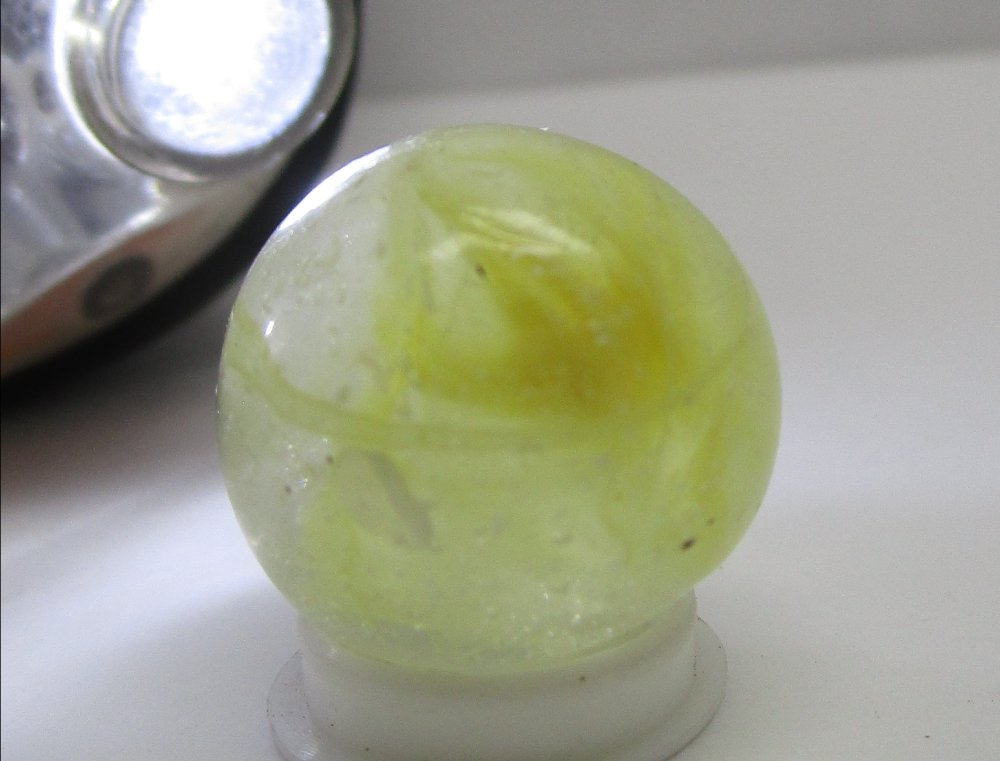

Finding quality vintage marbles at fair prices requires knowing where serious collectors shop and how to evaluate different buying venues. Whether you’re starting your first collection or searching for rare pieces to complete an established one, this guide covers the best sources for purchasing authentic antique and vintage marbles in 2026.
Should I Buy Vintage Marbles Online or In Person?
Both online and in-person shopping offer advantages for marble collectors. Online purchasing provides access to inventory from dealers nationwide, convenient browsing from home, detailed photographs for inspection, and competitive pricing due to broader market exposure. In-person shopping allows hands-on inspection before purchase, immediate acquisition without shipping risks, relationship building with local dealers, and the social experience of shows and shops.
Most successful collectors use a combination approach—building relationships with trusted online dealers for common purchases while reserving in-person inspection for high-value acquisitions over $500.
What Are the Best Online Platforms for Buying Vintage Marbles?
eBay:
eBay remains the largest marketplace for vintage marbles, with hundreds of active listings at any given time. The platform offers vast selection across all price points, auction format allowing potential bargains, and buyer protection through eBay’s money-back guarantee.
However, eBay requires careful navigation. Quality varies dramatically between sellers, descriptions may be inaccurate or misleading, and reproduction marbles appear regularly among listings. Successful eBay buying requires developing expertise to spot authenticity issues from photographs alone.
When buying on eBay, examine seller ratings and feedback specifically for marble sales, request additional photographs from multiple angles under different lighting, ask about pontil marks and specific measurements, and use search terms like “estate” or “collection” to find unknowledgeable sellers who may underprice items.
Specialized Marble Dealer Websites:
Dedicated marble dealers offer curated inventory with expert authentication and detailed descriptions. These dealers typically guarantee authenticity and accept returns. Prices run higher than auction sites, but you’re paying for expertise and peace of mind.
Reputable online marble dealers include Block’s Marble Auctions, Marble Collector’s Corner, and Morphy Auctions (for high-end pieces). These established dealers stake their reputations on accurate descriptions and authentic merchandise.
Facebook Marketplace and Groups:
Facebook hosts several active marble collecting groups where members buy, sell, and trade. Groups like “Marble Collectors Worldwide” and “Vintage Marble Identification and Sales” connect you directly with fellow collectors.
These groups offer community expertise for authentication questions, often below-market prices from collectors selling duplicates, and opportunities to build relationships within the collecting community. However, transactions lack formal buyer protection, requiring trust between parties.
Etsy:
Etsy features numerous vintage toy and antique dealers offering marbles. The platform works well for finding decorative lots and common vintage marbles priced under $50. For rare or expensive pieces, specialized dealers offer better expertise and authentication.
Where Can I Buy Vintage Marbles In Person?
Marble Shows and Conventions:
Marble shows provide the best in-person buying experience for serious collectors. The annual International Marble and Related Collectibles Show (IMARCS) draws dealers and collectors from across North America, while regional shows occur throughout the year in marble-collecting hotspots.
Marble shows offer opportunities to examine hundreds or thousands of marbles in person, compare prices across multiple dealers, get expert opinions on authentication and value, and network with experienced collectors who share knowledge generously.
Major marble shows for 2026 include the National Marble Show in Indianapolis (June), the Great Lakes Marble Show in Michigan (August), and various regional shows throughout the year. Check the Marble Collectors Society of America website for current schedules.
At shows, bring a jeweler’s loupe for detailed inspection, take your time examining pieces before purchasing, ask dealers about their return policies, and don’t hesitate to negotiate prices, especially for multiple-marble purchases.
Antique Shops and Malls:
General antique dealers occasionally acquire marble collections, though expertise varies widely. Antique malls with multiple vendors can yield discoveries, particularly when dealers unknowledgeable about marbles price pieces incorrectly.
The advantage of antique shops is the potential to find underpriced treasures from dealers who don’t specialize in marbles. The disadvantage is the same—lack of expertise means you must authenticate pieces yourself. This approach works best for experienced collectors who can quickly identify valuable marbles and spot reproductions.
Productive antique shopping areas for marbles include central Pennsylvania, Ohio, Michigan, and New England states where marble manufacturing occurred and collections remain in regional circulation.
Estate Sales and Auctions:
Estate sales can yield exceptional finds, particularly when the deceased was a collector or when clearing homes in areas where marble collecting was popular generations ago. Online estate sale platforms like EstateSales.net allow you to search for sales listing toys, antiques, or specifically marbles.
Arrive early at estate sales, as marble collectors often line up before opening. Bring cash for negotiating. Examine marbles carefully, as estate sale companies rarely have marble expertise and may misprice pieces in either direction.
Traditional auction houses occasionally feature marble collections. Major auction houses like Morphy’s and Block’s regularly hold marble-specific auctions with catalog descriptions and condition reports. These provide opportunities for rare pieces but typically draw competitive bidding that pushes prices to full market value.
How Much Should I Budget for Vintage Marbles?
Your budget determines which purchasing venues make most sense and what you can expect to acquire:
Budget: Under $100
This entry-level budget buys common vintage machine-made marbles in lots, single German handmade marbles in good condition, or decorative antique marbles with condition issues. eBay, Etsy, and antique shops work well at this price point.
Budget: $100-$500
This intermediate budget accesses better handmade German marbles, premium American machine-made marbles from desirable manufacturers, or small Lutz and sulphide examples. All purchasing venues remain viable options, though specialized dealers become more valuable for authentication.
Budget: $500-$2,000
This serious collector budget allows acquisition of quality Lutz marbles, exceptional sulphides, rare American machine-made types, or superior handmade German marbles. At this level, buying from reputable dealers or at marble shows provides important authentication and condition guarantees.
Budget: Over $2,000
This advanced collector budget targets museum-quality pieces, rare color combinations, exceptional examples, or marbles with documented provenance. Purchase these primarily from established dealers or major auctions where authenticity is guaranteed and return policies protect your investment.
What Questions Should I Ask Before Buying?
Whether buying online or in person, ask these essential questions:
Is the seller willing to guarantee authenticity with a return policy if the marble proves to be a reproduction? Can the seller provide detailed measurements, as size significantly affects value? What is the exact condition grade, and are there chips, cracks, or other damage not visible in photos?
For handmade marbles, ask specifically about the pontil mark—is it present and what type (rough or smooth)? For machine-made marbles, ask about the manufacturer if known. Request additional photographs under different lighting conditions to fully assess color and condition.
Should I Buy Individual Marbles or Collections?
Individual marble purchases allow you to select specific pieces for your collection, avoiding duplicates or unwanted items. You’ll pay per-marble prices that reflect true market value for desired pieces.
Collection purchases sometimes offer value opportunities when someone is liquidating an entire collection. You might acquire rare pieces below individual market prices, though you’ll also receive common marbles you don’t need. Collections work well when you’re starting out and need variety, or when the collection contains multiple pieces you want.
How Can I Verify Authenticity When Buying Remotely?
Remote purchases require careful verification through photographs and seller communication. Request images showing the pontil mark (for handmade marbles) or cutoff lines (for machine-made). Ask for photographs under both natural and artificial lighting to assess color accuracy.
Compare photos to authenticated examples in reference books or online databases. Join marble collecting forums and ask members to review photos before purchasing expensive pieces. Trusted community members often provide authentication help free of charge.
Insist on secure payment methods that offer buyer protection. PayPal Goods and Services, credit cards, and platform payment systems provide recourse if pieces prove inauthentic.
What Red Flags Should I Watch For?
Be cautious of sellers who refuse additional photographs, won’t discuss return policies, use stock images rather than photos of actual marbles being sold, or make grandiose claims about rarity without supporting evidence.
Extremely low prices on supposedly rare marbles often indicate reproductions or condition issues not disclosed in listings. If a deal seems too good to be true, it probably is.
Vague descriptions lacking specific details about size, condition, or type suggest the seller lacks marble knowledge and may be unknowingly (or knowingly) misrepresenting pieces.
How Should I Start Building Buying Relationships?
Long-term collecting success often depends on relationships with knowledgeable dealers and fellow collectors. Start by making smaller purchases to test dealers’ accuracy, honesty, and service. Communicate clearly about your collecting interests so dealers can alert you to relevant acquisitions.
Attend marble shows regularly to build face-to-face relationships. Join the Marble Collectors Society of America to connect with serious collectors nationwide. Participate in online forums by sharing knowledge and helping others, which builds reciprocal goodwill.
The marble collecting community is generally welcoming and supportive. Experienced collectors remember when they were learning and often help newcomers avoid mistakes. Building these relationships provides access to knowledge, opportunities, and sometimes first crack at marbles before they reach open market.
Finding reliable sources for vintage marbles takes time and experience, but understanding where to look and how to evaluate both venues and individual pieces will help you build a collection you’ll treasure for years to come.